Comparing renovation quotes
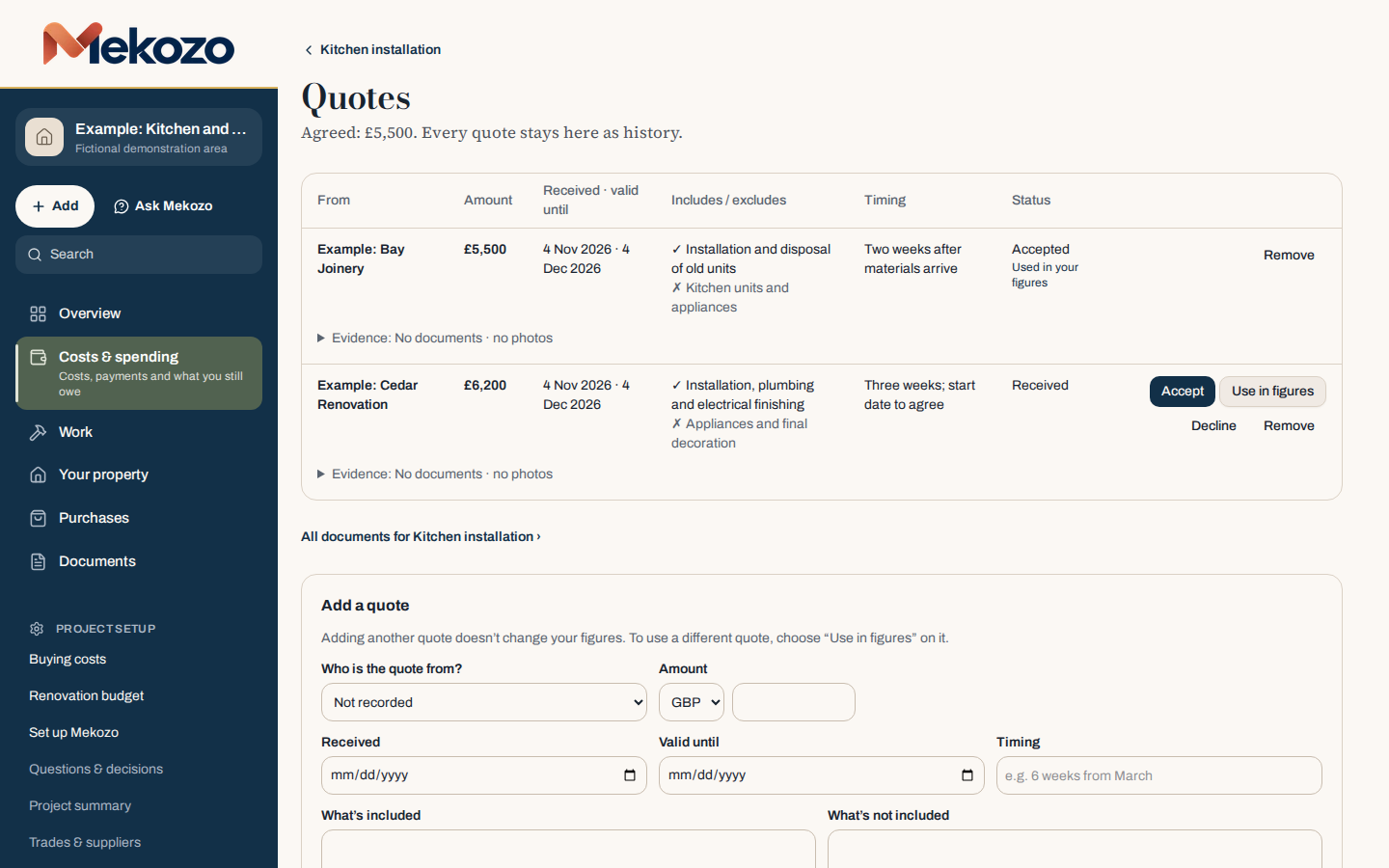
Quote comparison in Mekozo: £5,500 accepted and used in the figures, beside a £6,200 alternative with different inclusions and timing
Open full screenshot

“Where do we start, and what can we afford to finish?”
Bring the essential work, quotes and budget into one plan.
Try Mekozo free30 days free. No card needed.
Planning a renovation is the stage between "we should do something about the kitchen" and the first day on site. It is where the ideas are cheapest to change and the most important decisions are made: what the project needs to achieve, what it will cost, who will do it and in what order.
A new kitchen can mean electrics, plumbing, flooring and weeks without a working room. A bathroom can uncover a floor that needs replacing. Seeing those connected decisions early helps you set a scope you can afford to finish, rather than one you start and then have to cut back halfway through.
The work at this stage moves from broad to specific. You start with a list of rooms and rough ideas, turn it into a written scope, put rough figures against it, then replace those figures with real quotes. By the end you should have a plan that says what will be done, by whom, for how much, and what you will do if something goes wrong.
One of the most common reasons renovations run over is that the scope keeps growing. Before anything else, describe what a finished result means for each room: what stays, what goes, what is new. Separate the essential work from the improvements you would like. A written scope gives you something concrete to discuss with contractors and something to hold on to when the wish list grows.
Start with broad estimates by area, then add detail as you understand the job. Rough figures are fine at first, but do not leave anything out: a job with no figure yet should be marked as not priced, not quietly counted as nothing. Remember the work that sits between rooms, such as rewiring or new heating, and make sure it is counted once, not once per room.
A quote is a scope, not just a number. Two prices for the same job can include very different work, materials and timing. Send every contractor the same written scope, then compare what each quote includes, excludes and assumes before you compare the totals. Ask about payment stages before you accept.
Something unexpected turns up in most renovations, especially in older houses. Decide how much you will hold back for it and what it is there to absorb. Contingency only works if it stays unspent until it is needed, so keep it separate from the money you have already allocated.
If you cannot live in the home while the work happens, rent, storage and travel become part of the project's cost. Even if you stay, a kitchen out of action for weeks has a cost. Put those figures in the plan, not on top of it.
For the rules, GOV.UK explains when building work needs building regulations approval, and Citizens Advice sets out what to check before you get building work done.
Mekozo turns a renovation plan into one set of figures that adds up from what you enter.
For real examples of scope and estimates, see Operation Sicily's renovation deep dives and its renovation materials calculator. Mekozo was built by Jonathan Smith while renovating a villa in Sicily, filmed on Operation Sicily.
To set it up in Mekozo, follow compare quotes on more than price and build a whole-project budget. When the builders arrive, carry on to renovation work underway.
Start with what finished means. List the rooms affected, describe the result you want in each and separate the essential work from the extras. Price the essential work first, then add what you can afford.
Send every builder the same written scope, then compare what each quote includes, excludes and assumes before you compare the totals. A lower quote that leaves work out may cost more in the end.
It depends on the age and condition of the property and how much of the work is still unknown. Decide what the contingency is there to absorb and keep it separate from your planned spending. The contingency guide in the reading list explains how to set the amount.
Mekozo adds up the figures you enter, and its AI can give rough planning figures. Those figures can be wrong and do not replace a builder's quote, so use them to plan and replace them with real quotes as they arrive.
Quote comparison in Mekozo: £5,500 accepted and used in the figures, beside a £6,200 alternative with different inclusions and timing
Open full screenshot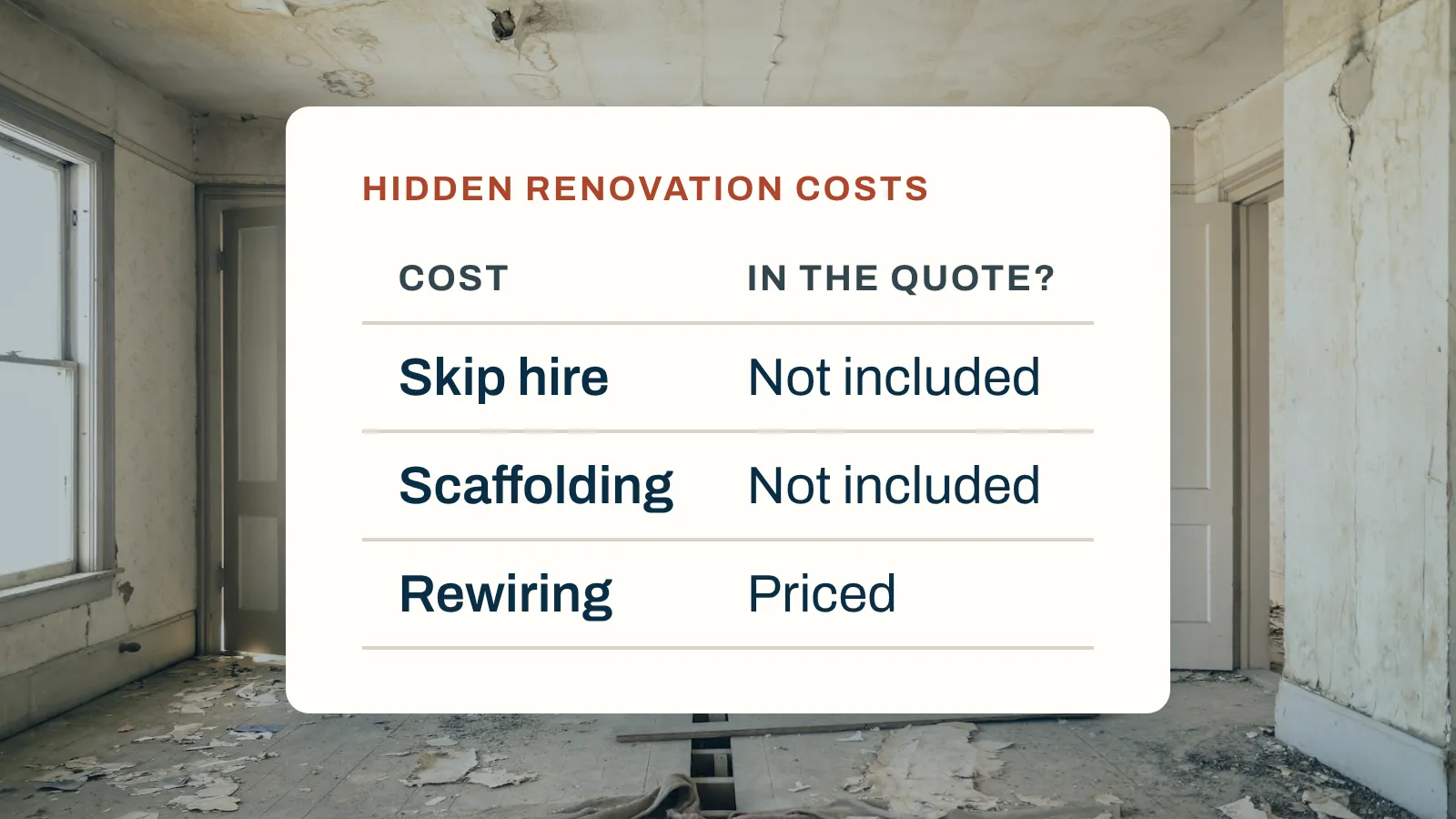
The renovation costs people forget are usually predictable: waste, access, what is behind the walls, fees and VAT. Here are 20 of them with sourced UK ranges, and how to find and track them before they surprise you.
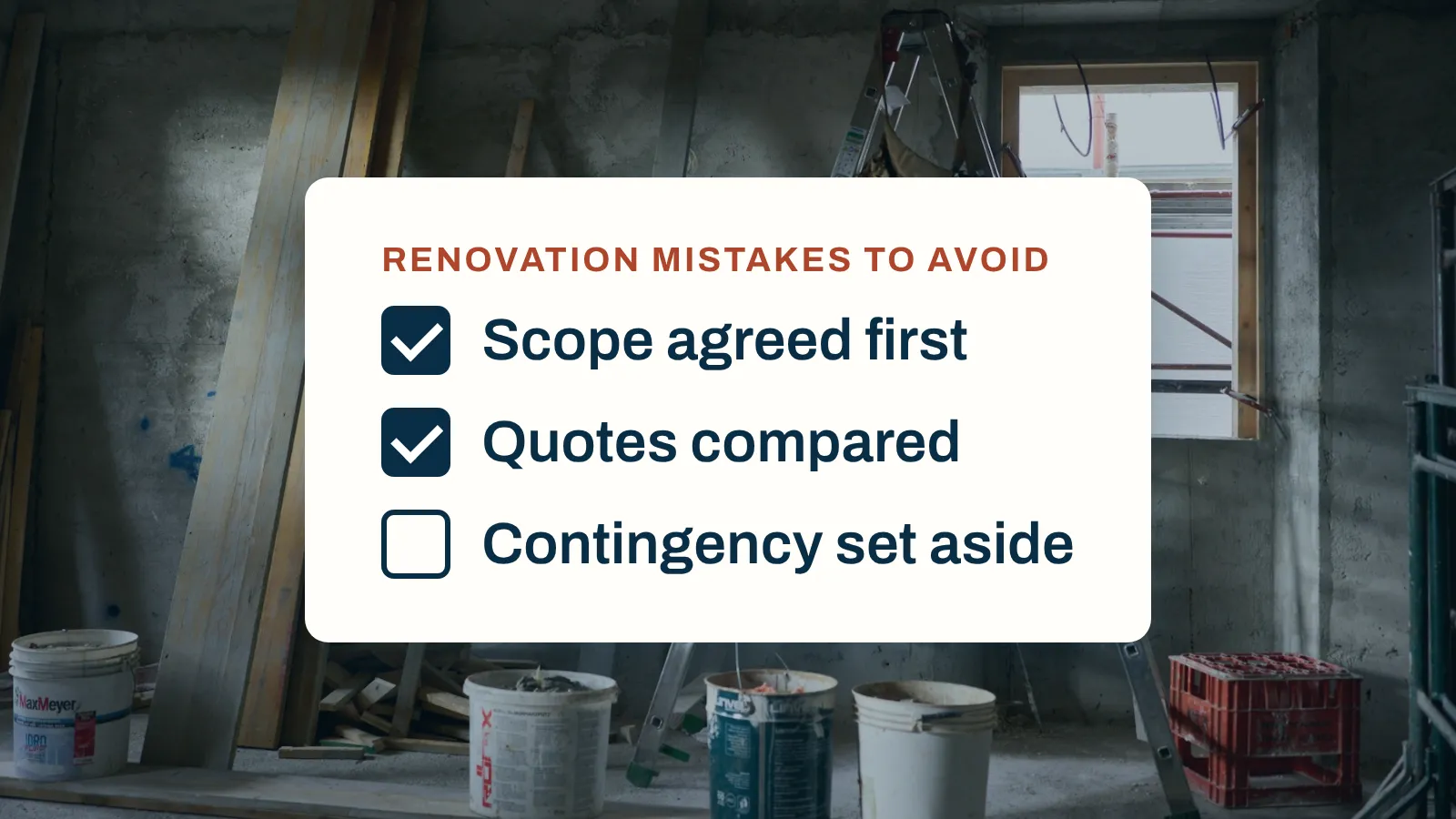
Twelve expensive renovation mistakes, what each one typically costs or causes, and the simple fix for every one, with a checklist to use before work starts.
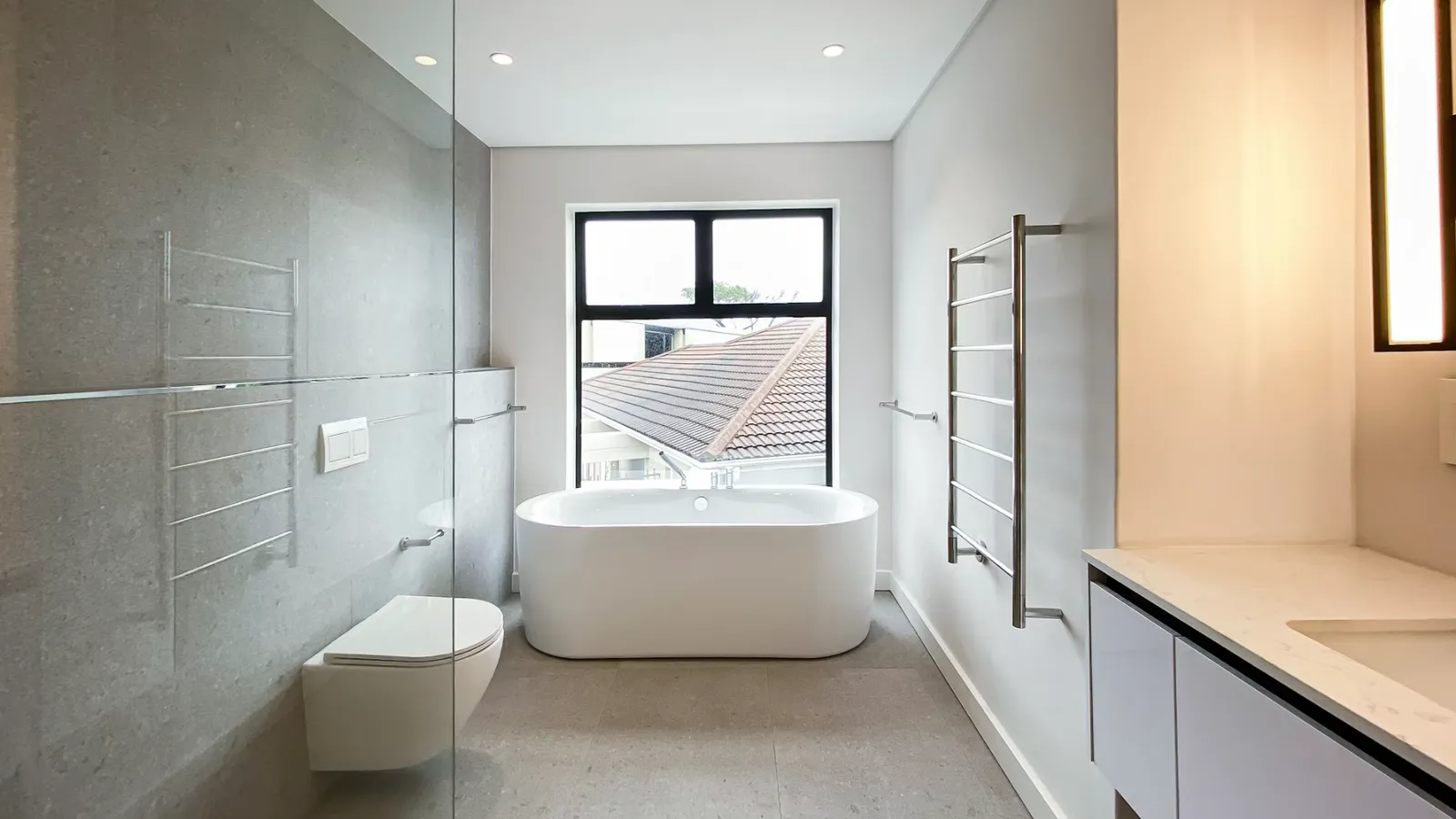
A bathroom budget covers far more than the suite. Here is every line to allow for, the published UK figures and rules behind them, and how to keep the budget honest once the old bathroom comes out.
AI can help you plan a renovation, read a quote, explain a figure and test a what-if. It cannot see your house, price your job reliably or replace a surveyor, builder or registered engineer. How to use it well, and how to check what it tells you.
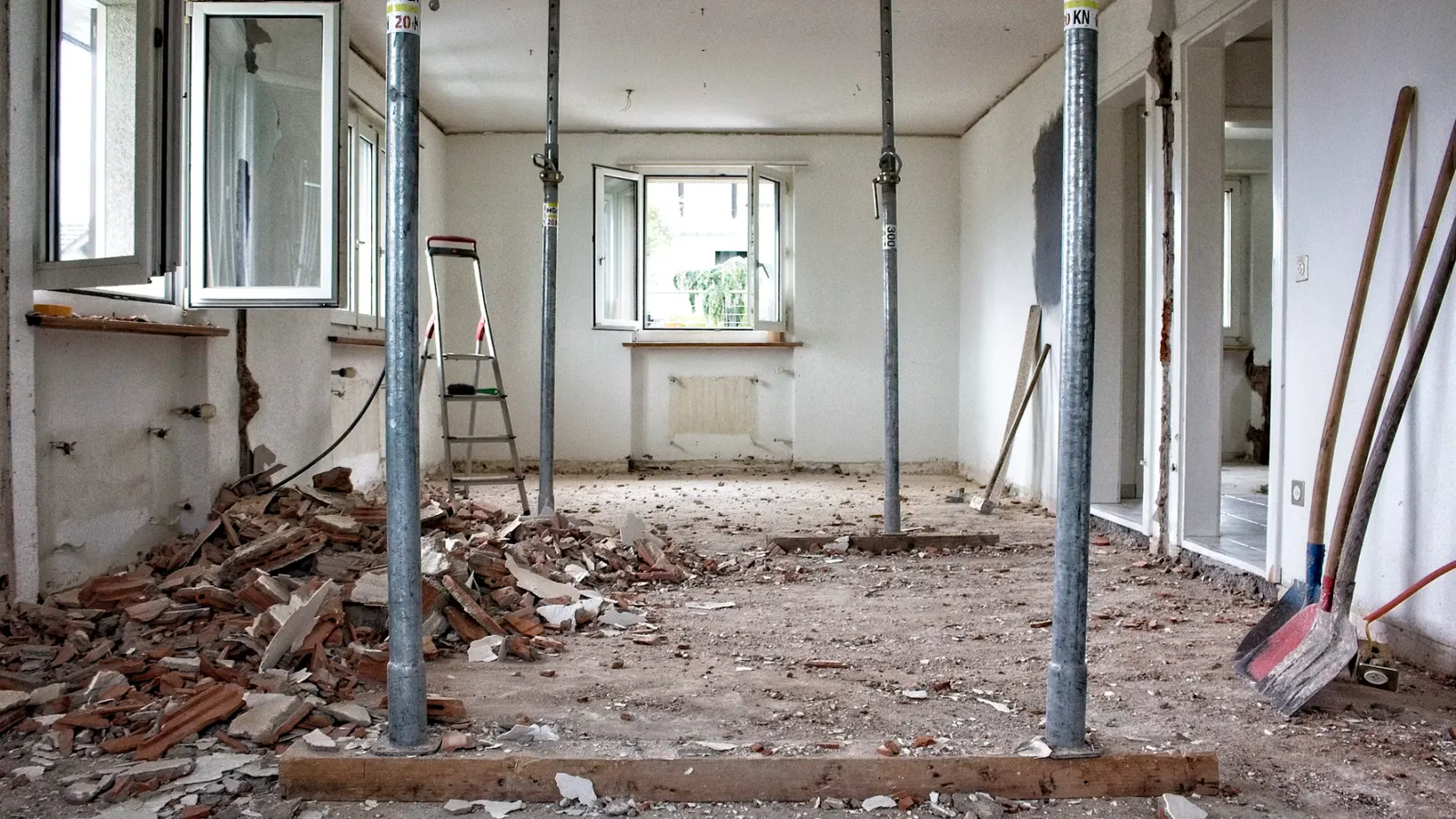
There is no honest single figure for renovating a house. Here is how to build your own estimate from the size, the depth of work and the finish, using named, dated figures for each job.
A bathroom is a small room with a long list of trades in a strict order. The decisions to make before anyone starts, the sequence of work from strip-out to silicone, the checks at each stage and what to collect before the last payment.
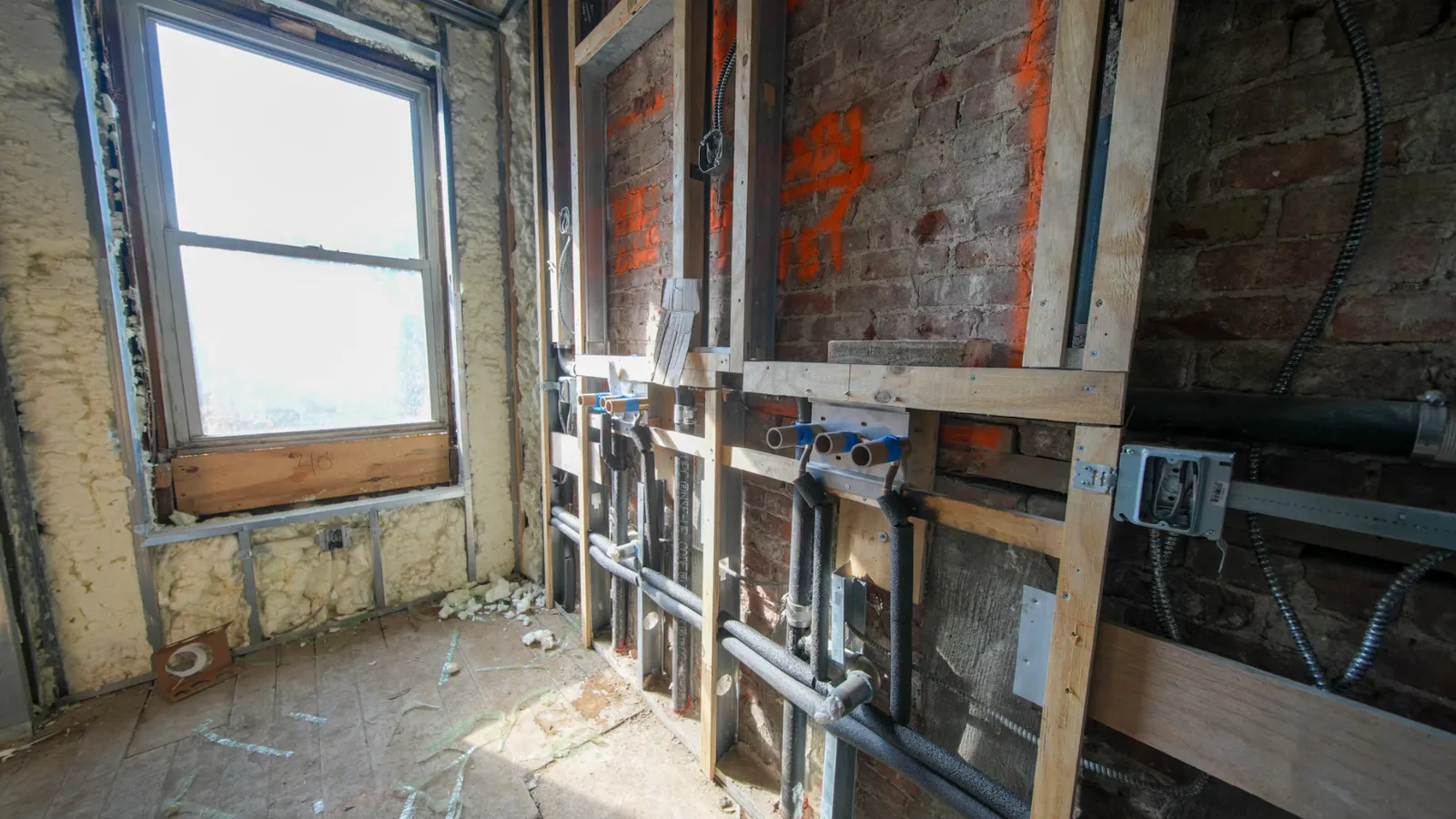
A full rewire is priced by the size of the house, but the bill depends on access, the condition of the walls and what you add. Published figures, the extras to price separately and how to budget the job, including the plastering and decorating afterwards.
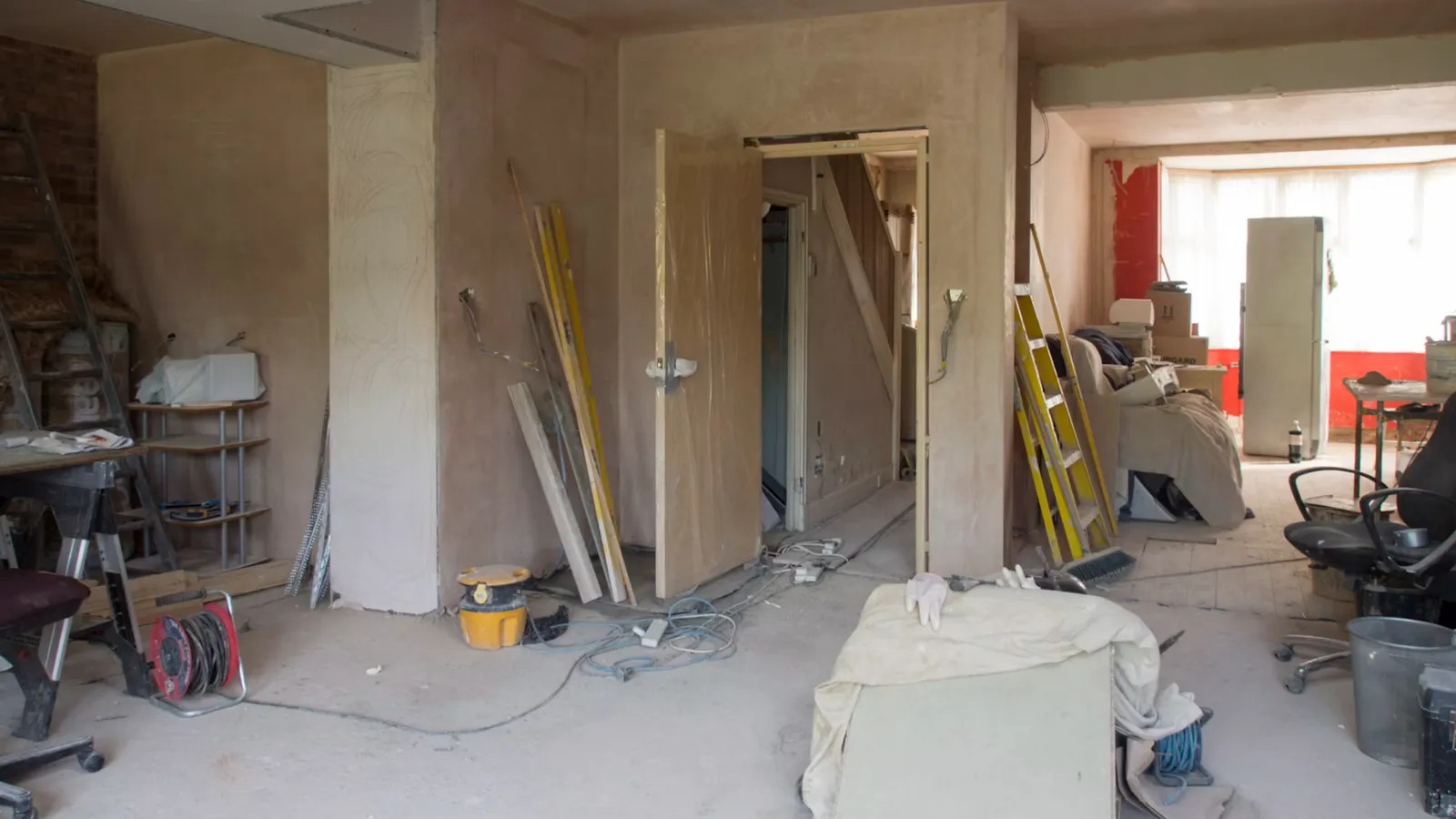
A practical way to split a renovation between your own hands and qualified trades: which jobs suit DIY, which need a professional by law or by sense, and how to plan the mix.
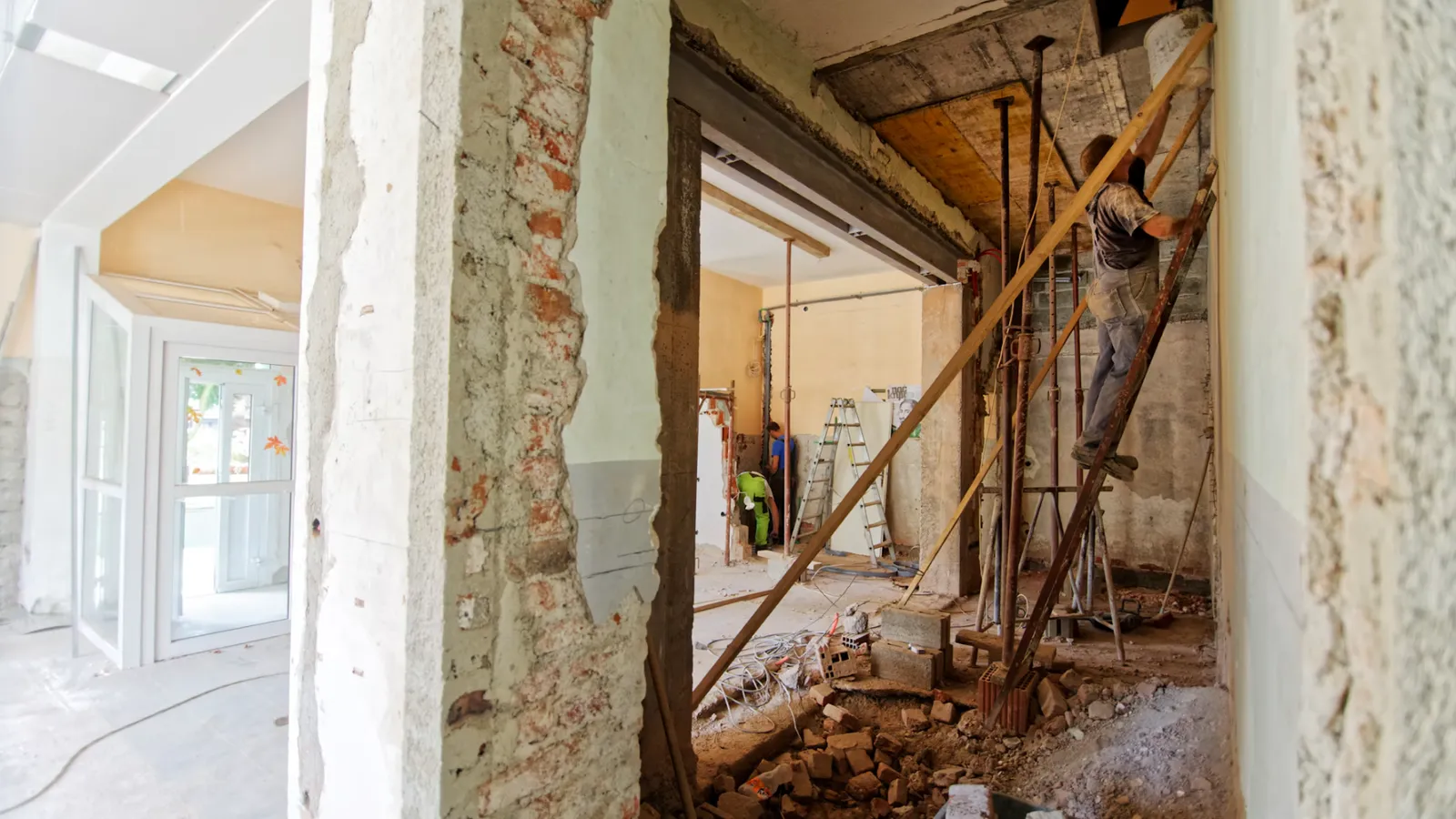
A full house renovation is easier to control as a set of room plans tied together by the whole-house jobs. How to write each room's plan, put the works in the right order and budget it all.
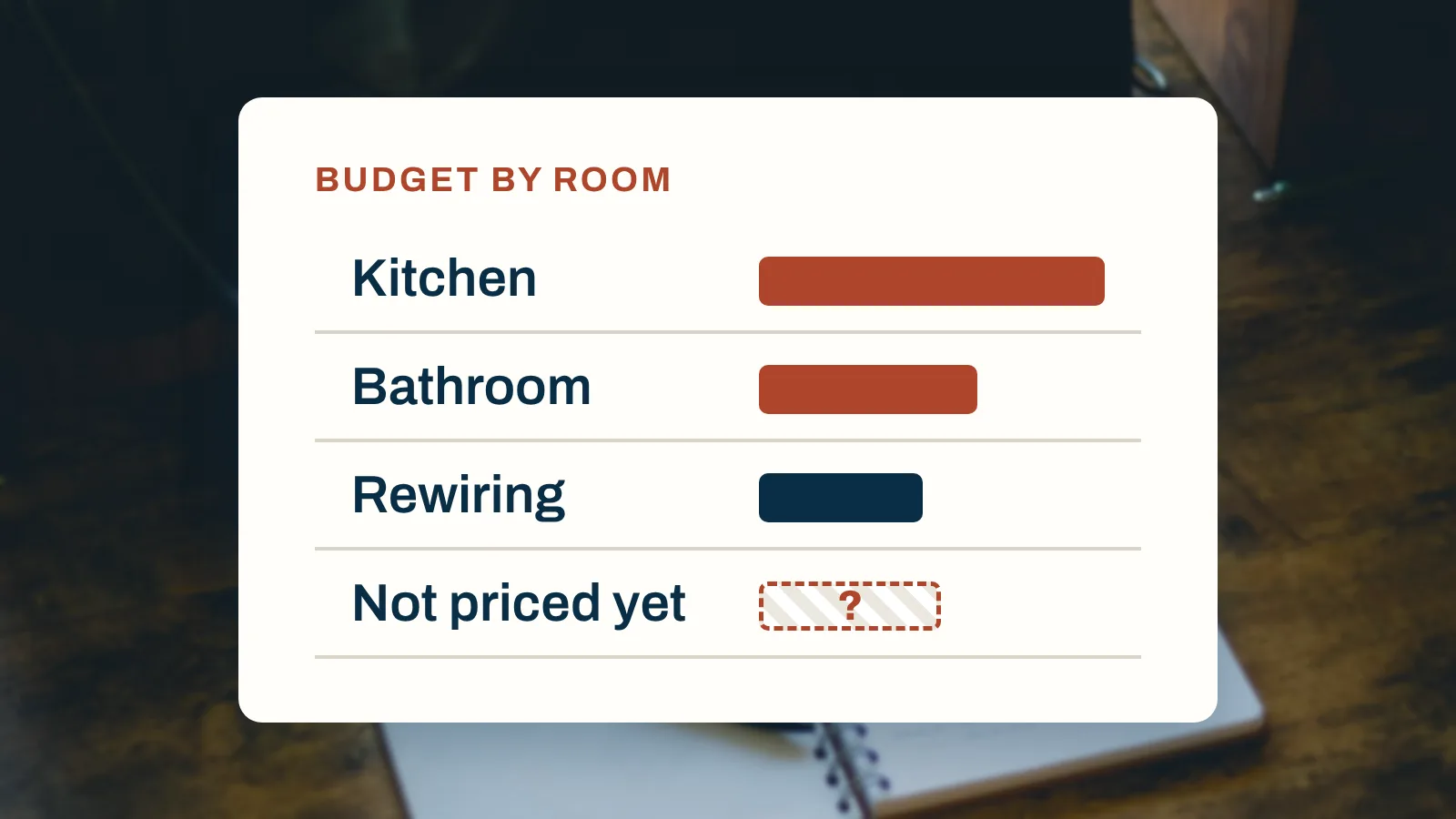
A home renovation budget is a spending limit, a scope and a list of every cost, with a contingency on top. Eight steps to set one, the lines people miss, and how to keep it honest once work starts.
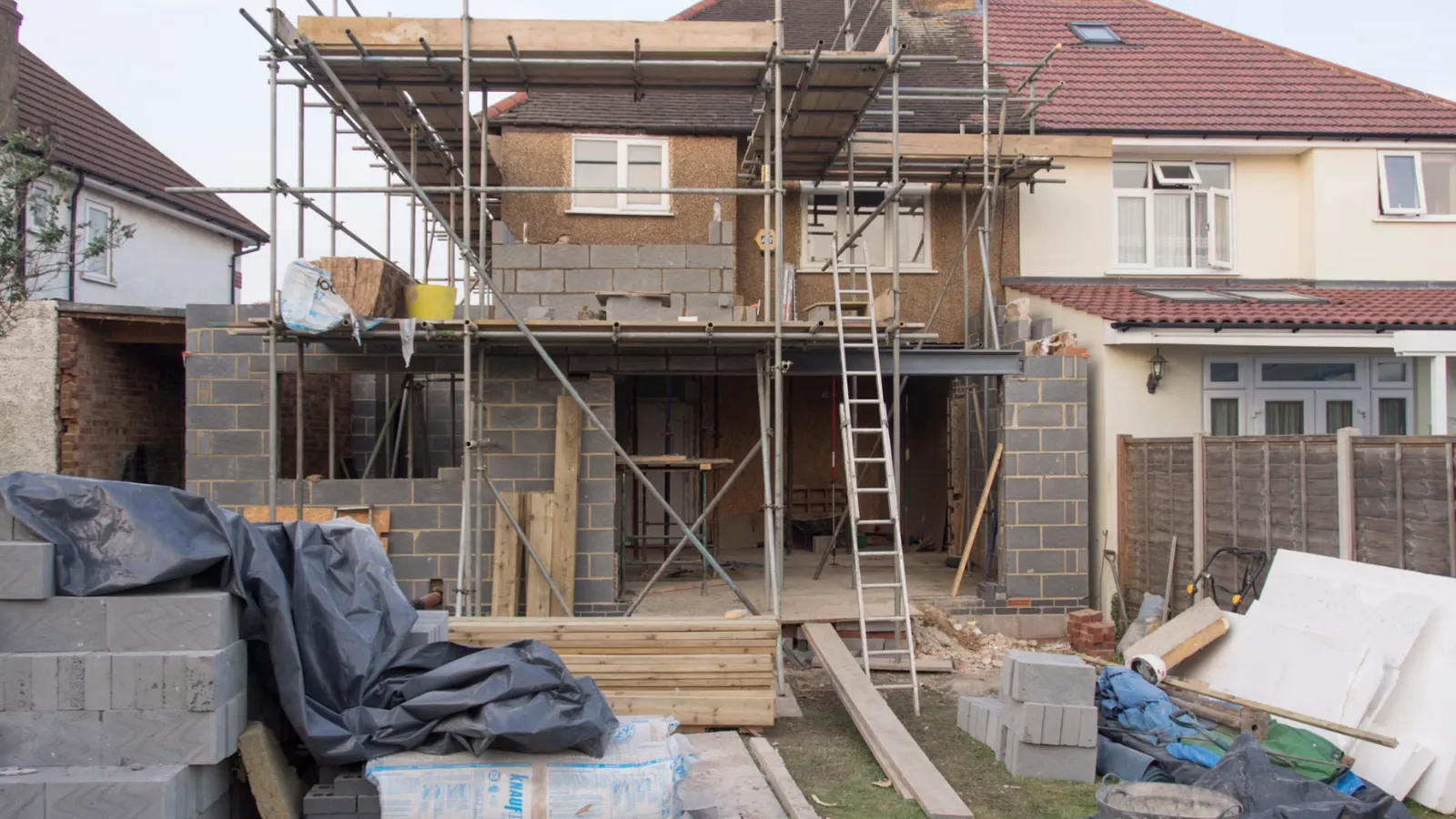
How to budget a house extension from your own plans rather than a headline average: the published UK rates, the professional fees, the fit-out, the planning rules and a contingency.
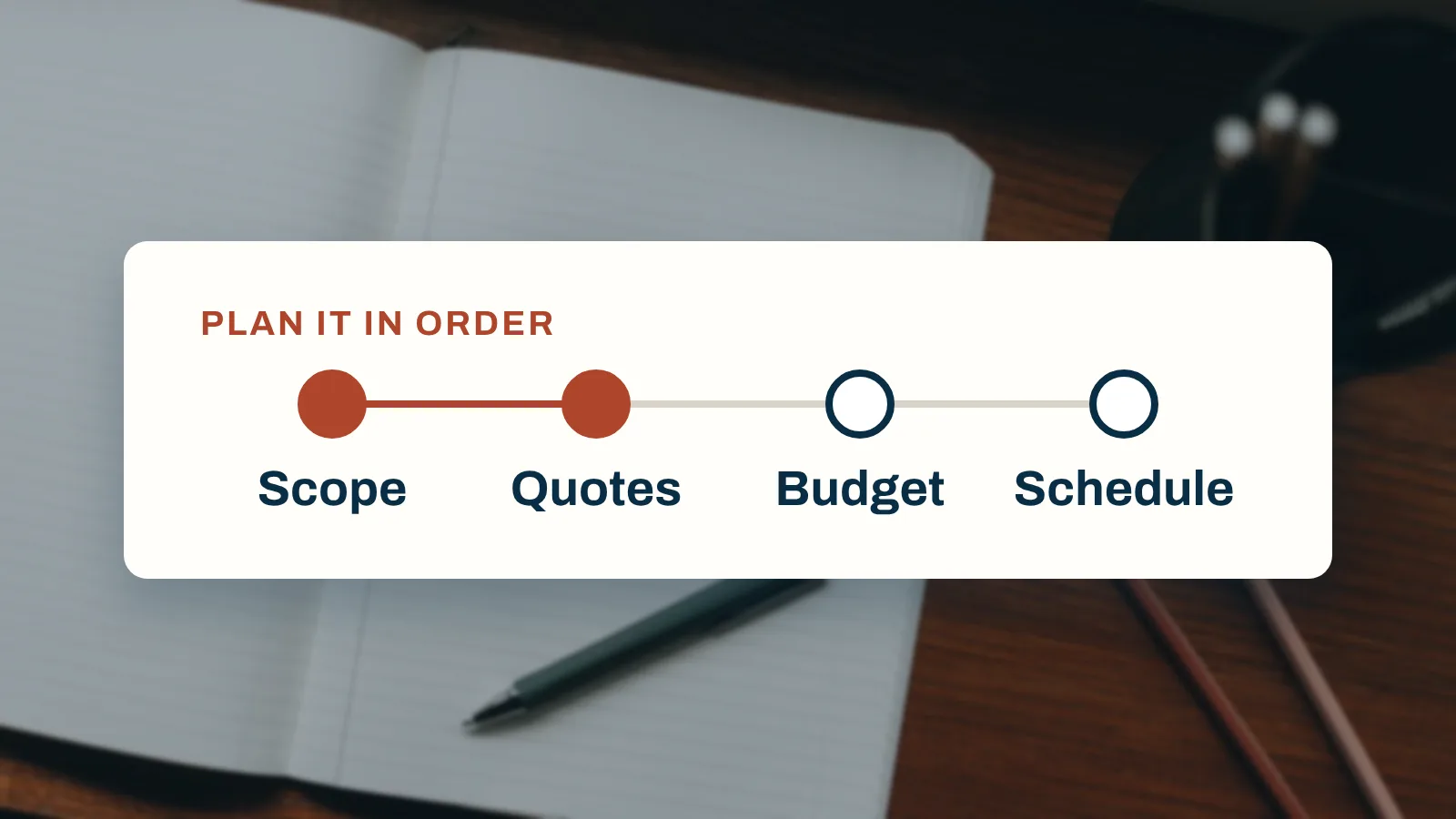
A renovation goes better when the decisions come in the right order. A phase-by-phase checklist from first idea to handover: what to decide, what to check, who to book and what order the work goes in, with the sources behind each step.

A simple room by room method to work out how much paint you need for walls, ceilings and woodwork, with a worked example, the coverage figures to use and how to keep a whole-house paint list.
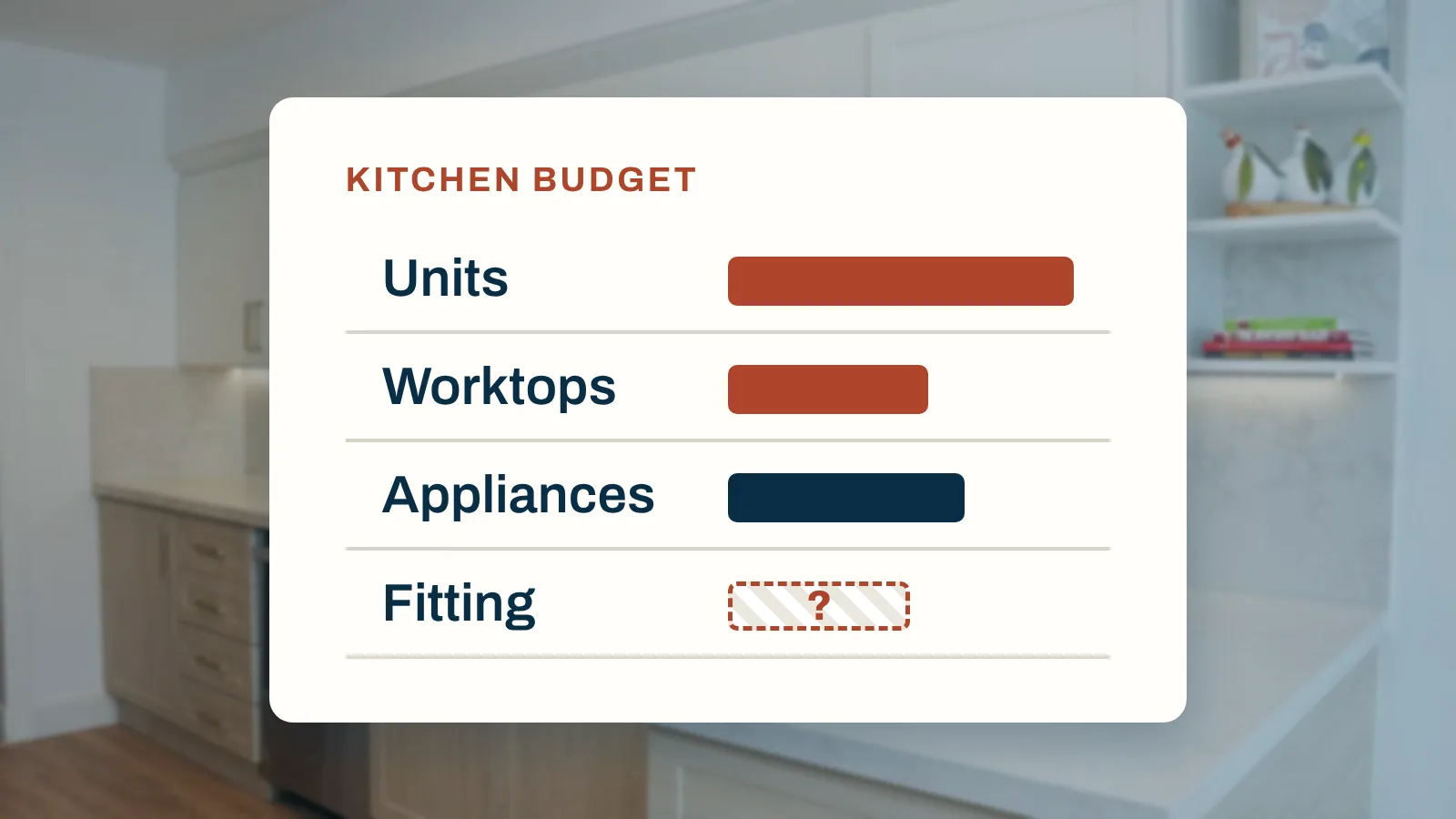
A kitchen budget is far more than the units. Here is every line to allow for, the published UK figures behind them, and how to keep the budget honest once work starts.
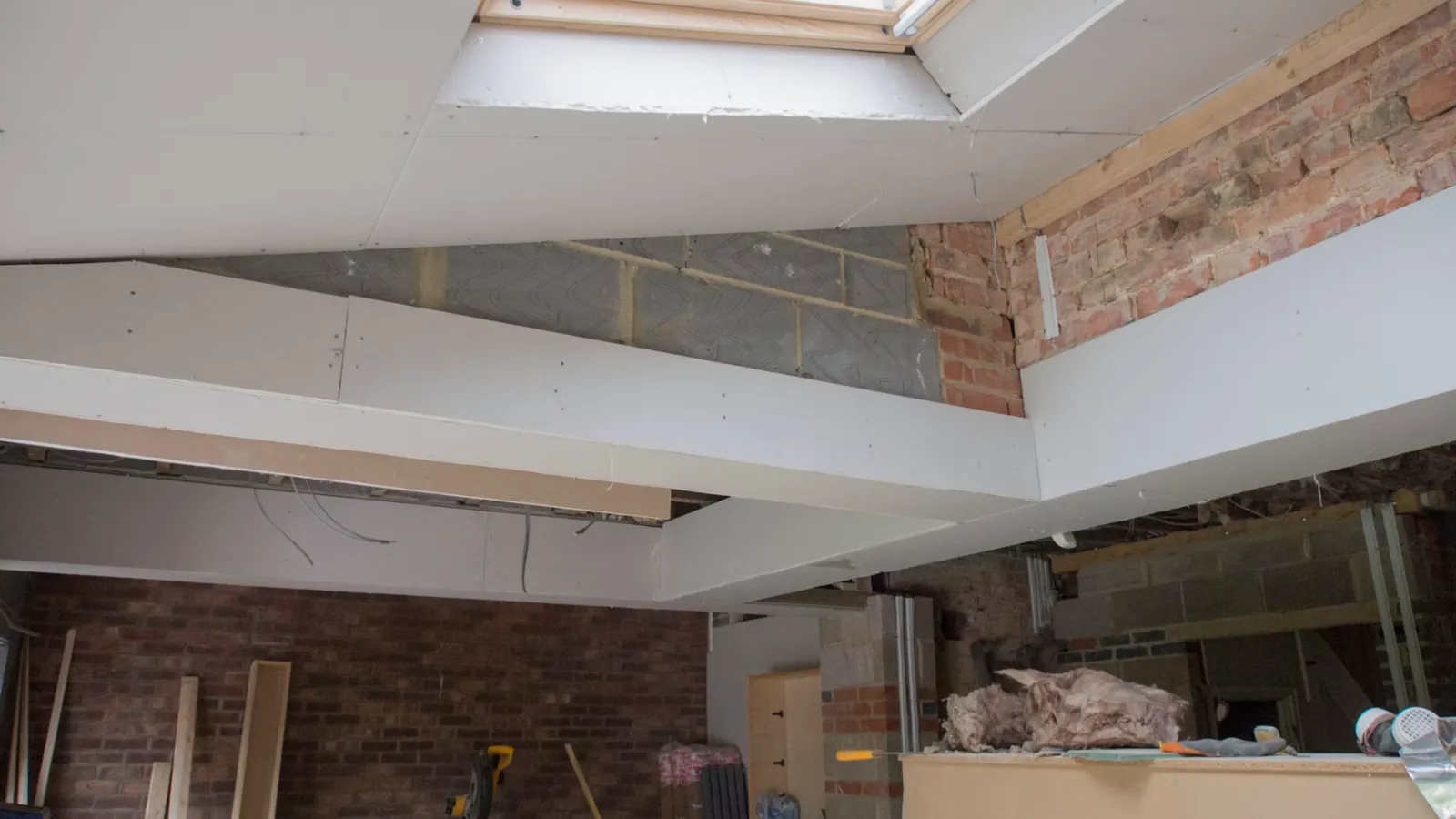
How to budget a loft conversion from your own loft rather than a headline average: the published UK rates, how the money splits, the fees people forget and a worked method.
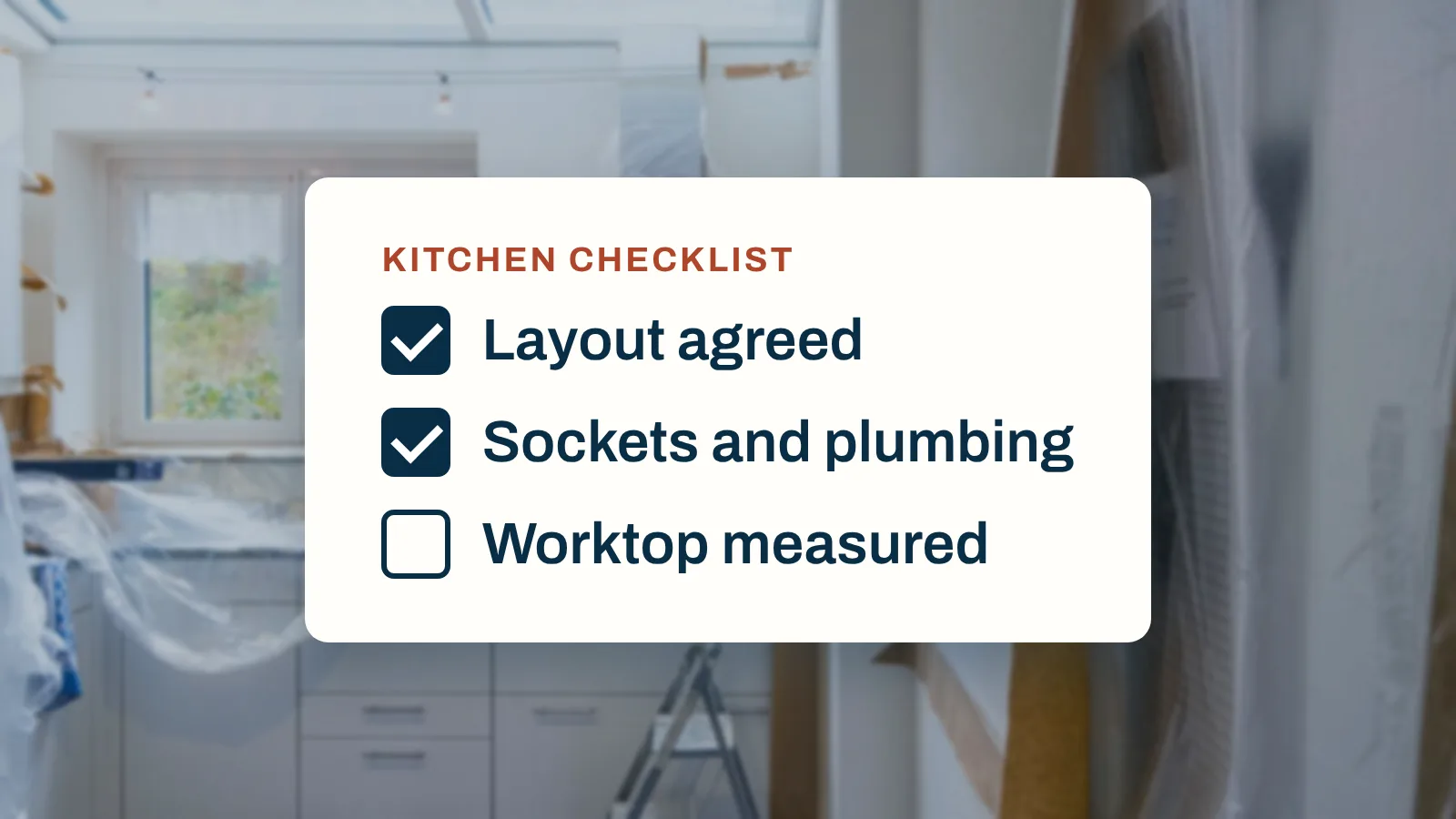
A kitchen pulls in more trades than any other room. The decisions to make before you order, the order of work from strip-out to worktops and appliances, the checks at each stage and what to collect before the last payment.

A new roof costs far more than the tiles. Published figures for pitched and flat roofs, what drives the price, the extras to price separately and how to hold a contingency for what stripping reveals.
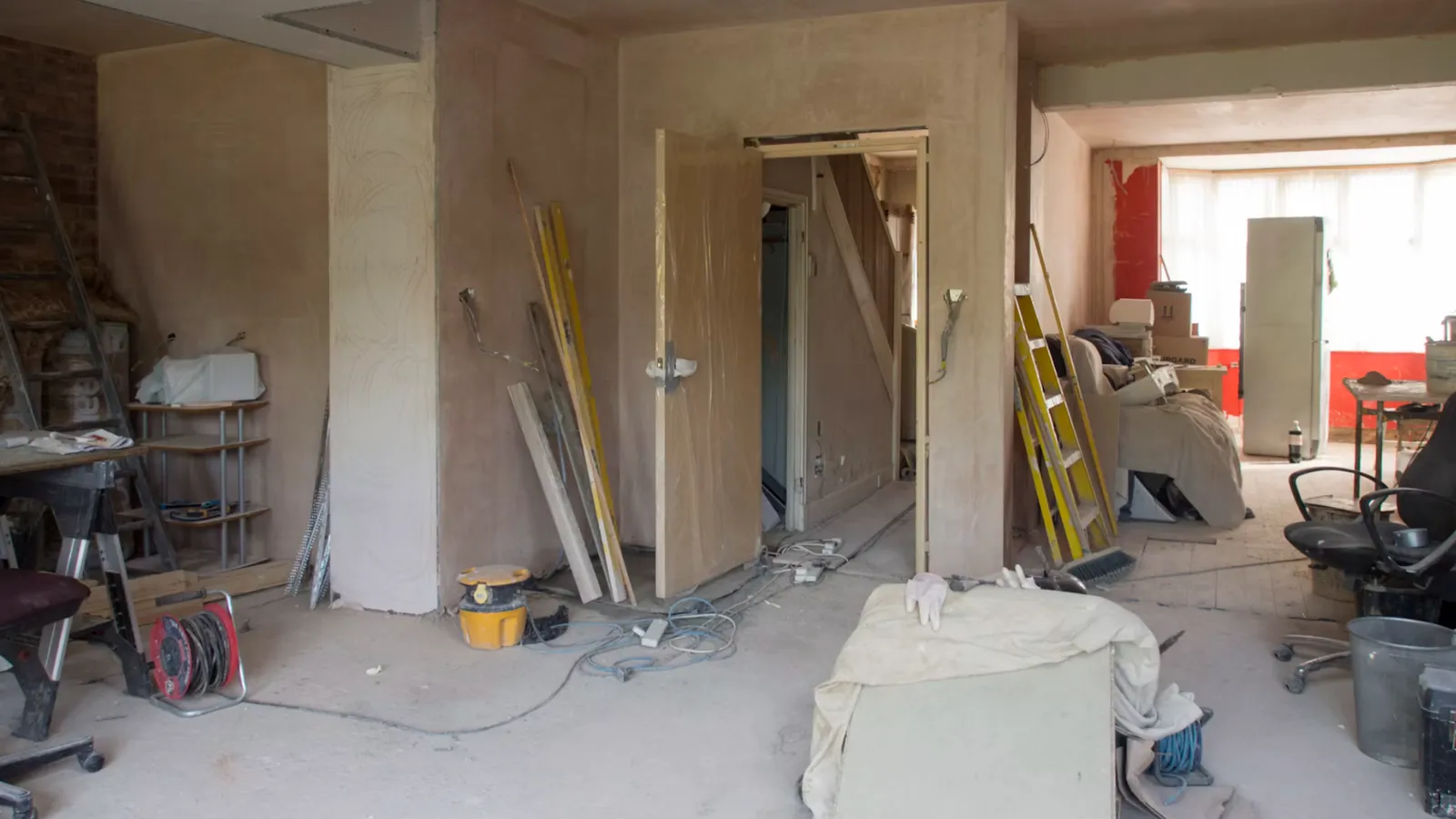
Renovating on a budget is less about finding cheap materials and more about avoiding the costs that ambush you. Where to spend, where to wait, and how to keep surprises small.

An old house rewards patience. Check the structure, roof, damp, services and paperwork before you plan finishes, do the work in the right order, use materials that suit how the house was built and give the unknowns their own budget.
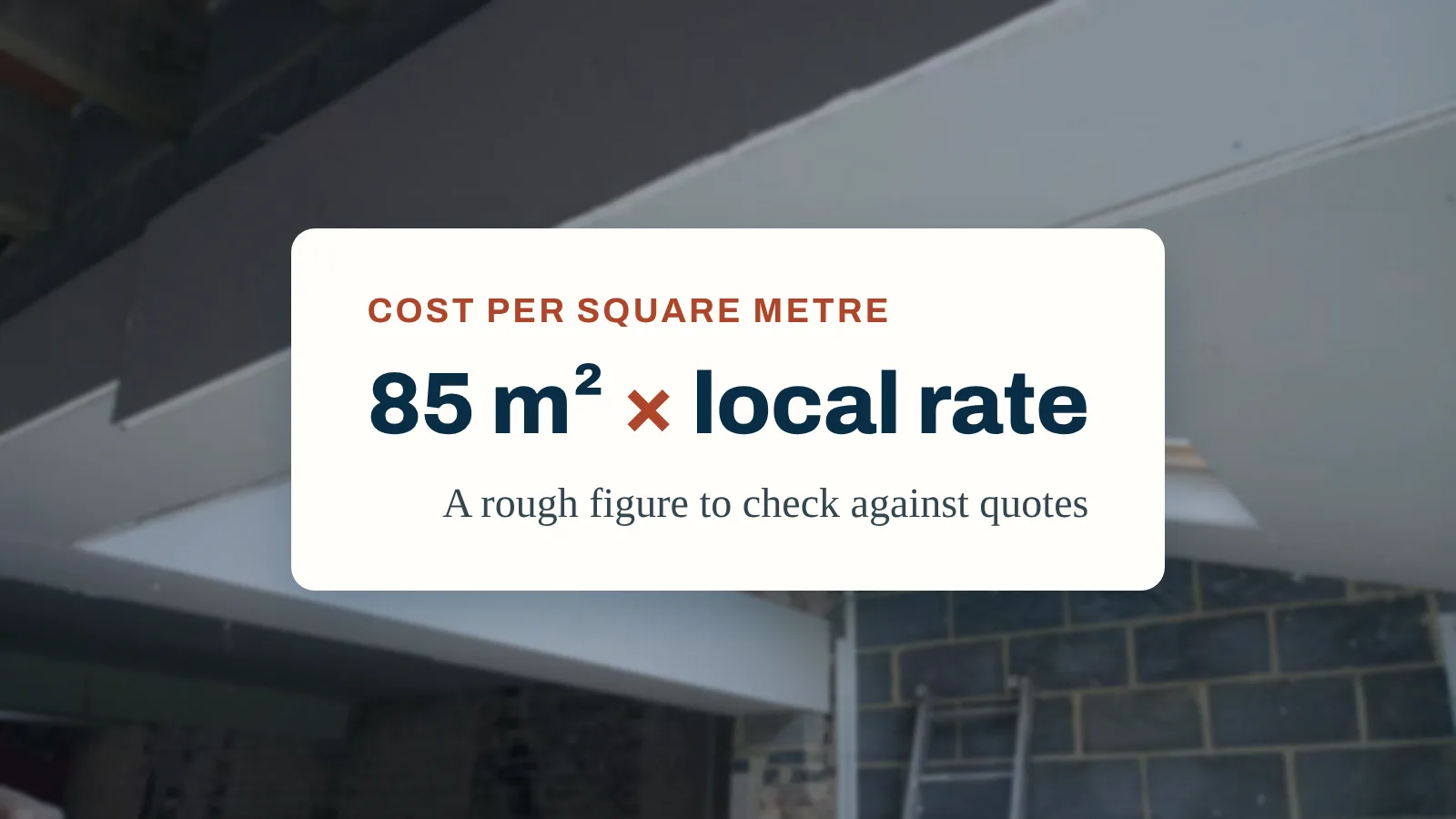
A cost per square metre is a quick first figure, not a budget. What published rates cover, how to measure the right area, the six ways a rate misleads, and how to turn it into a budget you can rely on.

Replacement windows cost depends on frame material, style, size, glazing and the work around each opening. Published figures, what moves the price, and how to turn a quote into a full budget.
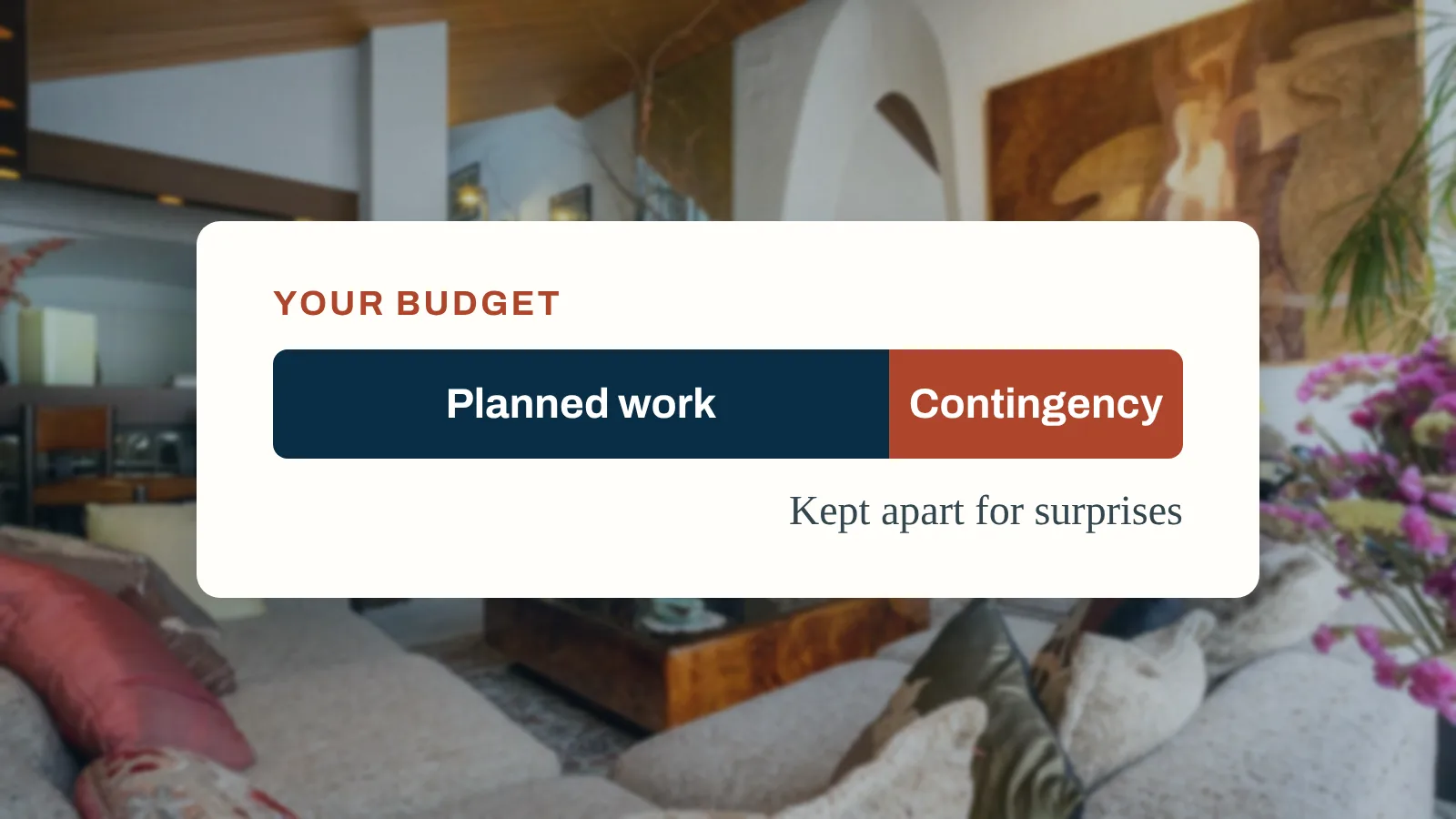
Size your renovation contingency from the real unknowns in your project, keep upgrades out of it, and watch what is left after every change.
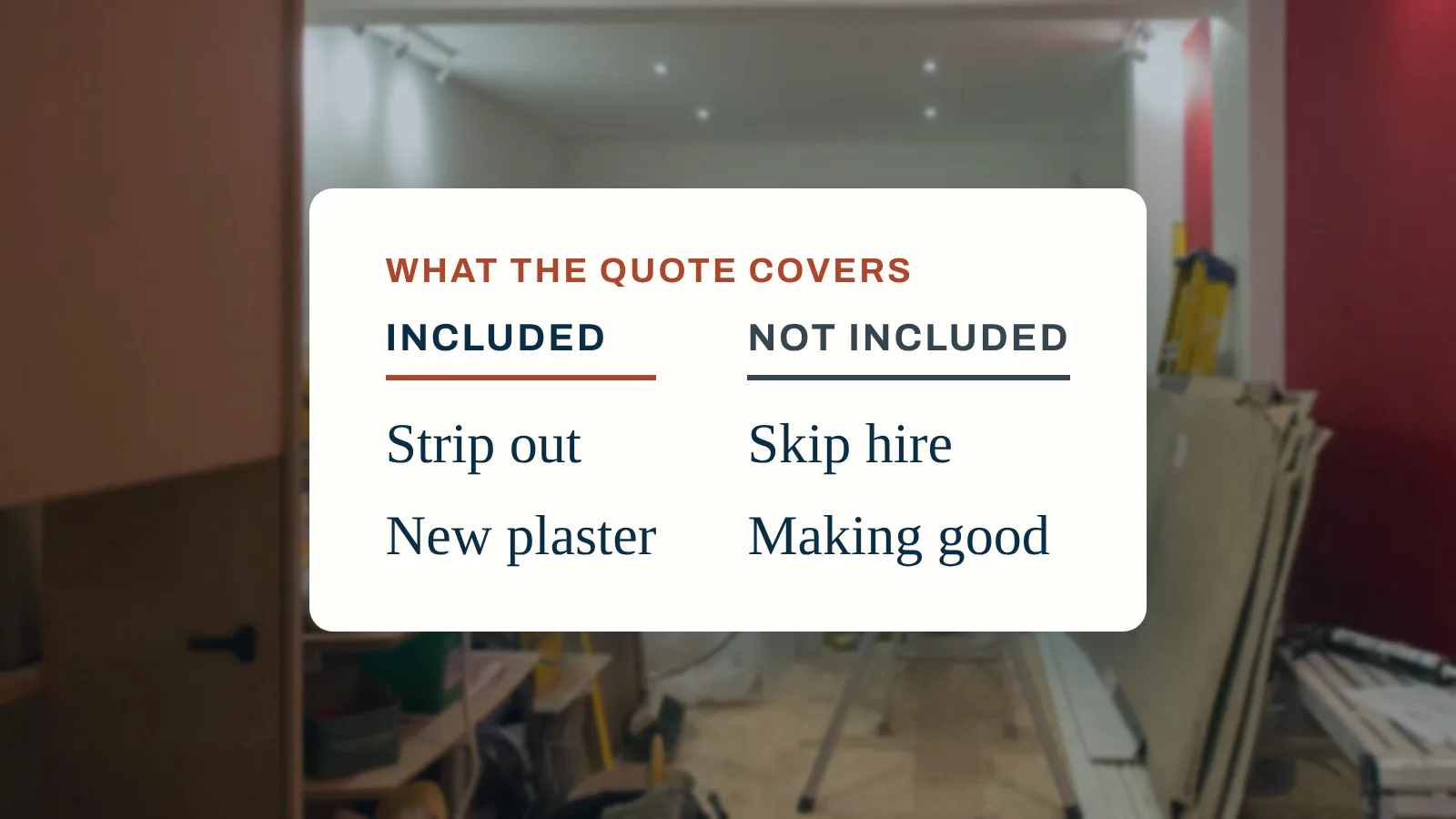
What a good builder's quote includes, what to ask every builder to send back, and how to compare quotes like for like rather than by the total.
What a scope of works should include, what each section should say, and a worked example that builders can price like for like.
Budgets, quotes, payments, documents and decisions in one place
30 days free. No card needed.
Monthly, with no annual plan. The Terms of membership set out the details.