Renovating a house on a budget without nasty surprises
Renovating on a budget is less about finding cheap materials and more about avoiding the costs that ambush you. Where to spend, where to wait, and how to keep surprises small.
To renovate on a budget, fix what the house needs before what you want: structure, roof, damp, electrics, plumbing and heating come first.
The biggest budget risk is not the price of tiles but surprises: hidden defects, unpriced changes, missing permissions and redoing work done in the wrong order.
Find out what the house needs before you set the budget, then hold a contingency sized to the unknowns.
Phase the work: do the must-haves properly now and put upgrades on a later list, rather than doing everything cheaply.
Compare quotes on the same written scope; a price far below the others may not be for the same work.
How do you renovate a house on a budget?
To renovate a house on a budget, find out what the house needs before you set the budget, fix the structure, roof, damp and services before the finishes, and phase upgrades for later. Get written quotes on the same scope, do the order of works right so nothing is redone, and keep a contingency for the unknowns.
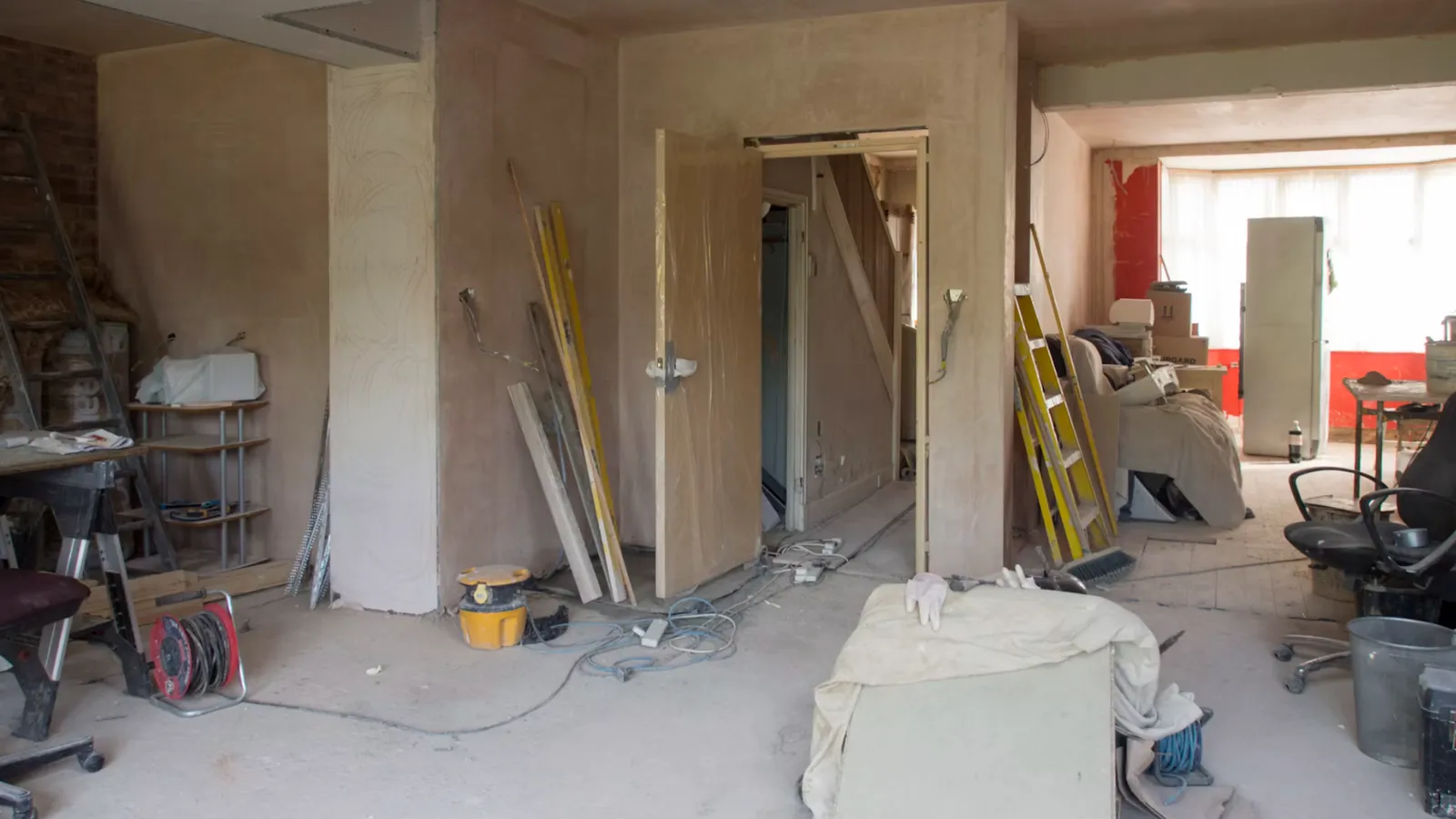
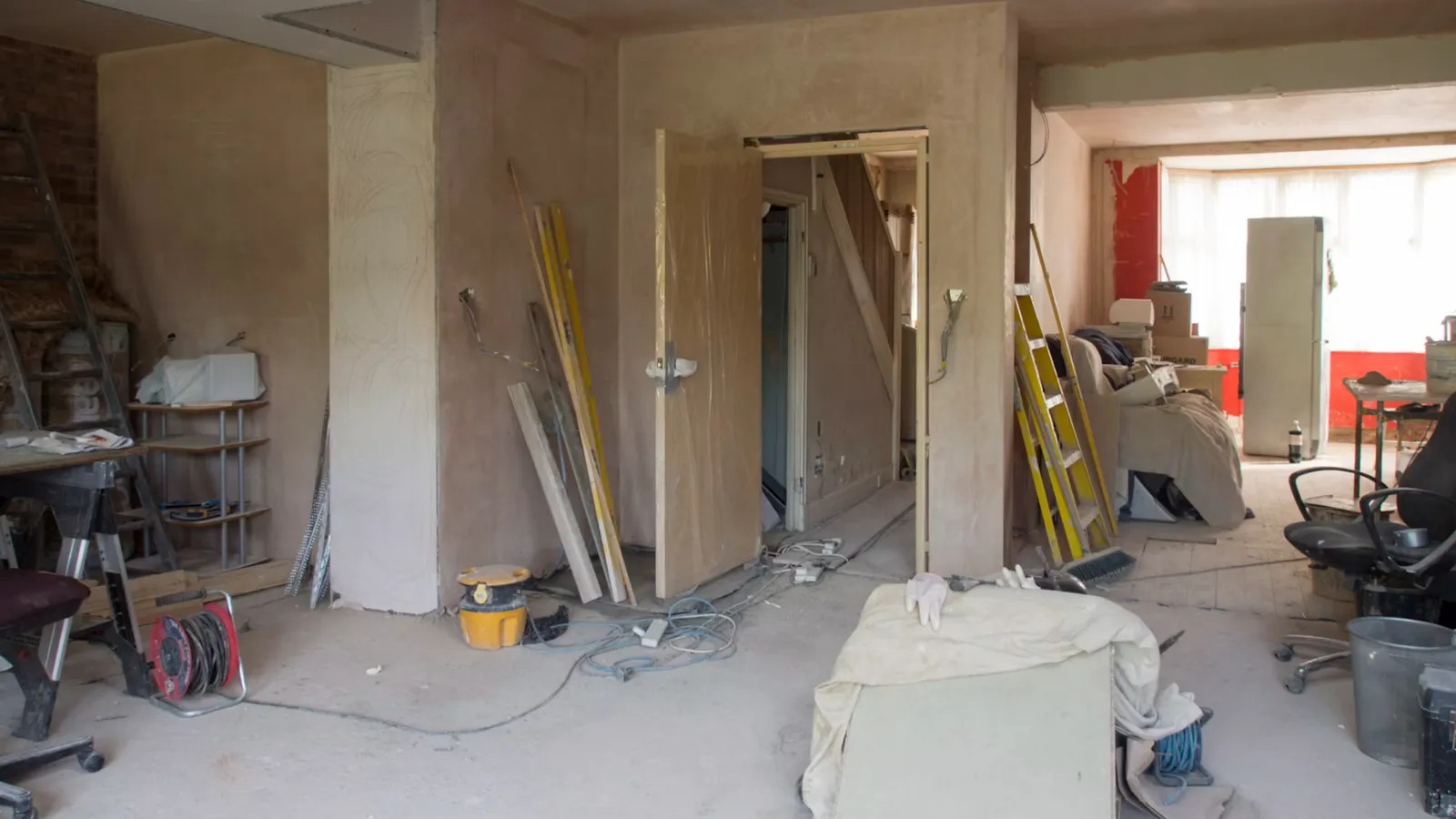
Most budget renovations do not go wrong because the tiles cost too much. They go wrong because of something nobody priced: rot behind the plaster, a rewire that turned out to be needed, an extra agreed on site, or a bathroom ripped out twice because the plumbing went in after it. This guide is about keeping those surprises small, so the money you have goes where it matters.
Where budget renovations really go over
The usual advice is about cheaper materials. The bigger risks are elsewhere.
What catches people out
Why it happens
How to keep it small
Hidden defects
Damp, rot, old wiring or drains only show once work starts
Survey and investigate first; hold a contingency
Work done in the wrong order
Finishes go in before services, then come out again
Plan the sequence before anyone starts
Unpriced changes
"While you're here" jobs agreed on site
Price every change in writing before it happens
Missing permissions
Work started without planning or building control approval
Check before you commit
A cheap quote for less work
Quotes not for the same scope
Give every trader the same written scope
Costs outside the build
Skips, storage, somewhere to live, travel
List them as budget lines from the start
None of these is solved by a cheaper tap.
Step 1: find out what the house needs
Before you decide what to spend, find out what the house needs. On an older or neglected property this is the most important money you will spend.
A survey, or a builder's or surveyor's look at the roof, walls, damp and structure
The age and condition of the wiring, the consumer unit and the heating
Where the drains run and whether they work
Windows and doors: repair, or replace?
Anything that looks like movement: cracks, sloping floors, doors that stick
If you are still choosing a property, our house survey checklist covers what to look for before you buy.
Tip
Ask whoever looks at the house to rank what they find: urgent, needed within a year or two, and nice to have. That ranking is the backbone of a budget renovation.
Step 2: set a limit and write the scope
Decide the most you can spend, including a contingency, and write it at the top of the plan. Then write down, room by room, what will change. A written scope is what turns vague ideas into something traders can price the same way. Our guide to writing a scope of works shows what to include, and our guide to setting a home renovation budget takes you through the full method line by line.
Step 3: fix the house before you finish it
On a budget, the rule is simple: needs before wants, and hidden work before visible work.
Safe and weathertight: structure, roof, gutters, windows that keep the weather out.
Dry: damp, drainage and ventilation.
Services: electrics, plumbing and heating, done while walls and floors are open.
Spending on the first three rarely looks impressive, but they are the jobs that are expensive to redo. A new kitchen fitted before a rewire may have to come partly out again for the electrician.
Watch out
Keep the layout where you can. Moving a kitchen or bathroom means moving water, waste and often drains, which costs far more than replacing fittings in the same place.
Step 4: split must-haves from later
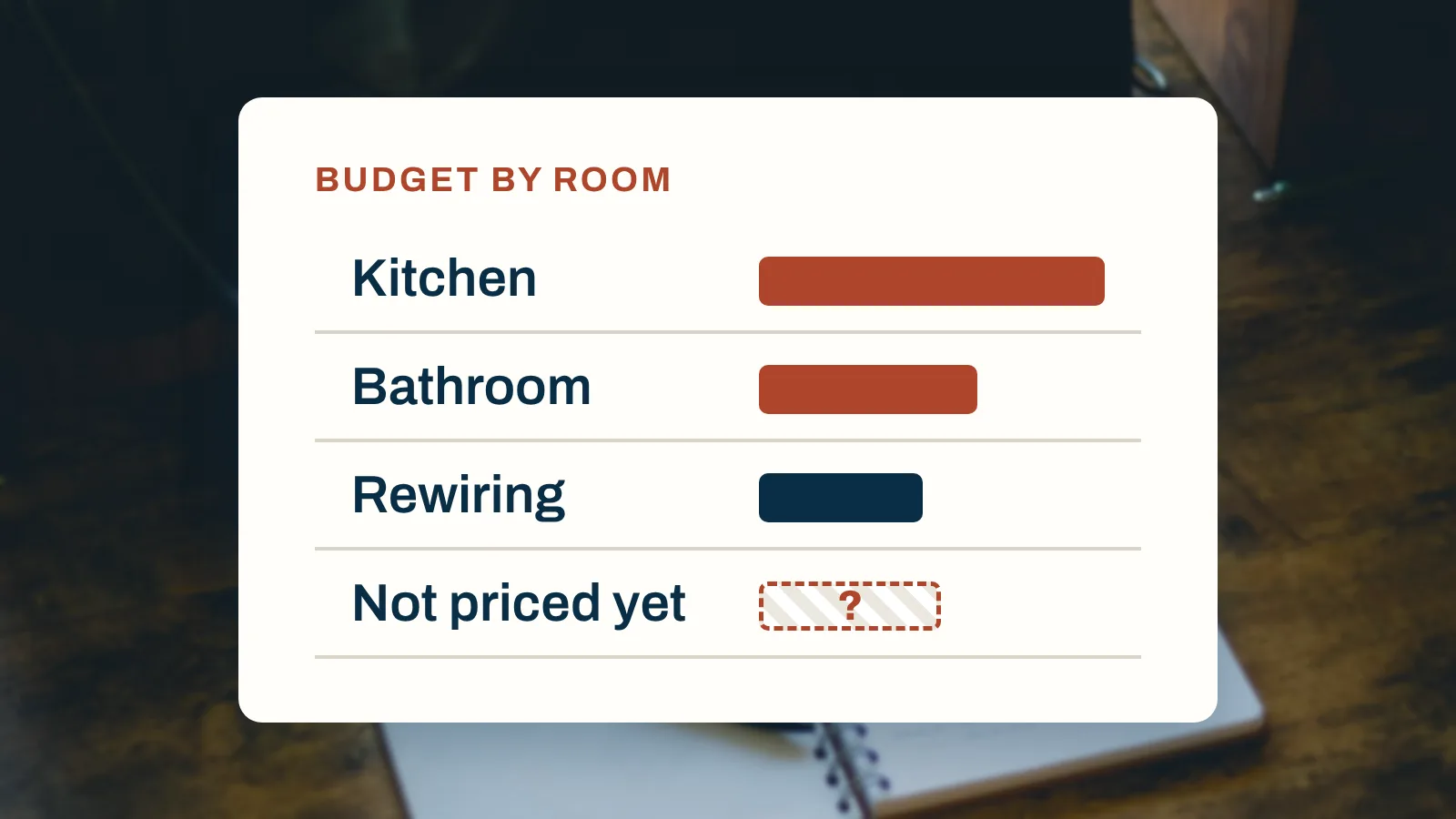
Mekozo's Costs & spending view shows the whole project so far against the money in your plan, with what is paid, what is still to pay and what is not yet priced, as quotes replace estimates.
Not everything has to happen now. Split your scope into two lists:
Now (must-haves)
Later (upgrades)
Roof repair
Rooflights
Rewire and new consumer unit
Designer light fittings
New heating where the old has failed
Underfloor heating in every room
Working kitchen, sensible layout
Island and premium worktop
Bathroom that works and does not leak
Freestanding bath
Plaster and paint
Feature walls and panelling
Do the must-haves properly now, and put the upgrades on a list for when money allows. A rough first fix done well, with cables and pipes in the right place, means many upgrades later can be added without opening walls again.
Tip
If you know you will want something later, such as an outside socket or a future en suite, ask for the cable or pipe to be run now while walls are open. It is cheap now and expensive later.
Step 5: get quotes on the same scope
Send every trader the same written scope. Then you are comparing prices for the same work, not three different ideas of the job.
Get at least three written quotes.Citizens Advice suggests trying to get written quotes from at least 3 different traders before you decide.
Be wary of a price far below the rest. Citizens Advice says it might mean the trader does not have the right skills or experience, or is not quoting for exactly the same work.
Ask for a quote, not an estimate. A quote is a fixed price; an estimate is a guess.
Ask for a breakdown. Separate labour and materials and each part of the work, so you can see where the money goes and what could be phased.
The Health and Safety Executive says homeowners can help make sure the people they hire work safely by asking simple questions about their track record and by allowing sufficient time and money in the agreed contract for the work to be carried out safely. A quote that only works if corners are cut is not a bargain.
Step 6: decide what you will do yourself
Doing some of the work yourself can reduce the labour bill, but only if you do it well and on time. The jobs that suit most people are the ones before and after the trades:
Clearing rooms, stripping wallpaper and removing old fittings, if they are safe to remove
Taking rubbish to the tip, if you have the transport
Filling, sanding and painting
Fitting simple items like shelves, curtain poles and door handles
Garden and outside clearing
Gas, electrics and structural work need qualified people. Our guide to DIY home renovation has a test for deciding which jobs to take on and which to leave.
Watch out
If you are doing your own preparation before a trade arrives, agree with them exactly what "ready" means. A plasterer who arrives to find the walls not ready may charge for the wasted day.
Step 7: buy, reuse and time it well
There are honest ways to make the money go further without cutting corners on what matters:
Reuse what is sound: doors, floorboards, radiators, sanitaryware in good condition, and the existing layout.
Buy materials yourself where it makes sense. Citizens Advice suggests offering to buy materials yourself instead of paying a deposit for them, so you own them if something goes wrong. Agree with the trader what they will and will not fit.
Order early. Long lead times on windows, kitchens and bathrooms cause delays, and delays cost money in idle trades and living costs.
Allow for the costs outside the build: skips, storage, temporary living, travel and your own time off.
Step 8: hold a real contingency
A budget with no contingency is a wish. Size it to the unknowns: a cosmetic refresh of a sound house needs less, an old house with visible problems needs more. Keep it as a separate line, spend it only on genuine surprises, and record every time you use it. Our guide to renovation contingency shows how to size it step by step.
Once work starts, agree every change in writing with its price before it happens. Price and agree each variation or extra (change order) in writing before the work goes ahead, as our guide to variations and extras explains.
Check the permissions before you spend
Missing permissions are one of the most expensive surprises of all.
In the UK (England and Wales)
Check whether your project needs planning permission and whether it needs building regulations approval. GOV.UK lists work such as replacing windows, installing a new bathroom involving plumbing, and changes to electrics near a bath or shower among the jobs that usually need building regulations approval. Citizens Advice warns that without the approval you need, you might be fined, made to put things right or undo the work, and might have problems when selling. Rules differ in Scotland, Northern Ireland and other countries: check the official source where the house is.
On the Operation Sicily villa
From the villa in Sicily. Mekozo's founder, Jonathan Smith, bought his villa in western Sicily for €21,500. In Episode 14 of Operation Sicily, where he films the renovation, he sets out a budgeting approach that started with a structural survey, must-haves before upgrades, labour, materials and permits as separate lines, a backup fund of 10 to 15%, and three to five quotes, favouring quality and reliability over the cheapest price. Before the plasterers came to quote, he sprayed green crosses on every wall and ceiling he wanted skimmed, so they could see exactly what to price; if the quote was good they would skim about 70% of the walls, and if it was too much he would skim them himself (Episode 29). The surprise came from outside the build: he has stayed on track with the renovation budget but is significantly over budget on accommodation, after choosing short-term lets for flexibility rather than a fixed rental (What I wish I had known). On an abandoned property he would now hold back 20 to 25% of the build cost, from his own experience rather than any published rule (his cost guide).
This guide explains a planning method. It is not financial, legal or survey advice, and it does not promise any saving.
Questions people ask
How can I renovate my house on a tight budget?
Start with what the house needs, not what you want: structure, roof, damp, electrics, plumbing and heating. Write a scope, get written quotes on it, hold a contingency, and phase the upgrades for later. Doing preparation and finishing jobs yourself can reduce labour, but leave gas, electrics and structural work to qualified trades.
What should you not skimp on when renovating?
Do not skimp on anything that is expensive or disruptive to redo: structural repairs, the roof, damp, wiring, plumbing, drainage and insulation. Also avoid cutting corners on permissions and certificates, because work without the approval it needs can be costly to put right and can cause problems when you sell.
What is the cheapest way to renovate a house?
The cheapest renovation is the one you only do once. Do the work in the right order so nothing is redone, keep the layout where you can to avoid moving kitchens, bathrooms and drains, reuse what is sound, and spend on the hidden work before the finishes. Price it from written quotes rather than guesses.
Which rooms should you renovate first on a budget?
Fix the whole-house jobs first, such as the roof, damp, electrics and heating, because they affect every room. Then do the rooms you need to live in, usually a working kitchen and bathroom, before rooms that are only cosmetic. Finishes go last, once the messy work is done.
How much contingency do I need for a budget renovation?
Size it to the unknowns rather than picking one percentage. An older house or one with visible problems needs more than a cosmetic refresh. The Operation Sicily villa owner used a backup fund of 10 to 15% in his early budgeting steps, and would now hold back 20 to 25% of the build cost on an abandoned property.
Jonathan Smith is the founder of Mekozo and Operation Sicily. Jonathan bought an abandoned villa in Sicily and is rebuilding it on camera, every week. Mekozo is the app Jonathan built to keep that renovation's money in one picture.
A home renovation budget is a spending limit, a scope and a list of every cost, with a contingency on top. Eight steps to set one, the lines people miss, and how to keep it honest once work starts.
A practical way to split a renovation between your own hands and qualified trades: which jobs suit DIY, which need a professional by law or by sense, and how to plan the mix.