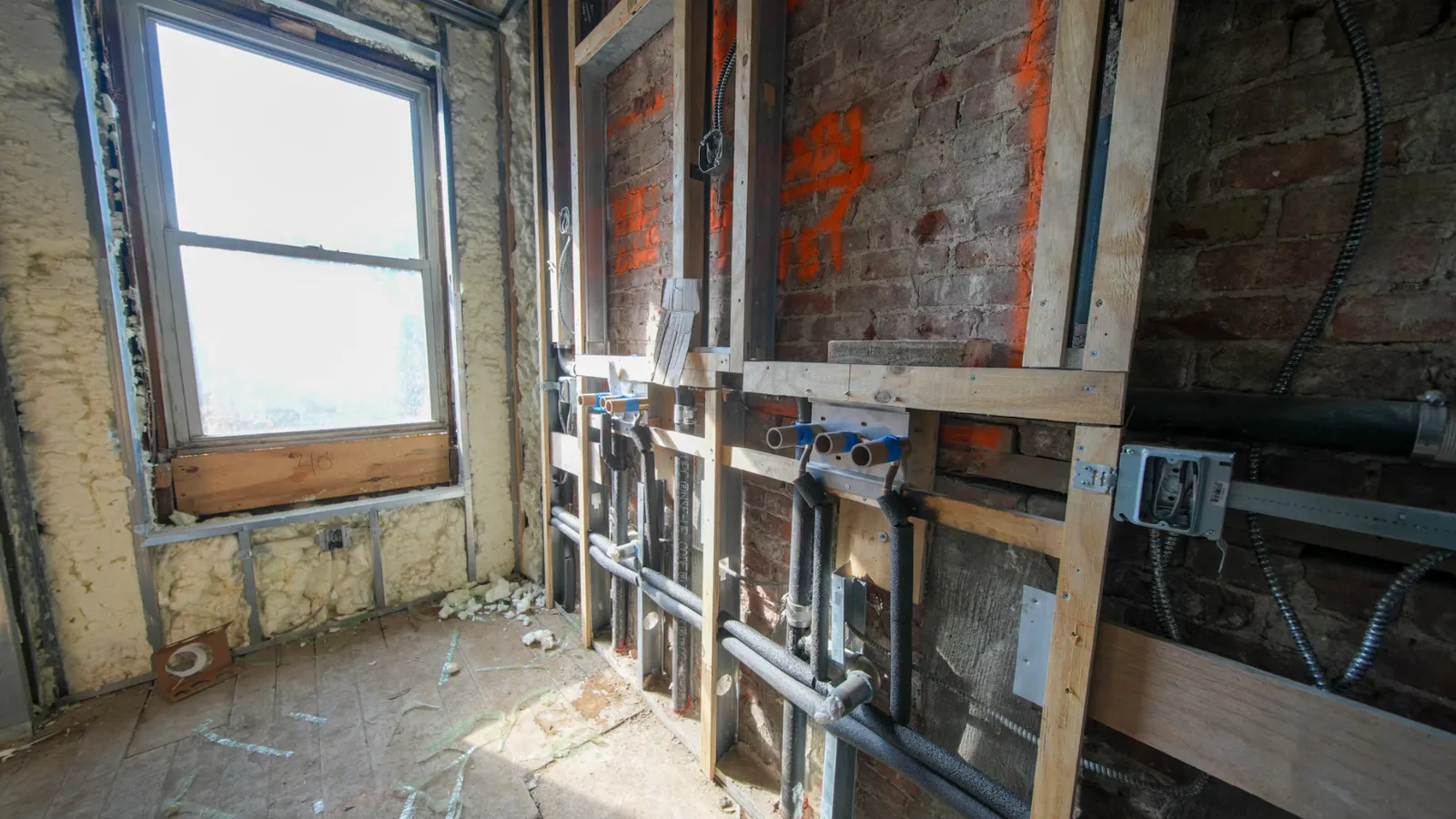
A bathroom renovation budget covers far more than the bath, basin and toilet: shower, taps, tiling, flooring, plumbing, electrics, ventilation, fitting, waste and a contingency. Which? says a basic DIY store suite costs around £300 and a higher-end one well into the thousands, before any installation. List every line, price it, then add a contingency.
This guide answers how much a new bathroom costs, gives you the full list of lines with the published UK figures and rules behind them, and shows how to keep the budget honest once the old bathroom comes out.
How much does a new bathroom cost?
How much it costs to renovate a bathroom depends on four things, and Which? figures show where each one moves the total (Which?, December 2025; Which?, January 2026):
- The suite and fittings: around £300 for a basic bath, sink and toilet from a DIY store, and well into the thousands for a higher-end suite from a specialist.
- The size of the room: Which? and the Building Cost Information Service (BCIS) price a new bathroom separately for a terraced bathroom of about 3.5m², a semi-detached of about 4m² and a detached of about 6.5m².
- The layout: moving the plumbing or the waste pipe adds cost compared with fitting a new suite in the same positions.
- The trades: tilers, electricians and, for a wet room, a builder for waterproofing and drainage all add their own lines.
So a price for a new bathroom only means something once you know which of these it covers. The rest of this guide builds your own figure line by line.
Bathroom renovation budget: every line to include
| Line | What it covers | Often missed |
|---|
| Strip out | Removing the old suite, tiles and flooring | Repairs to walls and floor underneath |
|---|
| Suite | Bath, basin, toilet | Wall-hung toilet frame and false wall |
|---|
| Shower | Valve, head, enclosure or screen, tray | Pump or electric shower supply |
|---|
| Taps and wastes | Basin and bath taps, wastes, traps | Recessed valves need precise setting |
|---|
| Furniture | Vanity unit, cabinets, mirror | Fixings and worktop |
|---|
| Tiling | Wall and floor tiles, adhesive, grout, trims | Preparation, tile levelling, sealant |
|---|
| Flooring | Tiles, vinyl or other finish | Levelling or replacing boards |
|---|
| Plumbing | Hot and cold supplies, waste pipes | Moving the toilet waste or soil pipe |
|---|
| Heating | Radiator or heated towel rail | Underfloor heating and its controls |
|---|
| Electrics | Lighting, shaver socket, fan, shower circuit | Notification and certificate |
|---|
| Ventilation | Extractor fan and ducting to outside | Drilling through a solid wall |
|---|
| Walls and ceiling | Plastering, boarding, painting | Moisture-resistant board |
|---|
| Waste | Skip or waste removal | Disposing of the old suite |
|---|
| Living costs | Using another bathroom, or going without | Weeks longer than planned |
|---|
| Contingency | Unknowns | Everything above |
|---|
Step 1: decide the scope before you price it
The biggest cost driver is how much you change. Write down which of these applies:
- Refresh. Same suite, new taps, regrouting, paint, lighting.
- Like for like. New suite in the same positions, new tiles and flooring.
- New layout. The toilet, bath or shower moves, so the pipes and waste move too.
- Wet room or structural change. Waterproofing, floor falls, new drainage or a wall moved.
Which? says that moving plumbing or your waste pipe will add to the cost compared with installing a new suite and toilet in the same position as the current ones (Which?, January 2026). It adds that a heavy, luxury bath might need a reinforced floor, and that converting a bathroom into a wet room will need waterproofing and might need new drainage, which usually means a builder as well as a plumber.
Watch out
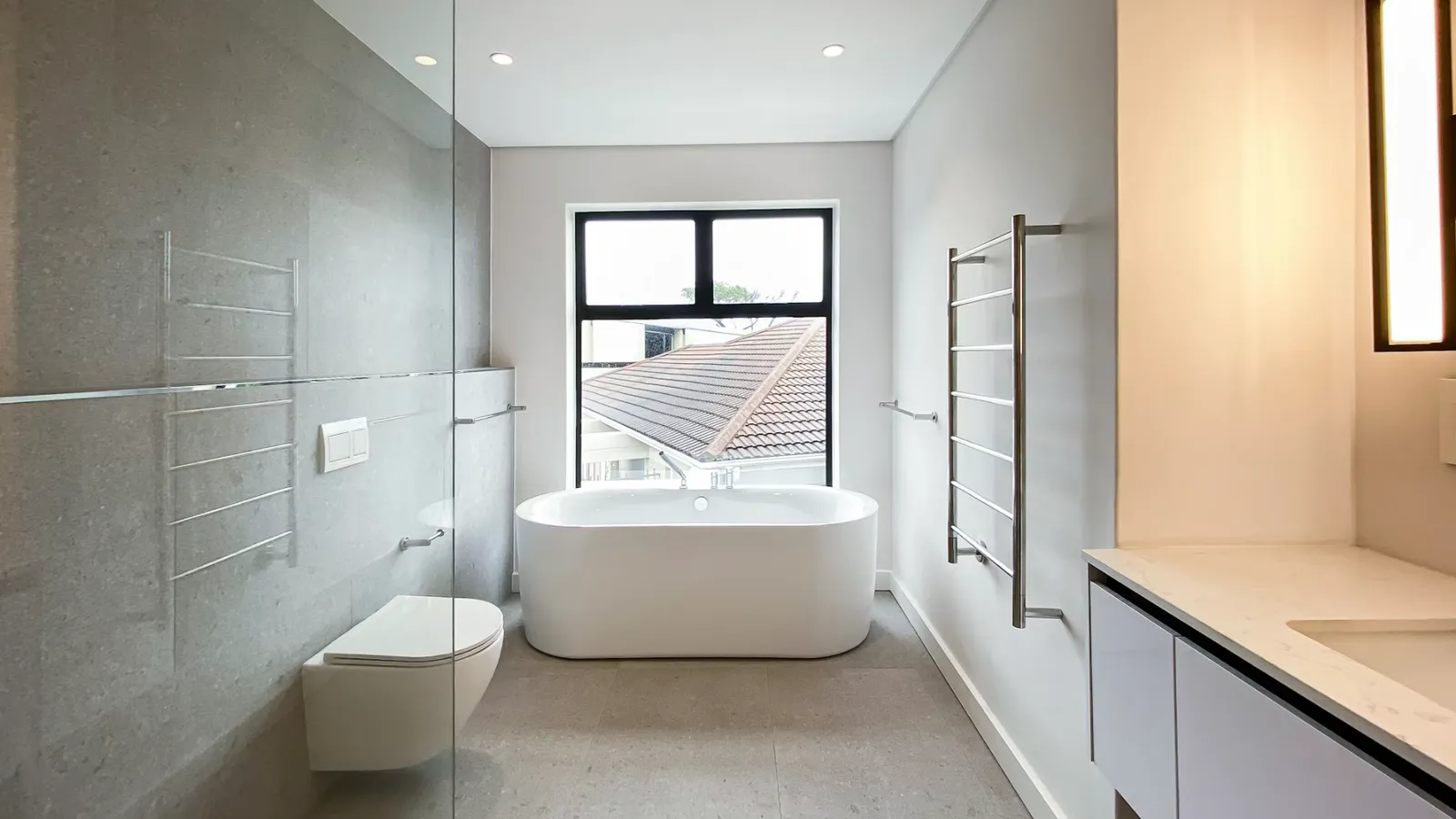
A wall-hung toilet hides its frame and pipes behind a false wall. Which? notes that the false wall slightly changes the shape of the room and can be more disruptive to install. Price the frame, the wall and the extra labour as their own lines.
Our guide to writing a renovation scope shows how to describe the job so every quote covers the same work.
Step 2: price each line
The suite and fittings
Start with the items you choose. A basic bath, sink and toilet from a DIY store costs around £300, Which? says, and a higher-end suite from a specialist bathroom company can cost well into the thousands. Stone tiles, underfloor heating, new lighting, designer heated towel rails, natural stone baths and glass basins all raise the price, while standard fittings such as acrylic baths and basic electric showers keep costs down.
Price each fitting by model, not by type. "A shower" can mean a simple electric unit or a set of recessed valves with a fixed head and a hand shower, and the fitting time differs as much as the price.
Fitting and labour
Which? worked with the Building Cost Information Service (BCIS) to publish typical price ranges for a new bathroom by size: a terraced house bathroom of about 3.5m², a semi-detached of about 4m² and a detached of about 6.5m². Those ranges include removing the existing bathroom, installing a bath, basin, WC and vanity unit, fittings, flooring, wall tiling and decoration (Which?, December 2025). The figures sit behind a Which? membership, but the list of what they include is a useful checklist for your own quotes.
Which? lists the things that change what fitting costs:
- where you live
- the age and condition of the property
- ease of access to the plumbing
- how long the job takes
- the quality of fittings and fixtures
- whether the fitter is disposing of waste
- whether tilers, electricians or other specialists are needed
It suggests getting at least three quotes if the company you bought the bathroom from is not fitting it, and asking fitters to break their quotes down.
Tip
In a September 2023 Which? survey of 1,129 members who had bought a bathroom suite or furniture in the previous ten years, the most common ways people had tried to cut costs were finding their own fitter (31%), sourcing components themselves (26%), buying components from different stores (20%), negotiating (19%) and finding alternatives to expensive materials (7%). If you supply items yourself, make sure the fitter's quote says so, and that delivery dates suit the fitting schedule.
Electrics and ventilation
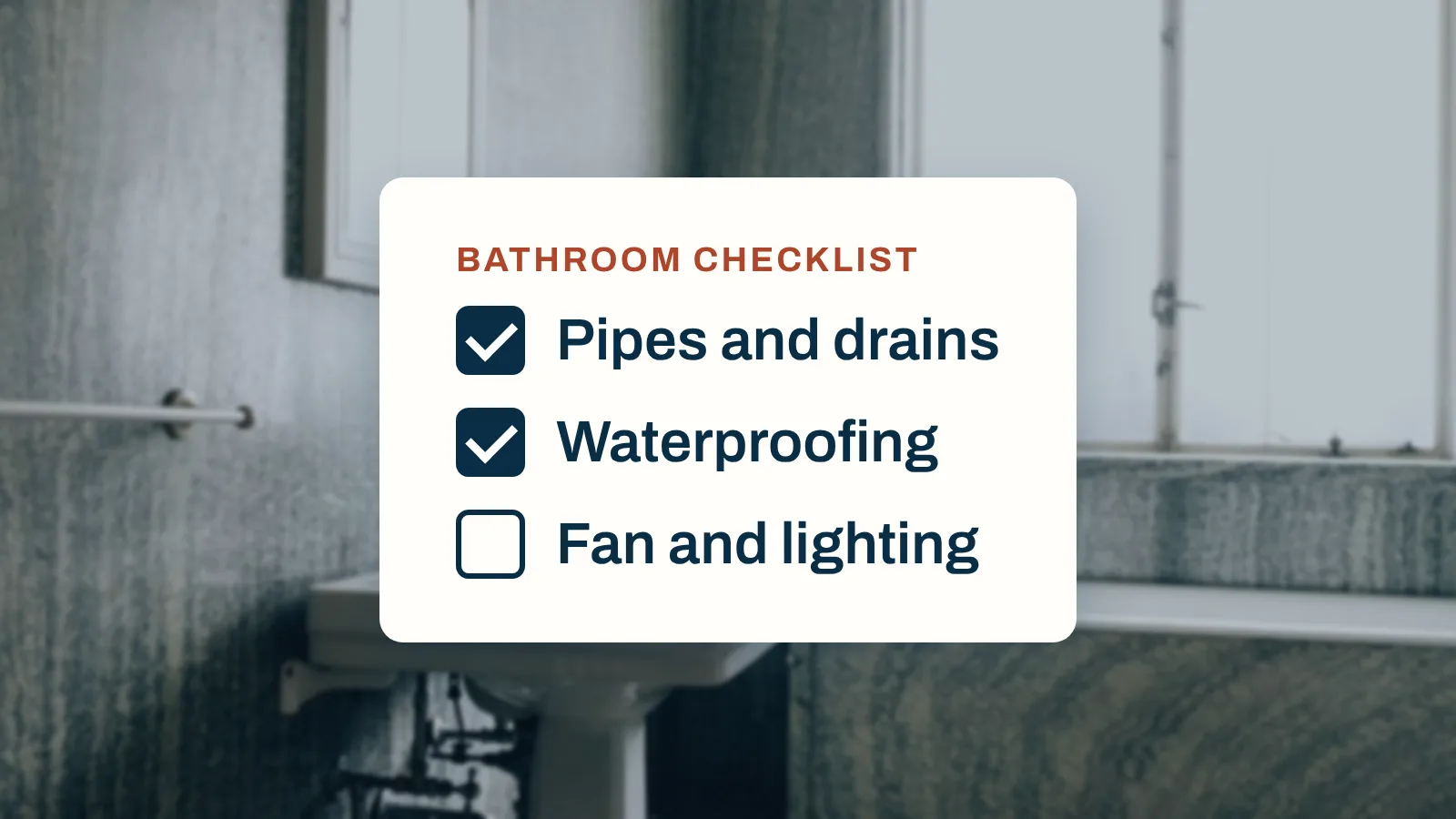
Bathrooms are where electrical rules are strictest, so give the electrics their own line rather than folding them into "fitting". Which? also suggests adding or upgrading an extractor fan while renovating, to reduce moisture and condensation.
In the UK (England)
Under Approved Document P (2013 edition), electrical work is notifiable if it is the installation of a new circuit, the replacement of a consumer unit, or any addition or alteration to existing circuits in a special location. In a room with a bath or shower, the special location is the space up to 2.25 metres above the floor and within 0.6 metres of the edge of the bath or shower tray, or within 1.2 metres of the shower head where there is no tray. Work by an electrician registered with a competent person scheme can be self-certified; otherwise it is certified by a registered third party or a building control body. Wales, Scotland and Northern Ireland have their own rules, as do other countries.
Step 3: turn the list into a budget with contingency
Once every line has a figure, mark how solid it is:
- Estimate. Your own guess or a published figure.
- Quote. A written price for that line from a supplier or trade.
- Agreed. A quote you have accepted.
- Paid. Money that has gone.
Then add a contingency for the unknowns: what is behind the old tiles, the state of the floor and the pipes, and anything not yet decided. Our guide to renovation contingency shows how to size it from your own risks rather than a guess.
Tip
A quote for "supply and fit bathroom" is not a budget. Citizens Advice suggests a quote should have a fixed total price rather than a daily rate, a breakdown of the work and materials, separate costs for each part, how long the price is valid, whether it includes VAT and when the price can go up. Our guide to comparing quotes on the same scope shows how to line them up.
Worked example: a bathroom budget line by line
This shows the structure, not a recommended spend. Replace every figure with your own quotes.
| Line | Figure | Status |
|---|
| Strip out and waste | From fitter | Quote |
|---|
| Bath, basin, toilet | Your chosen models | Estimate |
|---|
| Shower valve, head and screen | Your chosen models | Estimate |
|---|
| Taps and wastes | Your chosen models | Estimate |
|---|
| Vanity unit and mirror | Your choice | Estimate |
|---|
| Wall and floor tiles | Area plus waste allowance | Quote |
|---|
| Plumbing | From plumber, for the new layout | Quote |
|---|
| Electrics, fan and certificate | From electrician | Quote |
|---|
| Towel rail or radiator | Your choice plus fitting | Estimate |
|---|
| Tiling labour | From tiler | Quote |
|---|
| Plastering and decorating | From trades | Estimate |
|---|
| Floor repairs | After strip out | Unknown |
|---|
| Contingency | Sized from your risks | Set aside |
|---|
Watch out
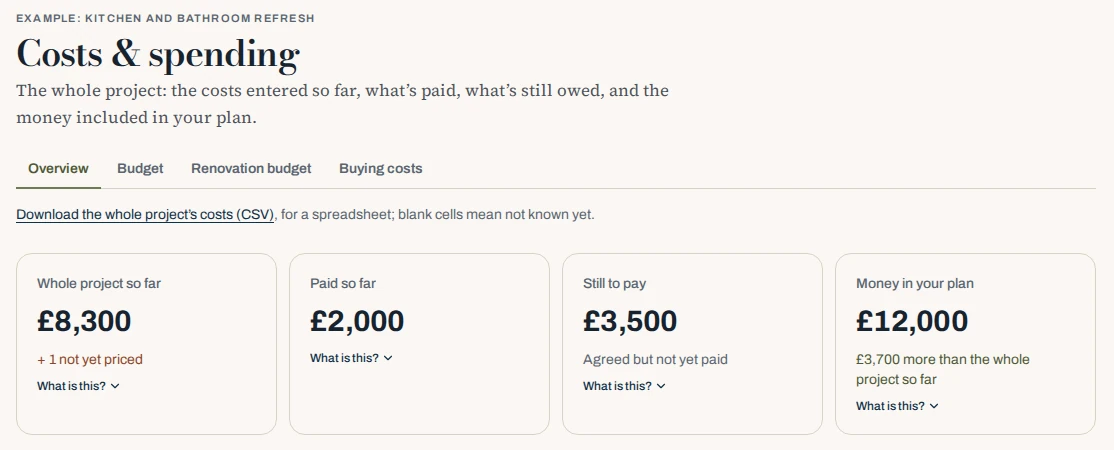
A line marked "unknown" is not zero. Leave it visible in the total until you have a figure.
Keeping a bathroom renovation on budget
- Keep the layout so the waste and supplies stay where they are.
- Fix every fitting before you get quotes, including valve types and tile sizes.
- Set out valves and wastes against the finished surface, not the bare wall.
- Test before you cover. Pipework that is pressure tested before tiling is cheaper to fix than pipework behind finished tiles.
- Separate upgrades from unknowns. A better shower is a choice to price, not a call on the contingency.
- Record each order and payment the day it happens, keeping the agreed price, invoices and payments apart. An invoice is the bill for agreed work; record it, then the payment against it.
Use the bathroom renovation checklist to put the jobs in order.