Buying a property
Costs of buying a house: the full list, hidden ones too
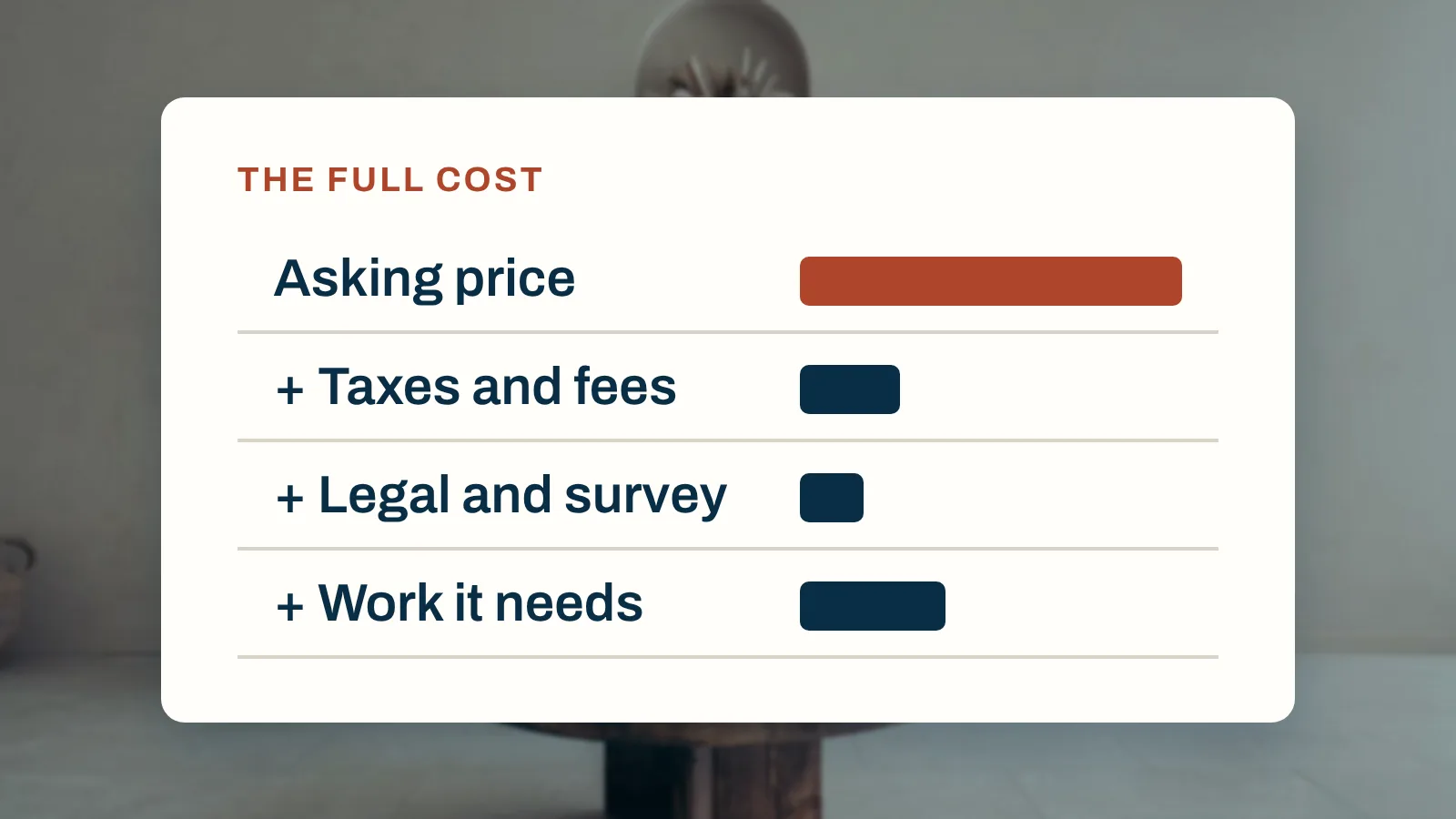
Every cost of buying a house, from tax and legal fees to the hidden ones after you move in, and how to keep them in one list.


Buying abroad means a different legal system, a different language and costs you will not meet at home. The checks to make before you pay anything, every cost to budget, the documents to keep and how to stay in control when you are not there.

To buy a property abroad safely, learn the local process before you commit, use an independent lawyer and translator, check the seller owns the title and the property carries no debts, get everything in writing with a receipt for every payment, and budget for every cost beyond the price. Keep it all in one place.
The GOV.UK guidance for buying property abroad, from the Foreign, Commonwealth and Development Office, starts with a warning worth repeating: the legal system and steps may be very different from those you know at home. This guide turns its advice into a working method: the checks to make, the costs to budget, the documents to keep and how to stay in control from a distance.
These come from GOV.UK's top tips. None of them is optional, and most have to be done before you sign or pay a deposit.
Watch out
GOV.UK advises using an independent translator and having an interpreter at every meeting if you do not have a good understanding of the language, and to be wary of using one recommended by the agent or lawyer. A contract you cannot read is a contract you cannot check.
Abroad, the people around a purchase may have different roles from the ones you know. Find out who does what before you rely on anyone.
| Role | What to check |
|---|---|
| Lawyer | Independent of the seller and agent; registered with the local bar; insured |
| Notary (where used) | Their role in the deed, and what they do and do not check for you |
| Surveyor or technical professional | Qualified locally; what their report covers and what it does not |
| Estate agent | Licensed where required; who pays their fee and how much |
| Translator and interpreter | Independent of the agent and lawyer |
| Your bank | How international transfers work, their fees and how long they take |
GOV.UK's guidance for Spain, for example, says to check that a lawyer based in Spain is registered with the local bar association and has professional indemnity insurance, and not to sign any papers or hand over any money until you have taken independent legal advice. Its guidance for France says not to be hurried into a binding decision by agents or sellers.
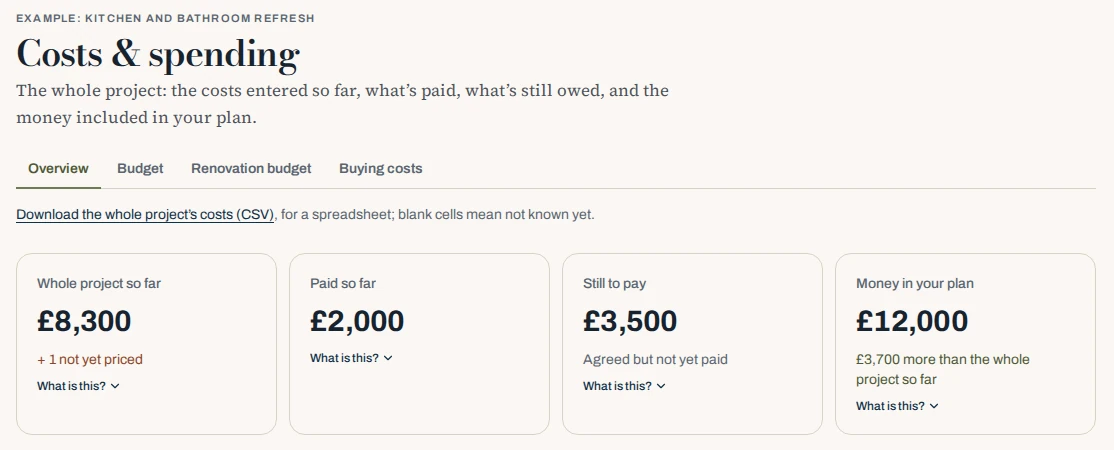
Mekozo's Costs & spending view adds every purchase cost to one total and shows what is paid, what is still to pay and what has no price yet, wherever you are.
Try it free for 30 days, no card neededGOV.UK lists the additional costs to plan for. Add them to the purchase taxes and fees that apply in the country, and keep each as its own line.
When you buy
| Cost | Notes |
|---|---|
| Purchase taxes | Set by the country; often a percentage of a declared or official value |
| Notary or registration fees | Where the country uses a notary or a public register |
| Legal fees | Your own independent lawyer |
| Estate agent's fee | Who pays it varies by country |
| Surveyor's fees | GOV.UK lists chartered or quantity surveyor fees |
| Translation and interpreting | Contracts, documents and meetings |
| International transfer fees | Agree them with your bank in advance |
| Banker's draft or guaranteed cheque fees | Where required for completion |
| Power of attorney | If someone signs for you |
| Legal fees for a will | GOV.UK notes a will may be mandatory in some countries |
| Connection fees | Water, sewage, electricity |
| Furniture, shipping and insurance | Getting the home usable |
| Travel | Viewing trips, signing, and any later visits |
Every year you own it
| Cost | Notes |
|---|---|
| Annual property tax | Set locally |
| Refuse collection and mains drainage | Local charges |
| Community fees | Where the property is part of a development or estate |
| Utilities and insurance | Even when the property is empty |
| Travel and maintenance | Visits, a key holder, and repairs |
GOV.UK also notes you may be liable to pay tax if the property is sold, and suggests drawing up a will in the country where the property is, because inheritance laws may differ. Take independent advice on both; this guide does not cover tax. For the full list of buying costs at home, see our guide to the costs of buying a house.
Tip
Record every payment in the currency you paid it in, with the date and the rate you actually got. The cost in your own currency is what your budget has to cover, and it will not match a headline rate.
A purchase abroad produces documents in another language, from offices you may never visit. Keep each one, with a translation, in one folder you can reach from anywhere:
These documents are also the start of the home's records. Once you own the property, keep them together in one home file, with the certificates and records of work that follow.
The detail differs by country, but most purchases follow this shape:
Our buying a house checklist covers the same steps in detail for a purchase at home, and our guide to how long it takes to buy a house sets out a typical timeline.
The method is the same everywhere. The process, the professionals and the taxes are not, so check the official guidance for the country you are buying in.
In Spain
GOV.UK's guidance says to check that planning permissions are in order and the property is a legal build, to check the town plan for building restrictions, to have the property surveyed, and to know the cadastral value and how much purchase tax will be due. Our guide to buying a house in Spain covers the costs and steps.
In France
GOV.UK's guidance says to obtain the information pack of reports before signing, noting it is not the equivalent of a full survey, and to arrange any full structural survey before you sign or include a condition allowing you to withdraw. It adds that two or more months may pass between contract and completion. Our guide to buying a house in France sets out the steps, the diagnostic reports and the costs to plan for.
In Italy
On the villa purchase by Jonathan Smith, Mekozo's founder, who films his renovation on Operation Sicily, the Italian tax code (codice fiscale) had to be in place before buying, and the notary handled the deed. Our guide to buying a house in Italy covers the costs and steps, and our guide to 1 euro houses in Italy covers what those schemes really cost.
In Portugal and elsewhere
See the official guidance for the country, and our guide to buying a house in Portugal.
A holiday home adds costs that run while you are not there. Before you buy, list:
The linked guide covers running work on site when you are not there, from site visits to paying trades.
On the Operation Sicily villa
From the villa in Sicily. Jonathan's search took three months and about 50 viewings, and he walked away from two deals when the documents did not match what was there: a villa built over a forgotten archaeological site that was left out of the paperwork, and a farmhouse with a hidden room missing from every official plan (Episode 8). The villa he bought cost €21,500, with €1,500 for the notary, €1,500 for the estate agent and €4,500 in taxes on top: €29,000 in total (Episode 9). His codice fiscale had to be in place before the purchase, and it took under six weeks from agreeing the price to signing the deed. In his experience, travel costs are the line buyers managing a project from the UK most often underestimate.
Playing loads YouTube’s external player.
Watch directly on YouTube ↗For the wider journey, see our guide to making an offer and getting through the legal work. To keep a purchase abroad and all its costs together, see how Mekozo keeps every buying cost in one list.
This guide explains a method for organising a purchase abroad. It is not legal, tax or financial advice; take independent advice in the country where you are buying.
That the process may be very different from home. GOV.UK's guidance says to research and follow local laws, check the seller owns the title and can transfer it, check for debts or unpaid bills on the property, confirm utilities are connected, and get every agreement in writing. Use an independent lawyer and translator, not ones recommended by the agent.
GOV.UK lists surveyor fees, international bank transfer fees, power of attorney, translation, legal fees for a will where needed, furniture and shipping, and connection fees for water, sewage and electricity. Purchase taxes and notary or legal fees come on top of the price, and annual property tax, refuse charges and community fees continue once you own it.
It is possible in some countries using a power of attorney, but it adds risk. GOV.UK recommends talking to other owners in the area about problems such as winter floods or summer water shortages, which is hard to do from home. If you cannot visit, have the property surveyed and every document checked by independent professionals.
Use one who is independent of the seller and agent. GOV.UK's guidance for Spain, for example, says to check a lawyer's registration with the local bar association and their professional indemnity insurance, and not to sign papers or hand over money until you have taken independent legal advice. Many countries also use a notary, whose role is not the same as acting for you.
Keep one list of every cost with its currency, date and receipt, one folder of every document with a translation, and one log of every decision and who agreed it. Note the exchange rate you actually got for each payment, because the cost in your own currency is what matters to your budget.
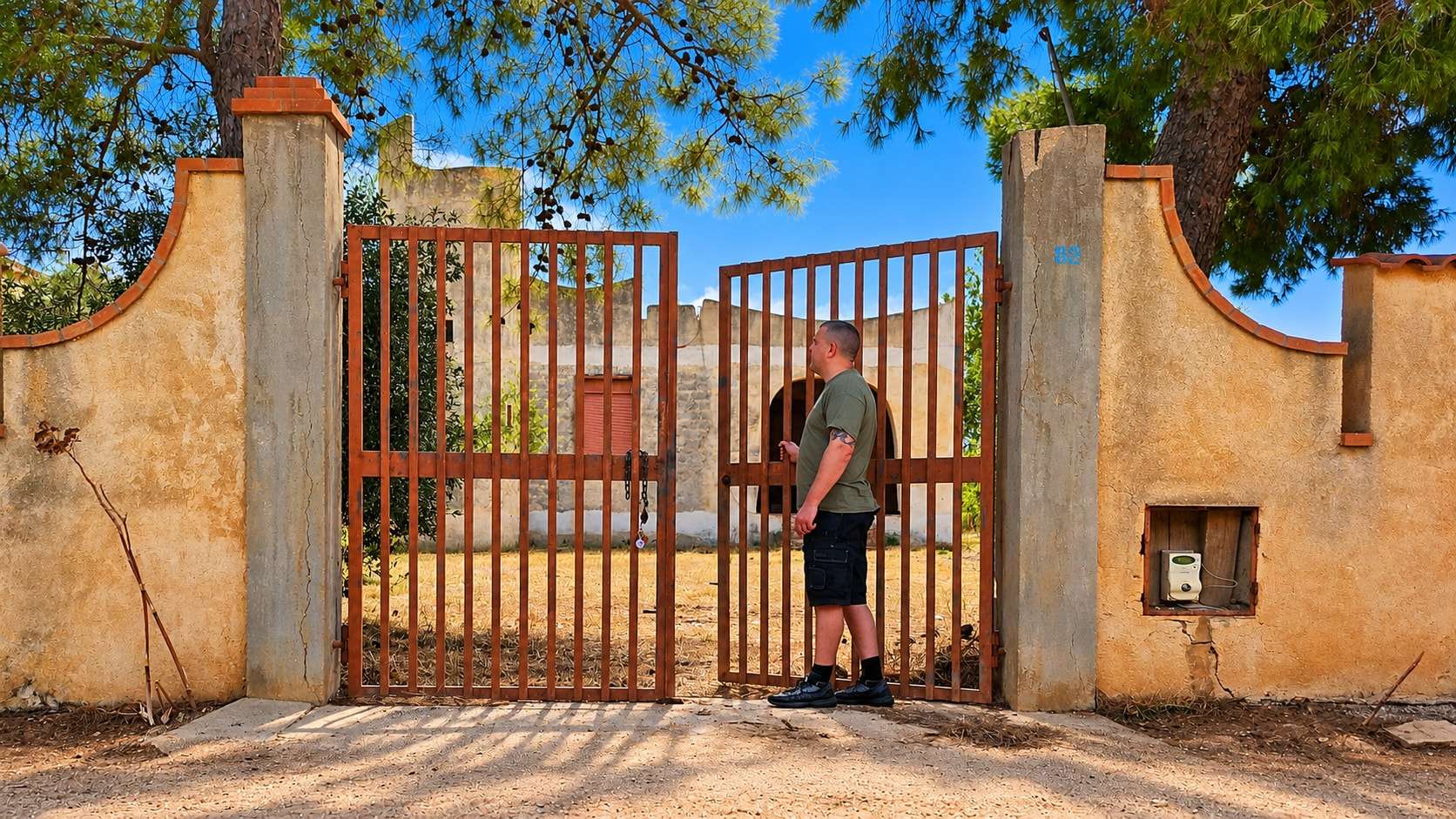
Jonathan Smith is the founder of Mekozo and Operation Sicily. Jonathan bought an abandoned villa in Sicily and is rebuilding it on camera, every week. Mekozo is the app Jonathan built to keep that renovation's money in one picture.
Real renovation experience and regional guidance from Operation Sicily.
Every cost of buying a house, from tax and legal fees to the hidden ones after you move in, and how to keep them in one list.
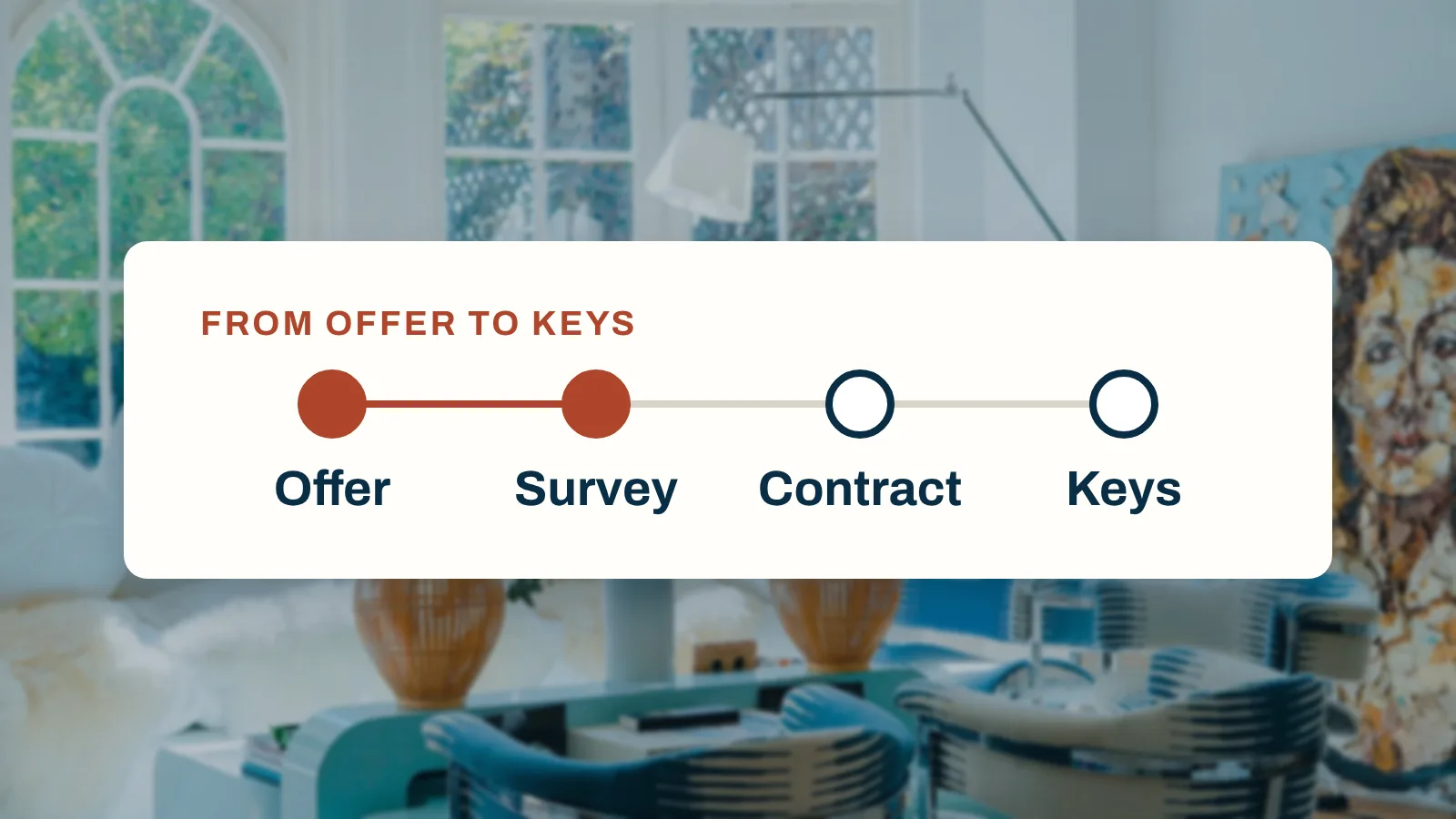
In England it takes around 120 days on average from an accepted offer to completion. Here is the timeline stage by stage, what slows each stage down and what you can control.
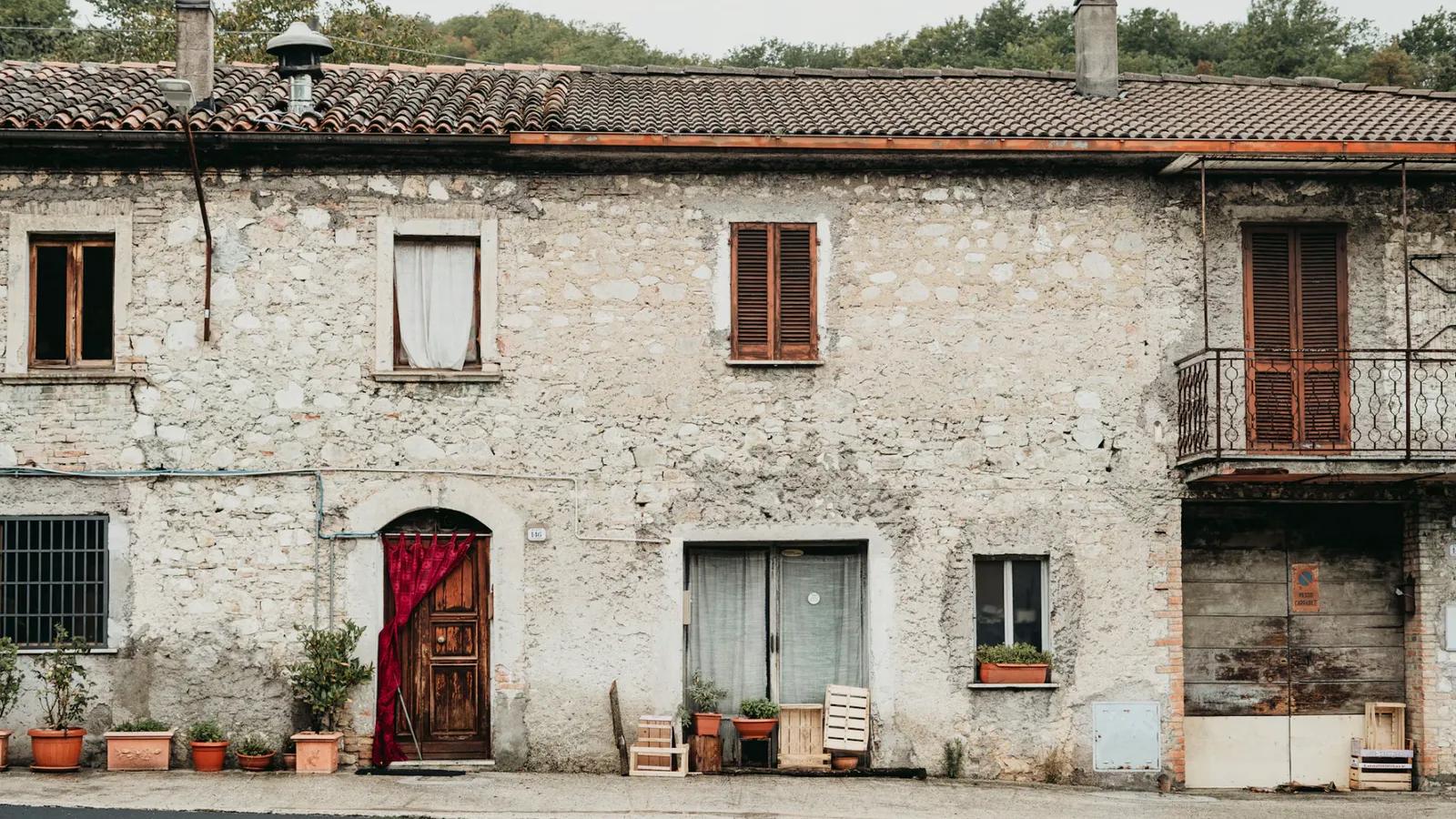
A plain guide to the steps and cost headings of buying a house in Italy, with the official Italian sources and first-hand notes from Jonathan Smith's own purchase on Operation Sicily, so you can plan the whole purchase before you sign anything binding.
Budgets, quotes, payments, documents and decisions in one place
30 days free. No card needed.
Monthly, with no annual plan. The Terms of membership set out the details.