Buying a property

How long does it take to buy a house? The timeline

In England it takes around 120 days on average from an accepted offer to completion. Here is the timeline stage by stage, what slows each stage down and what you can control.

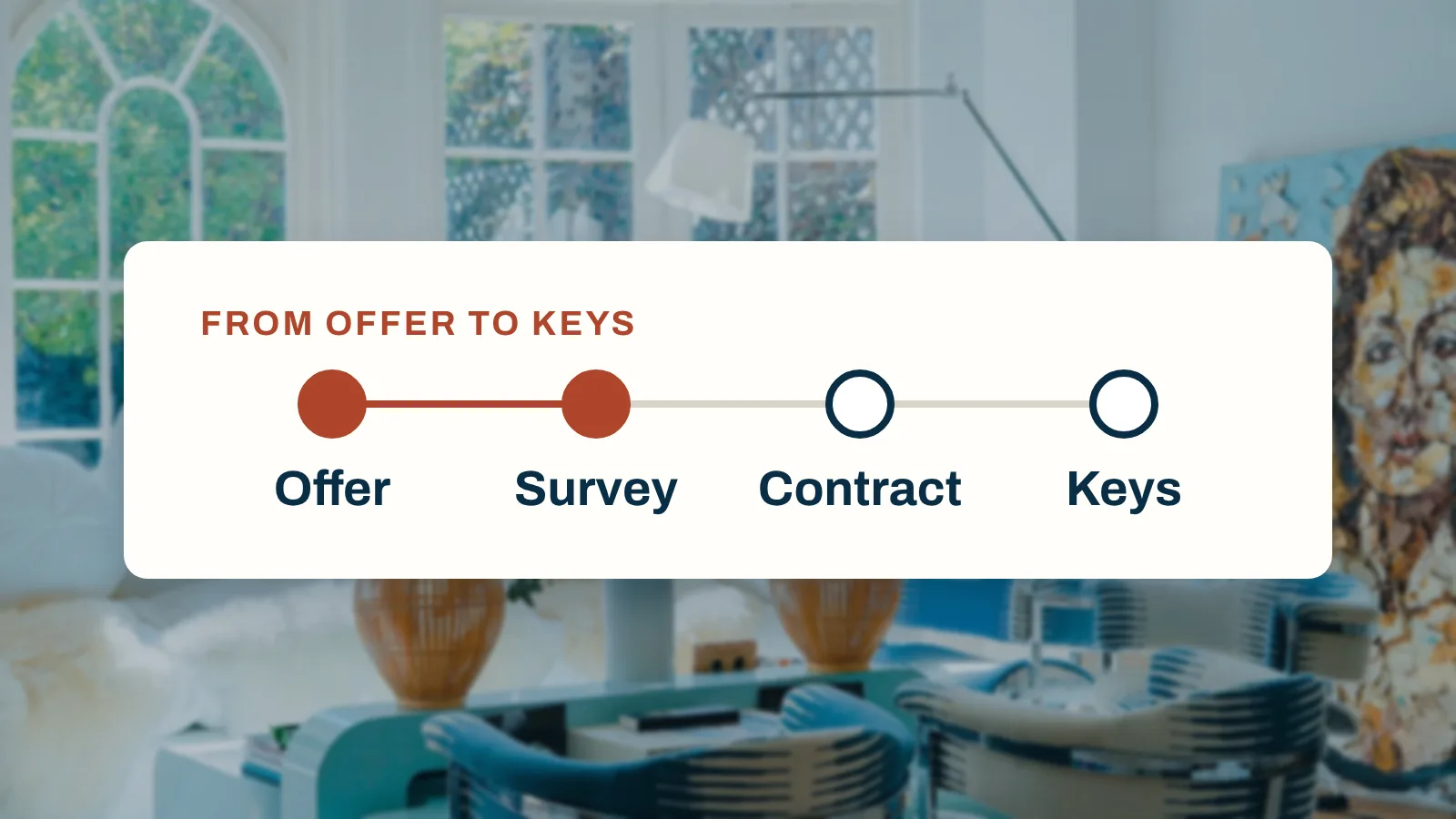
The steps from offer to keys: offer, survey, contract and keys
Contents

Key points

  • In England, buying a house takes around 120 days on average from offer accepted to completion, according to the government's June 2026 home buying and selling reform roadmap.
  • That is about four months, on top of the time spent searching and viewing.
  • The same roadmap says the journey is around 60% longer than in 2007, and around one in three transactions fall through.
  • The legal work, searches, survey and any lender checks between offer and exchange usually take longest.
  • Gathering documents early, answering enquiries quickly and keeping every step in one place helps keep a purchase moving.

In England, buying a house takes around 120 days on average from offer accepted to completion, according to the government's home buying and selling reform roadmap (June 2026). That is about four months, on top of the time spent searching and viewing.

The same roadmap says the journey is now around 60% longer than it was in 2007, and that around one in three transactions fall through.

This guide breaks those months into stages, shows what slows each one down, and what you can do to keep your own purchase moving.

The home buying timeline at a glance

StageWhat happensWho sets the pace
1. Getting readyBudget, deposit, choosing a solicitorYou
2. Searching and viewingShortlisting, viewing, comparingYou and the market
3. Offer acceptedPrice agreed, sale agreed, solicitors instructedYou and the seller
4. Legal workSearches, property information, enquiries, survey, any lender checksSolicitors, surveyor, council, any lender, the chain
5. Exchange of contractsContract becomes binding, deposit paid, completion date fixedEveryone in the chain
6. CompletionMoney moves, keys releasedSolicitors and lender
7. After completionTax return and payment, registration of ownershipYour solicitor

The government's 120-day average covers stages 3 to 6. Stages 1 and 2 are up to you, and they are where you can save the most time later.

The quickest purchases are usually prepared before the first viewing. Before you start:

  • Work out your full budget, including every buying cost, not just the price
  • Have your deposit in an account you can move money from quickly
  • If you are borrowing, know your limits early from a qualified adviser
  • Choose a solicitor or conveyancer and get their written quote
  • Gather your ID, proof of address and proof of where your deposit comes from

Tip

Solicitors, and any lender, need to check where your money comes from. Having bank statements and evidence for any gifted deposit ready can save weeks of back and forth later.

Our guide to the costs of buying a house lists every cost to include in that budget.

Stage 2: searching and viewing

There is no standard length for this stage. It depends on how clear you are about what you want, how many homes match it and how quickly they sell. A written wish list and notes from every viewing make the decision faster, because you compare homes on the same points. Our guides to questions to ask at a viewing and comparing houses you have viewed cover both.

Stage 3: offer accepted

Once the seller accepts your offer, the clock on the 120 days starts. Do three things straight away:

  1. Instruct your solicitor and send them the estate agent's memorandum of sale.
  2. Tell your lender, if you are borrowing, so its checks can start.
  3. Book your survey so it is not waiting behind the lender's valuation.

In the UK (Scotland)

The process is different. Your solicitor notes your interest and makes a formal offer by letter, the seller's solicitor replies with a "qualified acceptance", and the two solicitors then exchange letters called missives. mygov.scot explains that once the missives are accepted and both sides agree the terms, you have a binding contract. The seller also provides a Home Report before you offer.

This is the longest stage, and the one you control least. Several things run side by side:

Searches

Your solicitor orders searches covering things like local planning, roads, drainage and environmental risks. Their speed depends on the council and the search providers.

Property information and enquiries

The seller's solicitor sends forms describing the property: boundaries, alterations, fixtures and fittings, guarantees and, for a leasehold, the lease and service charges. Your solicitor raises questions on anything unclear. Each round of questions and answers can add days or weeks.

Survey

Your own survey tells you about the property's condition. If the survey finds problems, you may need quotes for repairs and a fresh conversation about the price, which takes time but is far cheaper than finding out after you own it.

Lender checks, if you are borrowing

A lender makes its own checks, including a valuation, before it confirms the loan, and your solicitor needs that confirmation before exchange. A qualified adviser can explain what applies to you.

Watch out

A chain moves at the speed of its slowest link. If your seller is also buying, their purchase has to be ready to exchange on the same day as yours. Ask early how long the chain is and whether everyone in it has a buyer and their money in place.

Stage 5: exchange of contracts

At exchange, in England and Wales, the contract becomes legally binding, you pay your deposit and the completion date is fixed. Before exchange either side can walk away; after it, pulling out has serious financial consequences. Your solicitor will usually want buildings insurance in place from exchange.

Stage 6: completion

On the agreed date your solicitor sends the money to the seller's solicitor, and the estate agent releases the keys once the seller's solicitor confirms it has arrived. Then work through a new home checklist. Completion can be the same day as exchange or weeks later, depending on what you agree.

Tip

Ask the seller for any gas safety records. Gas Safe Register recommends getting your gas appliances safety checked before you move in, and arranging a check if the seller cannot provide a record or it has been more than 12 months since the last one.

Stage 7: after completion

Two things happen after you have the keys, neither of which stops you moving in:

  • Tax on the purchase. In England and Northern Ireland, GOV.UK says the Stamp Duty Land Tax return must be sent and the tax paid within 14 days of completion, even if no tax is owed, and HMRC charges an automatic penalty and interest if you are late. In Scotland, Revenue Scotland gives 30 days from the day after the effective date for Land and Buildings Transaction Tax, and in Wales the Welsh Revenue Authority guidance gives the same 30 days for Land Transaction Tax. Your solicitor usually handles this.
  • Registering your ownership. Your solicitor applies to HM Land Registry to register you as the owner. Some applications are completed quickly and others take months, and HM Land Registry publishes its current processing times on GOV.UK, so check there for the latest figures.

What slows a purchase down

CauseWhat you can do
A long chainAsk about the chain before you offer; weigh a chain-free home more highly
Slow searchesAsk your solicitor to order them as soon as you instruct
Missing property informationAsk the agent early what the seller has ready
Survey findingsBook the survey quickly; get repair quotes fast if needed
Lender paperwork, if borrowingSend documents the day they are asked for
Leasehold informationAsk early for the lease, service charges and management pack
Your own response timesReply to every request within a day or two

How to keep your purchase moving

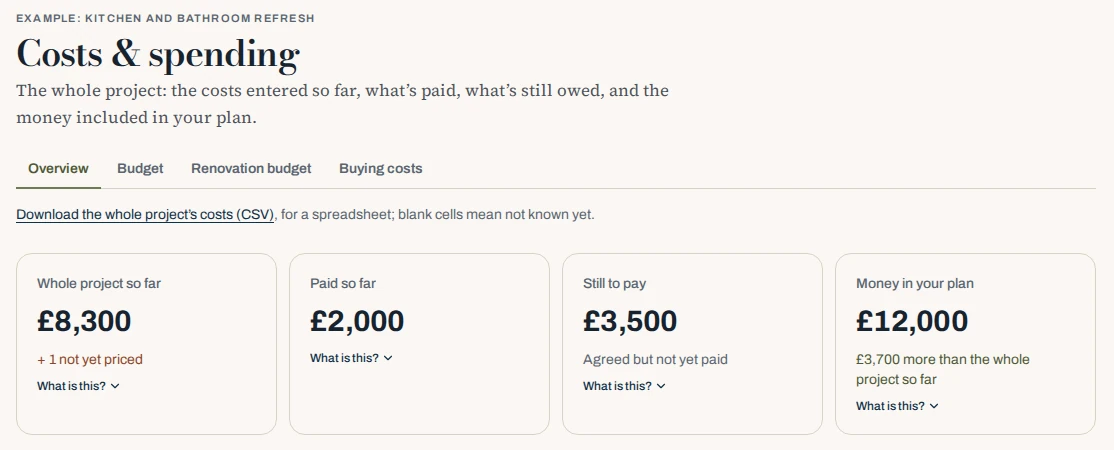
Costs & spending in Mekozo, close up: whole project £8,300 plus one unpriced item, paid £2,000, still to pay £3,500, £12,000 in the plan

Mekozo's Costs & spending view adds every buying cost to one total and shows what is paid and what is still to pay as completion gets closer.

Try it free for 30 days, no card needed

You cannot control the council, the lender or the chain. You can control how quickly your part moves and how well you can see what is waiting.

  1. List every step with an owner. Searches: solicitor. Survey: you. Lender documents, if borrowing: you.
  2. Keep every document in one place. ID, bank statements, the memorandum of sale, survey, any loan offer and contract.
  3. Track every cost against the step it belongs to. Survey fee, legal fees, any lender fees, tax and removals fall due at different times.
  4. Chase on a set day. A short weekly email to your solicitor, asking what is outstanding and who it is waiting for, keeps things moving without being a nuisance.
  5. Plan the move around exchange, not before. Until contracts are exchanged, the completion date is not fixed.

On the Operation Sicily villa

From the villa in Sicily. Jonathan Smith, Mekozo's founder, spent three months travelling the coast and made more than 50 viewings before he found his villa, as he describes in Episode 8 of Operation Sicily, where he films the renovation. The legal part then moved much faster than he expected. Coming from the UK, he had prepared for a slow process, but the sale completed in under six weeks from agreeing the price to signing the final deed at the notary. He puts that down to a clean legal position, a professional notary and two motivated parties, and notes that his Italian tax code, the codice fiscale, had to be in place first (the real timeline of the villa). The lesson for any country: the search takes as long as you let it, and the legal stage goes fastest when the paperwork is ready before anyone asks for it. Italian rules and timings differ from the UK's.

Playing loads YouTube’s external player.

Watch directly on YouTube ↗

Before you set a moving date

  • Contracts exchanged and completion date confirmed in writing
  • Buildings insurance arranged from the date your solicitor advises
  • Money for completion and tax in place with your solicitor
  • Removals booked for the completion date
  • Gas safety record from the seller, or a check booked

For the rest of the buying journey, see our guide to the buying process, from offer to keys, our buying a house checklist and our moving house checklist. To keep every cost of the purchase together, see how Mekozo keeps every buying cost in one list.

This guide explains the general process. It is not legal or financial advice; your solicitor or conveyancer can tell you what applies to your purchase.

Questions people ask

How long does it take to buy a house in the UK?

In England, the government's home buying and selling reform roadmap, published in June 2026, says it takes around 120 days on average to complete once an offer is accepted. That is about four months, on top of the time spent searching and viewing. Chains, mortgage delays and slow paperwork can make it longer.

What is the longest part of buying a house?

The legal work between an accepted offer and exchange of contracts usually takes longest. It covers searches, the seller's property information, questions between the solicitors, the survey and any lender checks, and it moves only as fast as the slowest party in the chain.

Can you buy a house in a month?

It is possible when there is no chain, the buyer's money is ready, and both sides have their paperwork in order, but it is not typical. The government's 120-day average is a more realistic planning figure for England.

Why do house purchases fall through?

Common reasons are problems found by the survey or the searches, a mortgage that does not come through, someone else in the chain pulling out, or a buyer or seller changing their mind before contracts are exchanged. The government's June 2026 roadmap says around one in three transactions fall through.

How long after exchange is completion?

The completion date is agreed between buyer and seller and fixed when contracts are exchanged. It can be the same day or several weeks later. Once you have exchanged in England and Wales, the contract is binding and the date is set.

Sources

  1. Ministry of Housing, Communities and Local Government, Home buying and selling reform roadmap · Published 19 June 2026
  2. HM Land Registry, Processing times · Updated 30 October 2026
  3. mygov.scot, Making an offer (Buying a home: the legal process) · Checked 18 November 2026
  4. GOV.UK, Stamp Duty Land Tax · Checked 18 November 2026
  5. GOV.UK, Penalties and interest on a late Stamp Duty Land Tax return · Checked 18 November 2026
  6. Revenue Scotland, LBTT4004: Duty to make an LBTT return · Checked 18 November 2026
  7. Welsh Government, Land Transaction Tax returns and payments: technical guidance · Checked 18 November 2026
  8. Gas Safe Register, Gas safety information for home buyers and sellers · Checked 18 November 2026
  9. Operation Sicily, The real timeline of a Sicilian villa renovation · Checked 18 November 2026
  10. Operation Sicily, Episode 8: Why I bought a villa in Trapani, Sicily · Checked 18 November 2026
Jonathan Smith opening the gate of the villa in Sicily

About the author:

Jonathan Smith is the founder of Mekozo and Operation Sicily. Jonathan bought an abandoned villa in Sicily and is rebuilding it on camera, every week. Mekozo is the app Jonathan built to keep that renovation's money in one picture.

Related from Operation SicilyThe real timeline of a Sicilian villa renovation

Real renovation experience and regional guidance from Operation Sicily.

Blog

Related reading

A narrow old street of peach-coloured houses with green shutters in a southern French town
Buying a property

Buying a property abroad: costs and documents under control

Buying abroad means a different legal system, a different language and costs you will not meet at home. The checks to make before you pay anything, every cost to budget, the documents to keep and how to stay in control when you are not there.

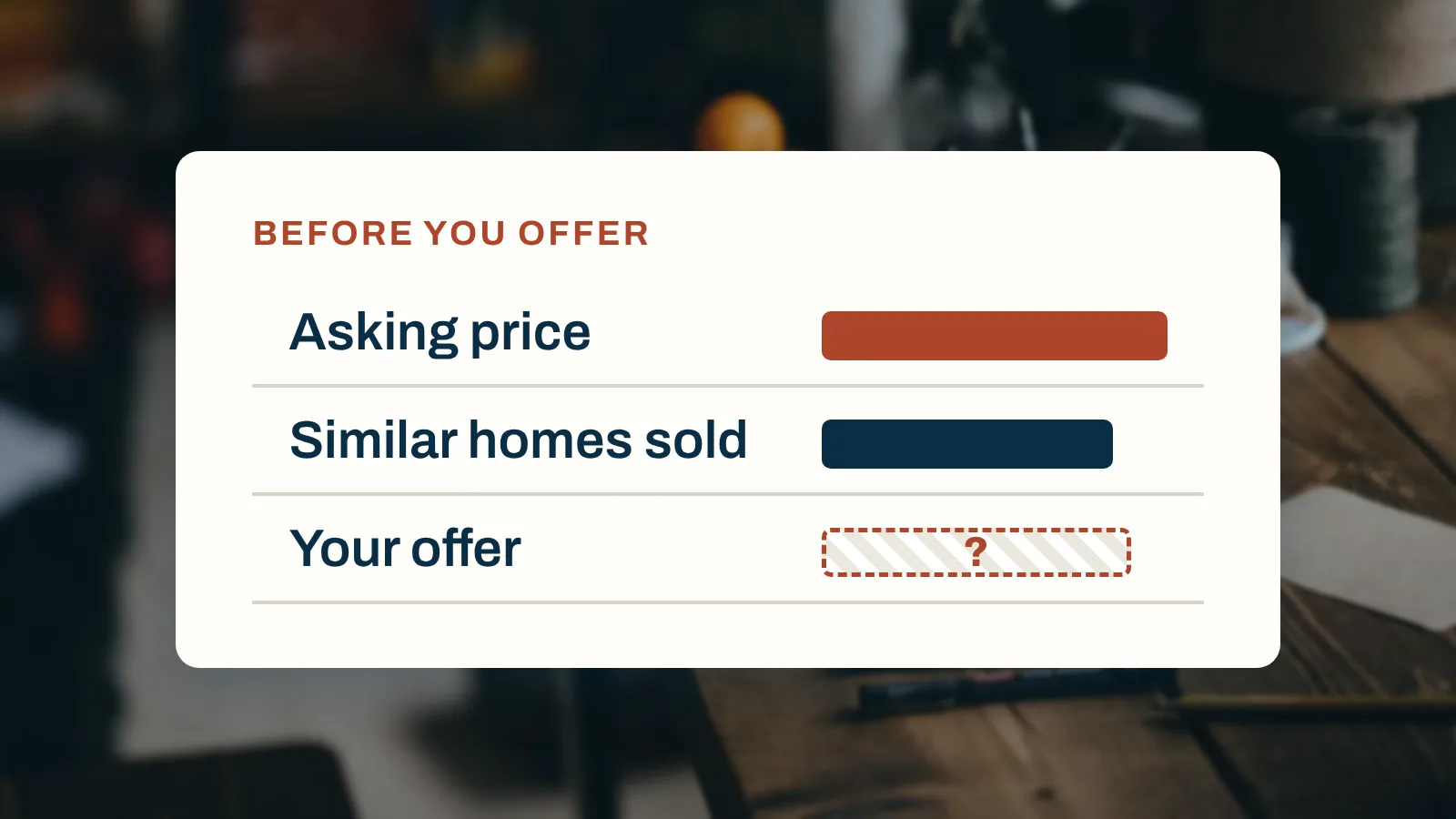
Before you offer: the asking price, what similar homes sold for and your offer still to decide
Buying a property

How much to offer on a house, including one that needs work

The asking price is where the seller starts, not what the house is worth. How to research sold prices, set your maximum before you negotiate, work out an offer on a house that needs work from the cost of the work, and put your offer in writing.

All Blog posts →

Bring the whole picture home.

Budgets, quotes, payments, documents and decisions in one place

30 days free. No card needed.

Monthly, with no annual plan. The Terms of membership set out the details.