Check the property condition during a viewing
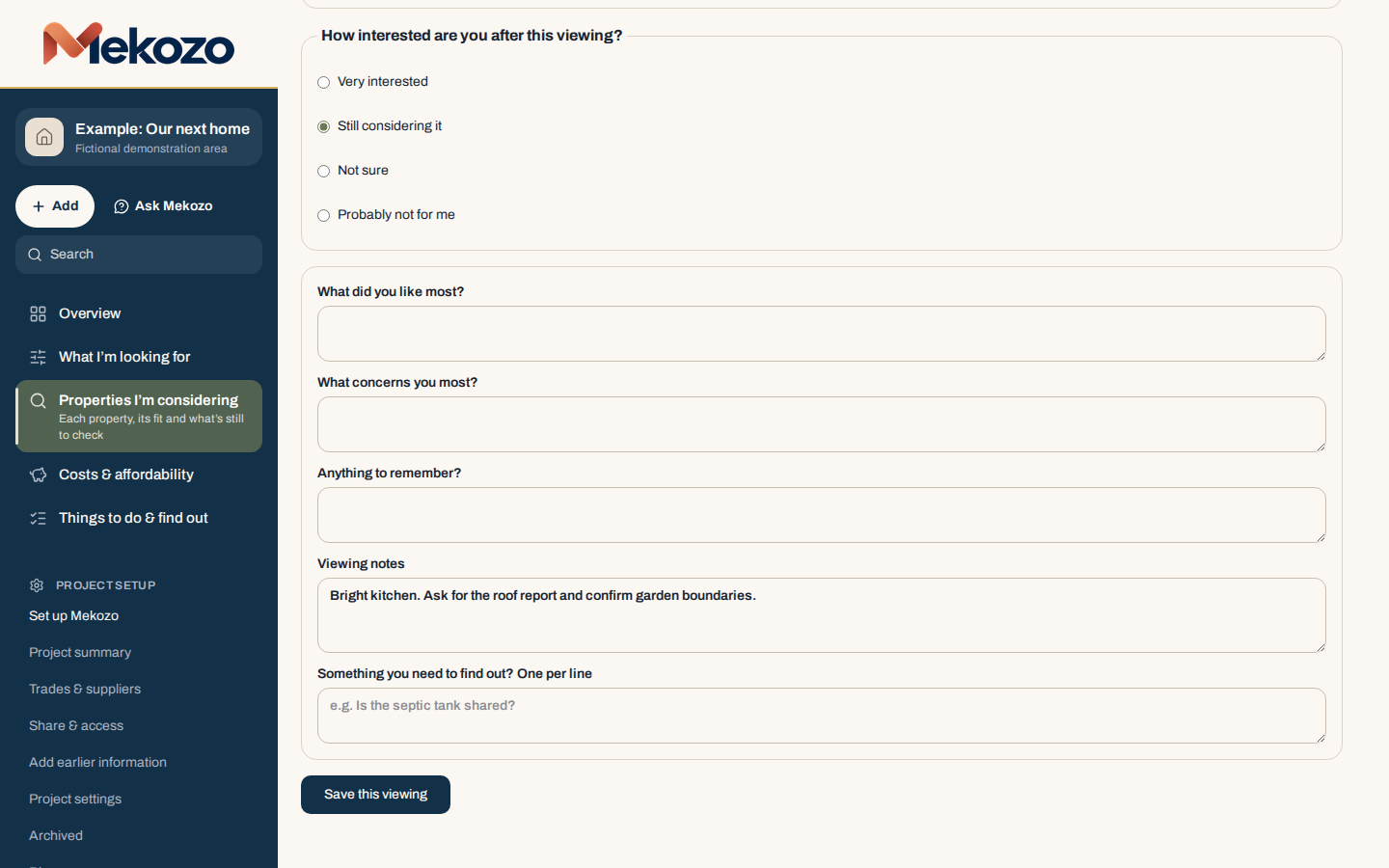
Viewing checklist in Mekozo: damp, cracks, roof and windows, with optional notes
Open full screenshot

“How do we choose a home without losing sight of what we need?”
Compare the possibilities against your priorities and budget.
Try Mekozo free30 days free. No card needed.
Choosing a property starts long before an offer. It is the stretch of listings, viewings, second viewings and late-night conversations where a shortlist slowly forms. It is exciting, and it is also where the most expensive decisions are quietly made, because the home you choose sets the price, the work and the compromises you will live with for years.
A beautiful view can make the compromises feel smaller. A tidy kitchen can distract from a roof that needs attention. And after the fifth viewing, details from different houses start to blur together. The work at this stage is to stay clear about what you need while the possibilities pile up.
In practice that means four things. You decide what you are looking for and how much you can spend on the whole project. You view properties with a plan, so you come away with the same information from each one. You compare them fairly, side by side. And you keep a list of what you still need to find out, so that nothing important is left to memory or a message thread.
The most useful thing you can write at this stage is a short brief. Separate what you would not buy without from what is important, what would be nice and what you do not want. Keep the must-haves few. If everything is essential, no home will ever match, and you will start bending the rules for the one you like.
Write one compromise down too: the thing you are genuinely willing to give up. It makes later decisions calmer, because you have already thought about the trade-off before you are standing in a lovely garden.
A property that looks affordable on paper may bring buying costs, renovation work and a longer period of living somewhere else. Two homes at the same asking price can end up thousands apart once those are counted. Before you fall for one, build a rough whole-project figure: the price, the costs of buying, the work it needs, and any rent or storage while the work happens. Rough figures are fine. A missing cost is the problem, not an imprecise one.
Every viewing raises questions: how old is the boiler, where is the boundary, what did the survey on the roof say. Some of those answers can change the price you would pay or the work you would take on. Give each one a home and an owner. An unknown deserves a question, not a guess.
A home that needs work can be good value, or it can be a project that outgrows your money and your patience. Be honest about how much renovation you want, and price the essential work before you judge whether a cheaper property is really cheaper. If you are looking at an older or neglected house, get the right professional inspection before you commit; Mekozo does not replace a survey.
Before a viewing, GOV.UK lets you find a home's energy certificate, check its long-term flood risk and look up its council tax band.
Mekozo keeps a property search in one place, from the first listing to the offer. Everything below is part of a search project.
Mekozo was built by Jonathan Smith while he renovated a villa in Sicily, filmed on Operation Sicily.
The same steps, plus local taxes, a notary and paperwork in another language. Read the cost guides for Spain, France, Italy and Portugal.
When you are ready to set it up, the help guides walk you through it: compare properties without losing your priorities and build a whole-project budget. Found the one? Move on to buying a property.
There is no right number. What matters is that you judge each home against the same written priorities and the same full cost, and keep notes from every viewing, including the ones you rule out.
Yes. A brief written before the first viewing stops you shaping your priorities around the house you liked most. Keep must-haves to the few things you would not buy without.
Check both against the same brief, the same list of costs and the same viewing questions. Where you do not know something about one of them, write it down as a question rather than assuming it matches.
No. Mekozo organises your brief, viewings, comparisons and cost estimates so you can decide with the facts in front of you. It does not value property or replace a survey, and legal or financial questions belong with a qualified adviser.
Viewing checklist in Mekozo: damp, cracks, roof and windows, with optional notes
Open full screenshotViewing notes for a house in Mekozo: roof report and garden boundary questions
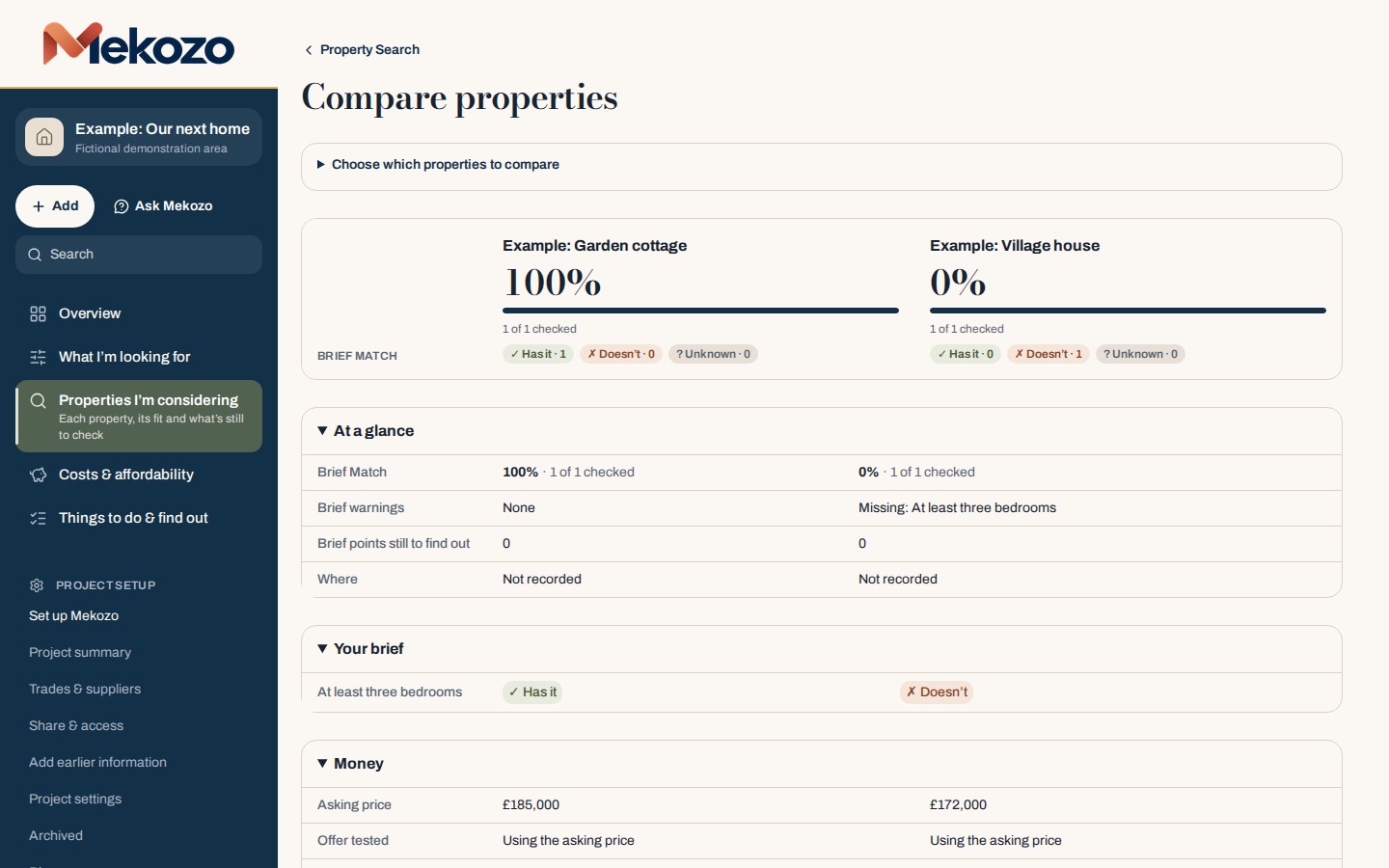
Open full screenshotTwo example properties compared against a three-bedroom brief: one matches, one has a recorded compromise
Open full screenshot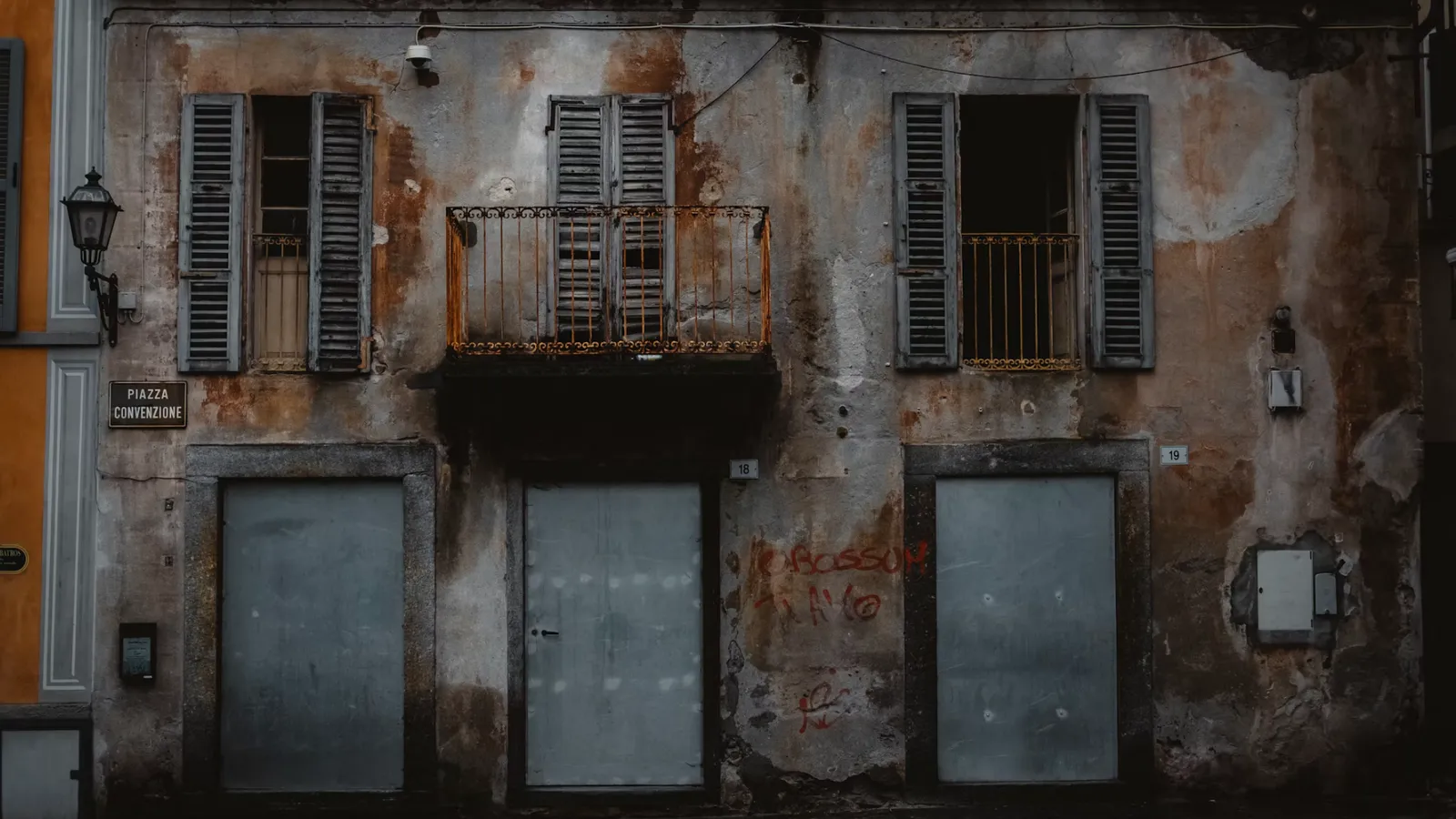
A 1 euro house in Italy comes with a deposit, a notary, taxes on the deed, design and permits, and a renovation with a deadline. Every cost heading, a method to budget one, and the official sources to check.
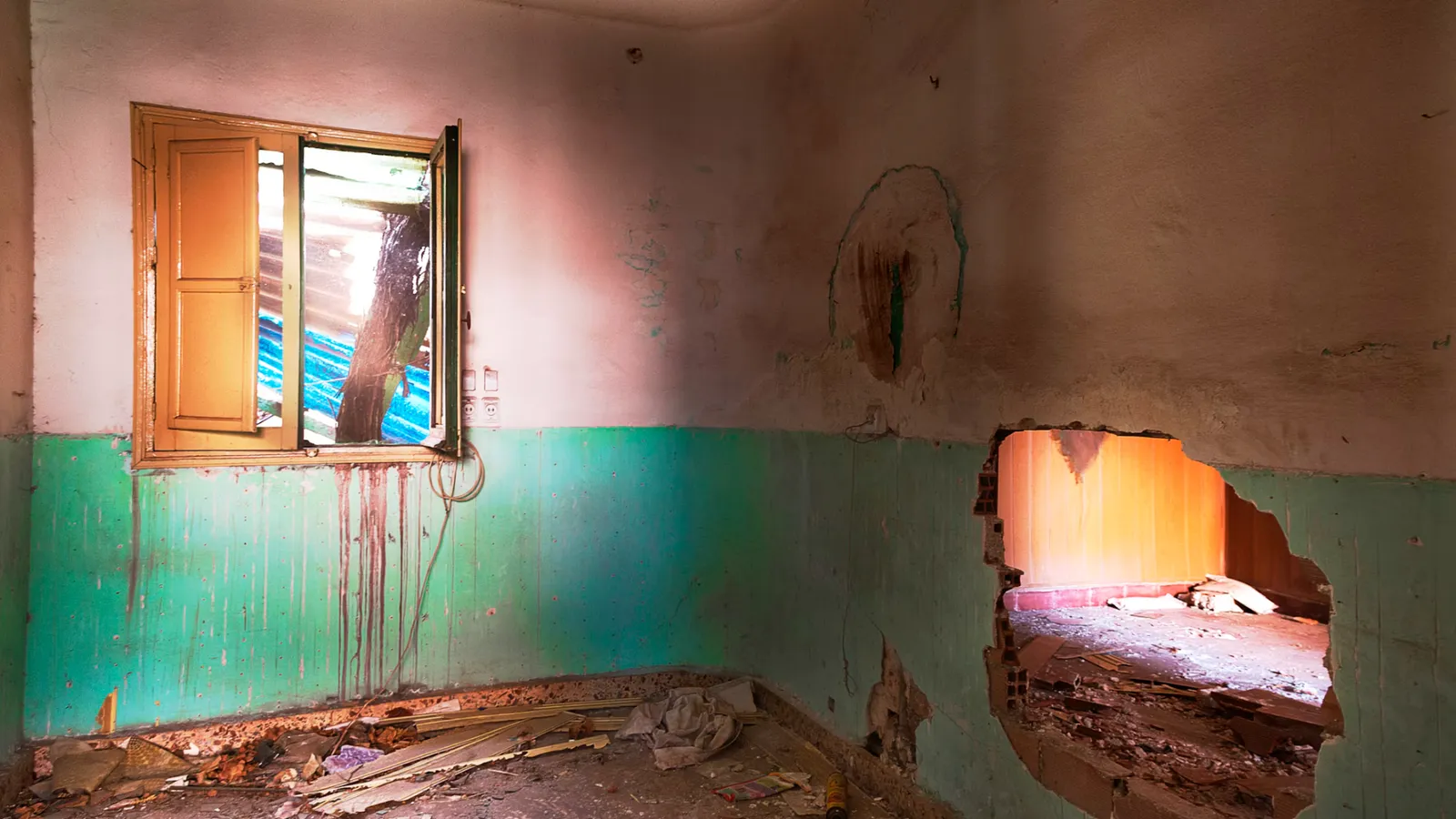
A house that needs work is only a bargain if the price reflects the work. A step-by-step method to price a fixer-upper before you offer, what to check first and how to decide whether to buy, renovate or walk away.
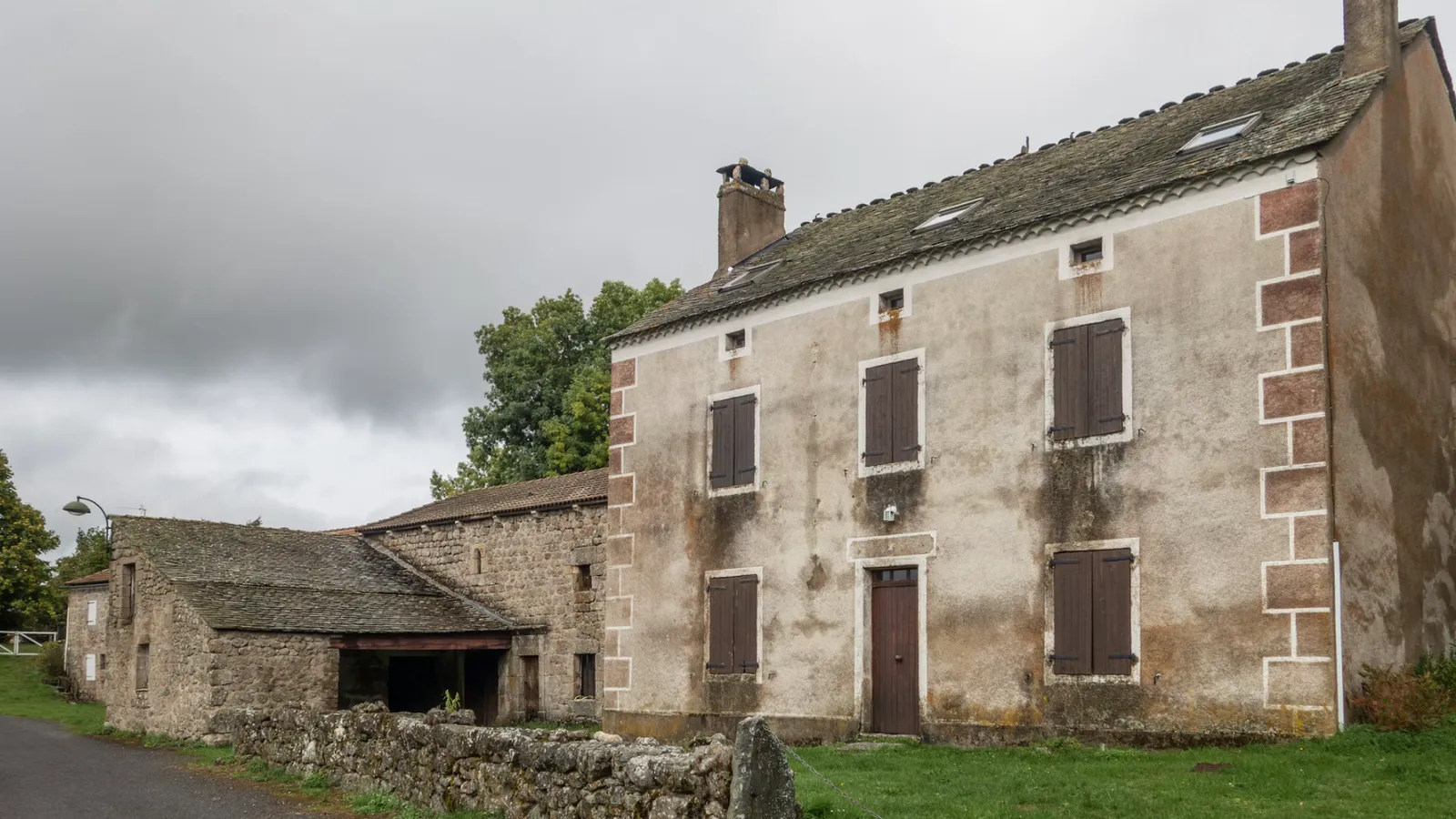
A plain guide to the steps and cost headings of buying a house in France, with the official French and UK sources for each one, so you can plan the whole purchase before you sign anything binding.
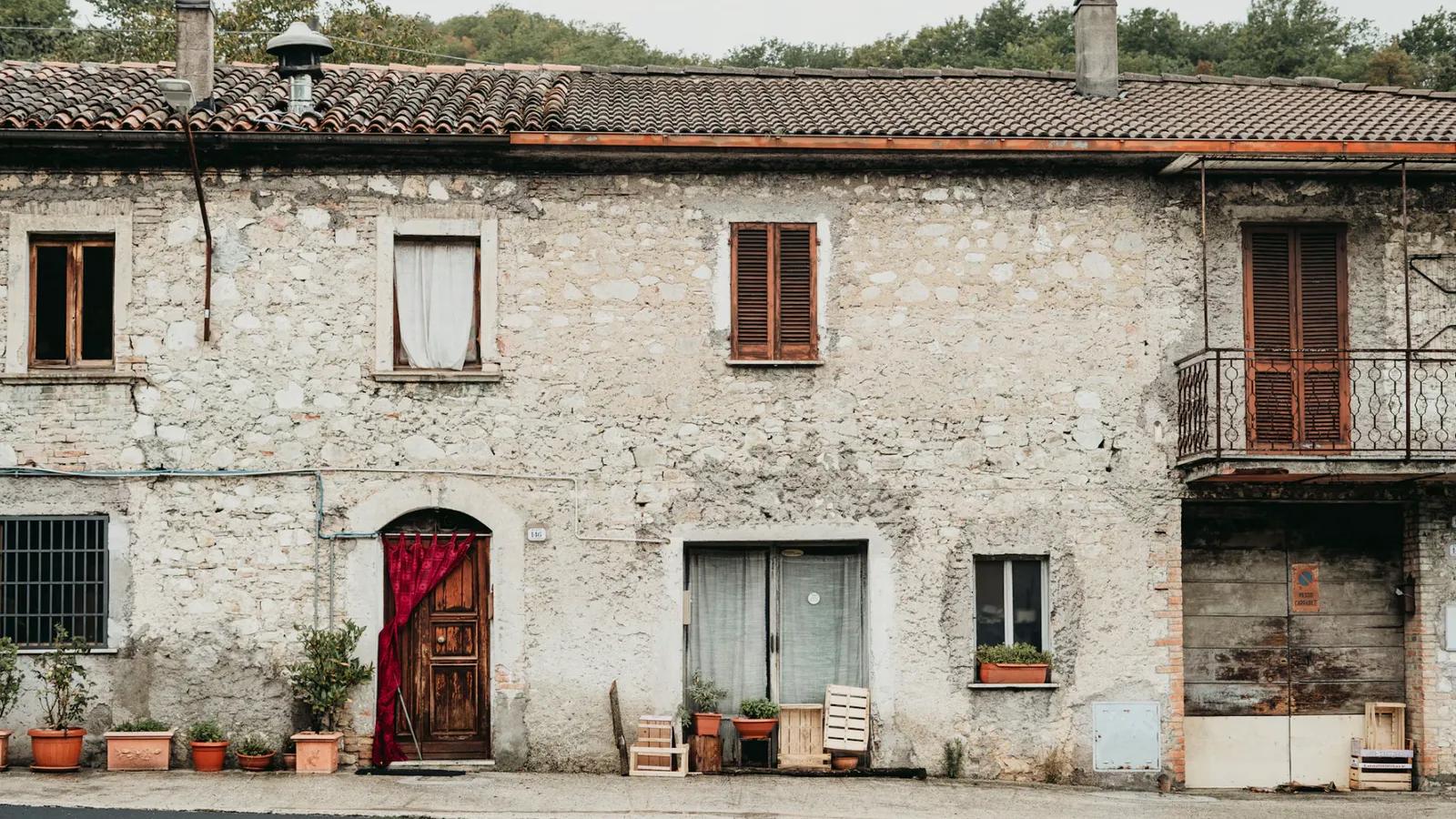
A plain guide to the steps and cost headings of buying a house in Italy, with the official Italian sources and first-hand notes from Jonathan Smith's own purchase on Operation Sicily, so you can plan the whole purchase before you sign anything binding.
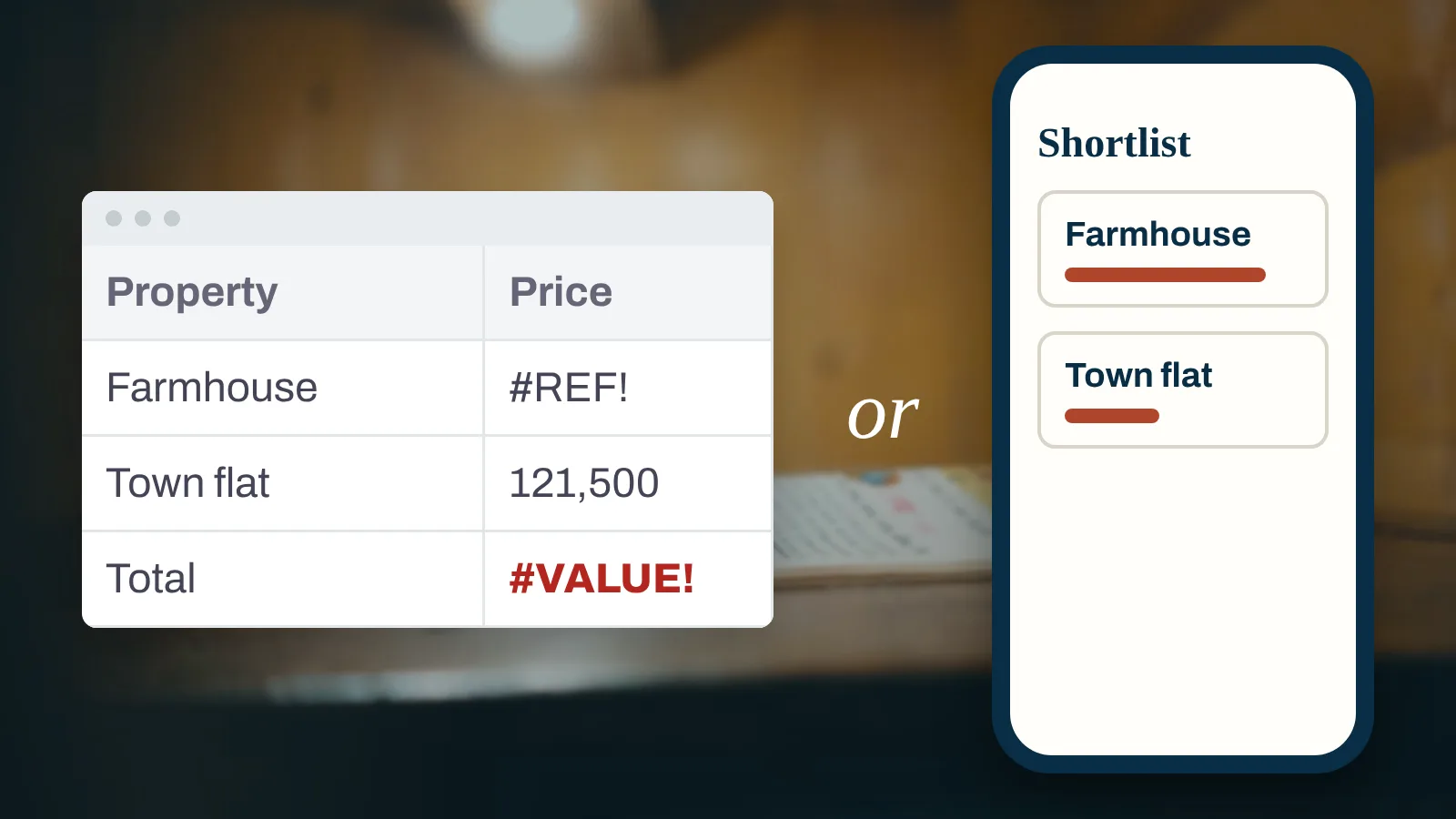
A spreadsheet or an app can both keep a house search organised, if they track the right things. Here is what to record for every home, how to set up a spreadsheet, and what a good house hunting tool should do.

A plain guide to the steps and cost headings of buying a house in Portugal, with the official Portuguese and UK sources for each one, so you can plan the whole purchase before you sign anything binding.
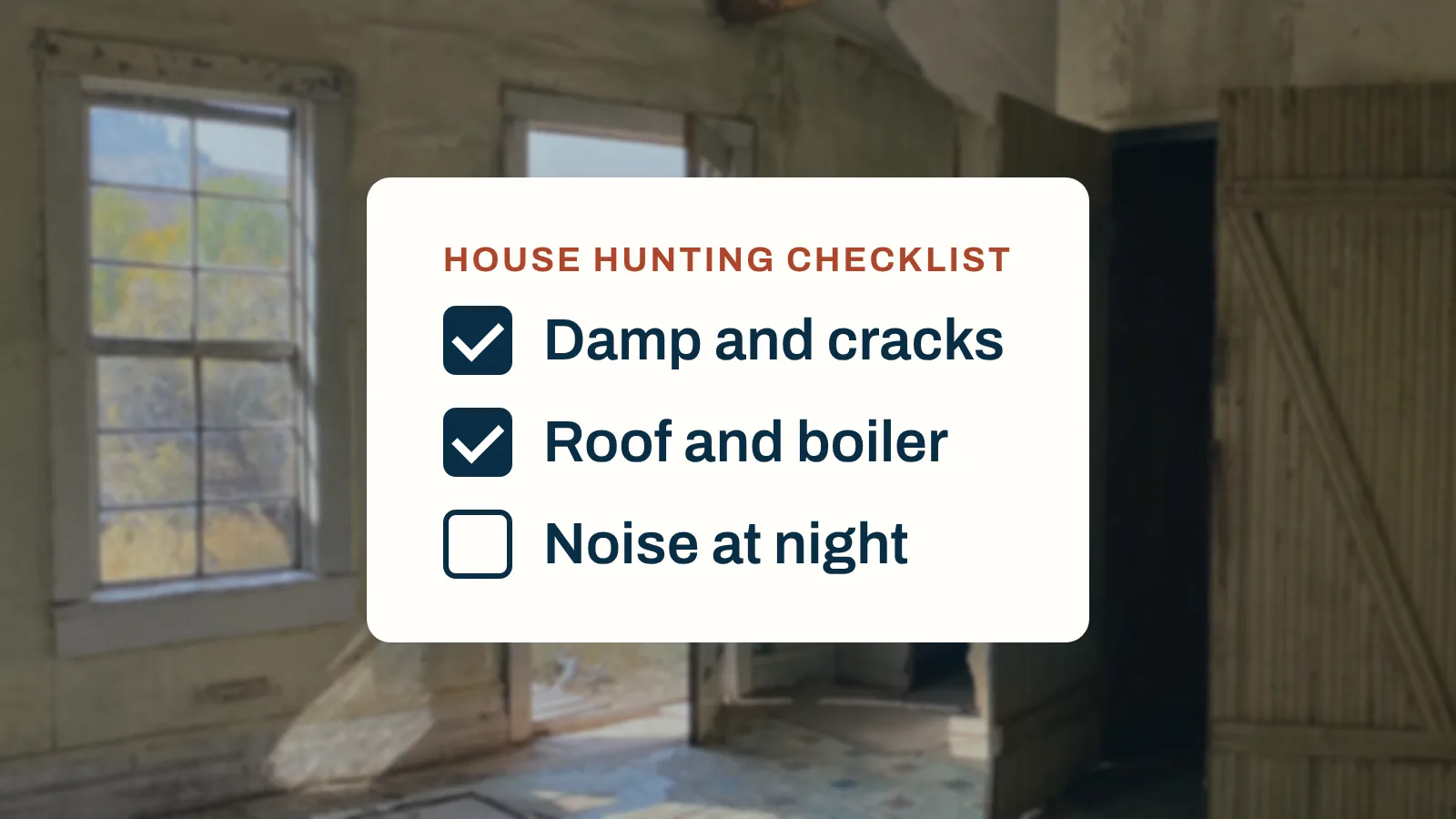
Every step of a house hunt in order, from setting the whole-project budget and writing a wish list to viewings, comparisons and the checks to make before you offer, as one checklist you can work through.

A plain guide to the steps and cost headings of buying a house in Spain, with the official Spanish sources to check each one, so you can plan the whole purchase before you commit.
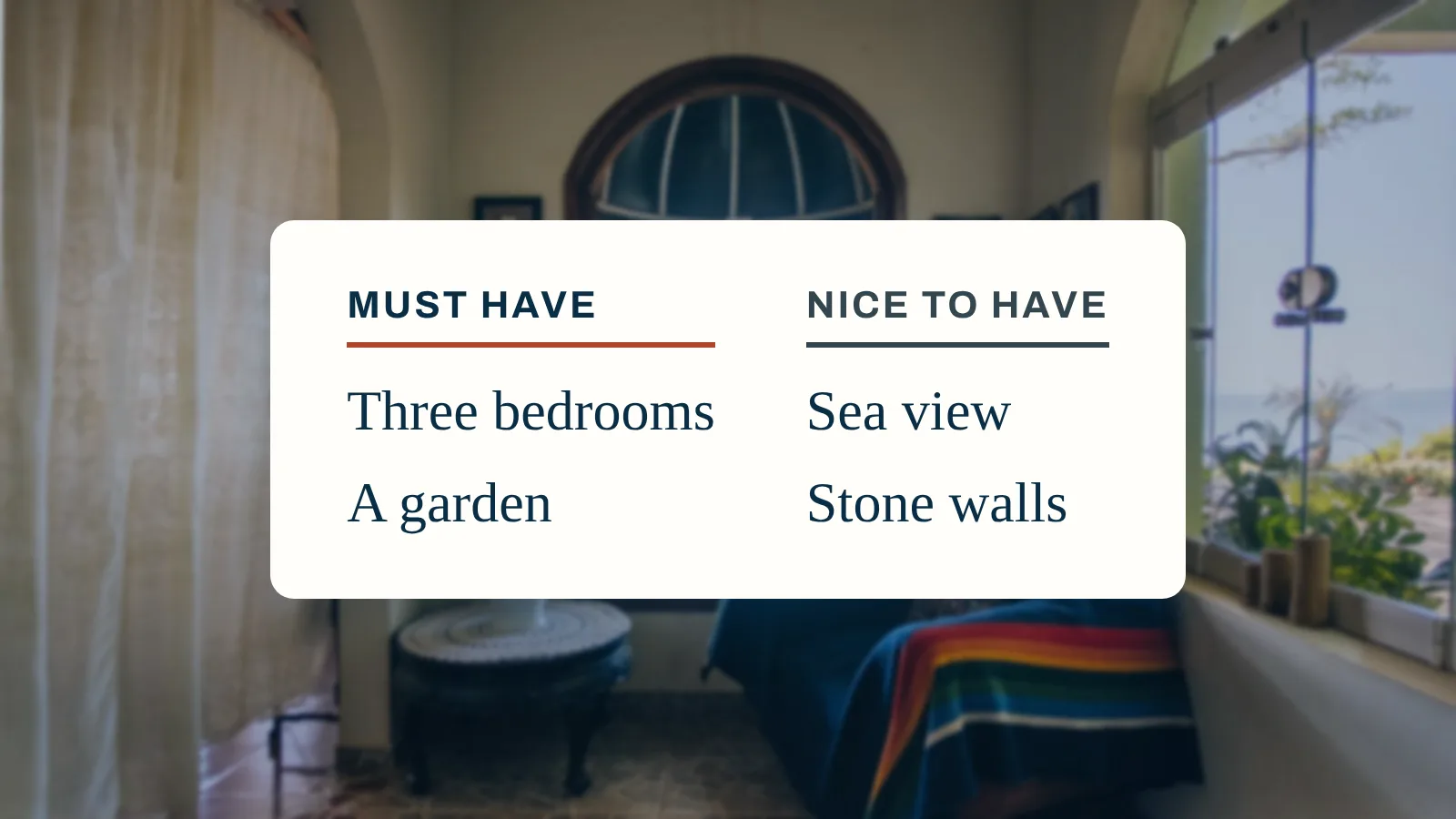
A step-by-step way to write a house wish list, with the four categories that keep it honest, a dream home checklist to start from and how to use it at every viewing.
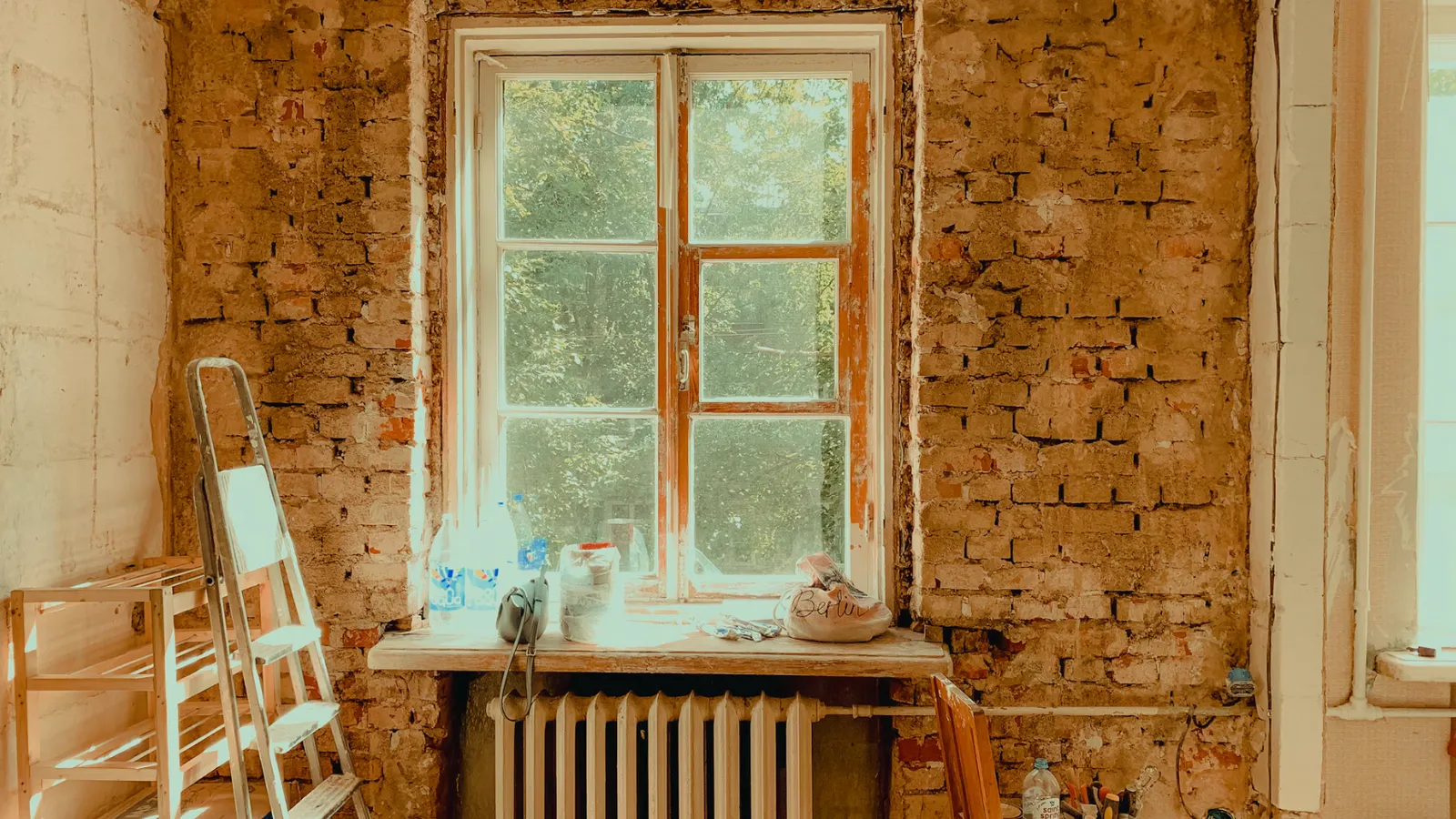
A house survey tells you about a home's condition before you commit. Which RICS level to book, what it covers and leaves out, a checklist to use alongside it, and how to act on the report.
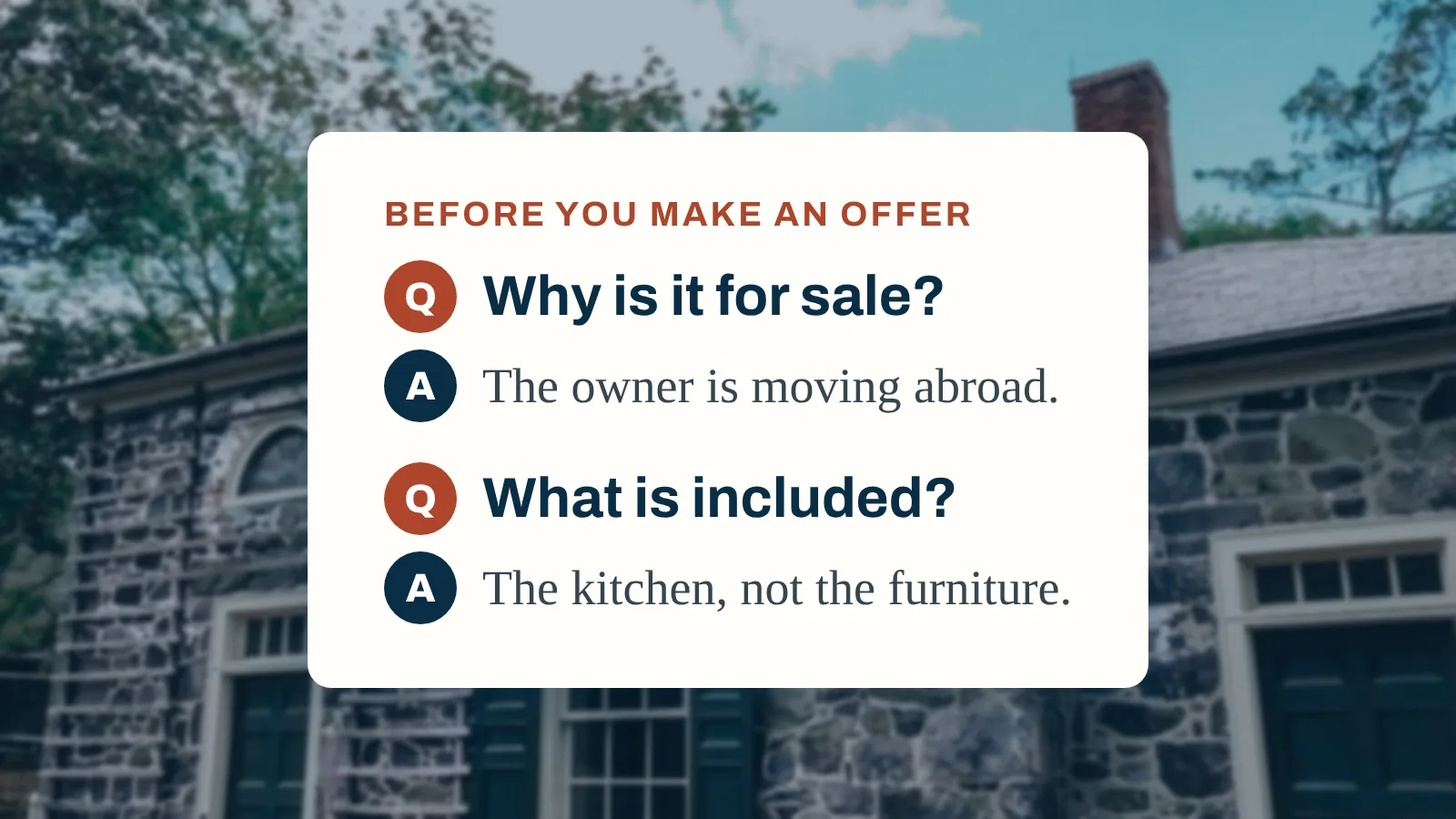
The questions that matter across the whole purchase, from the first viewing to the binding contract, grouped by who can answer them, with a checklist you can reuse for every house.
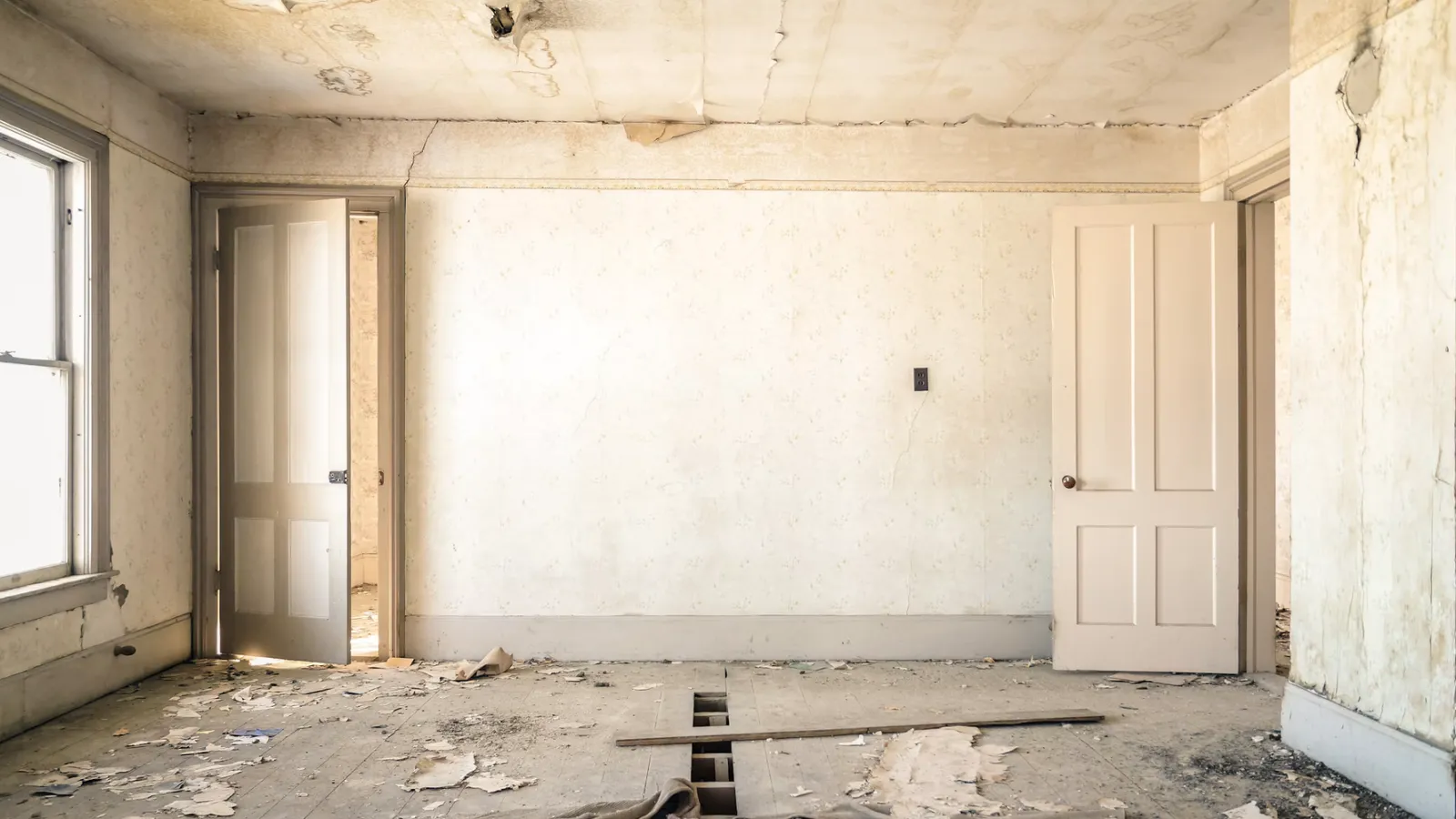
Old houses are built differently from modern ones. What to check element by element, which permissions to confirm, the survey to ask for and how to turn what you find into a budget before you offer.
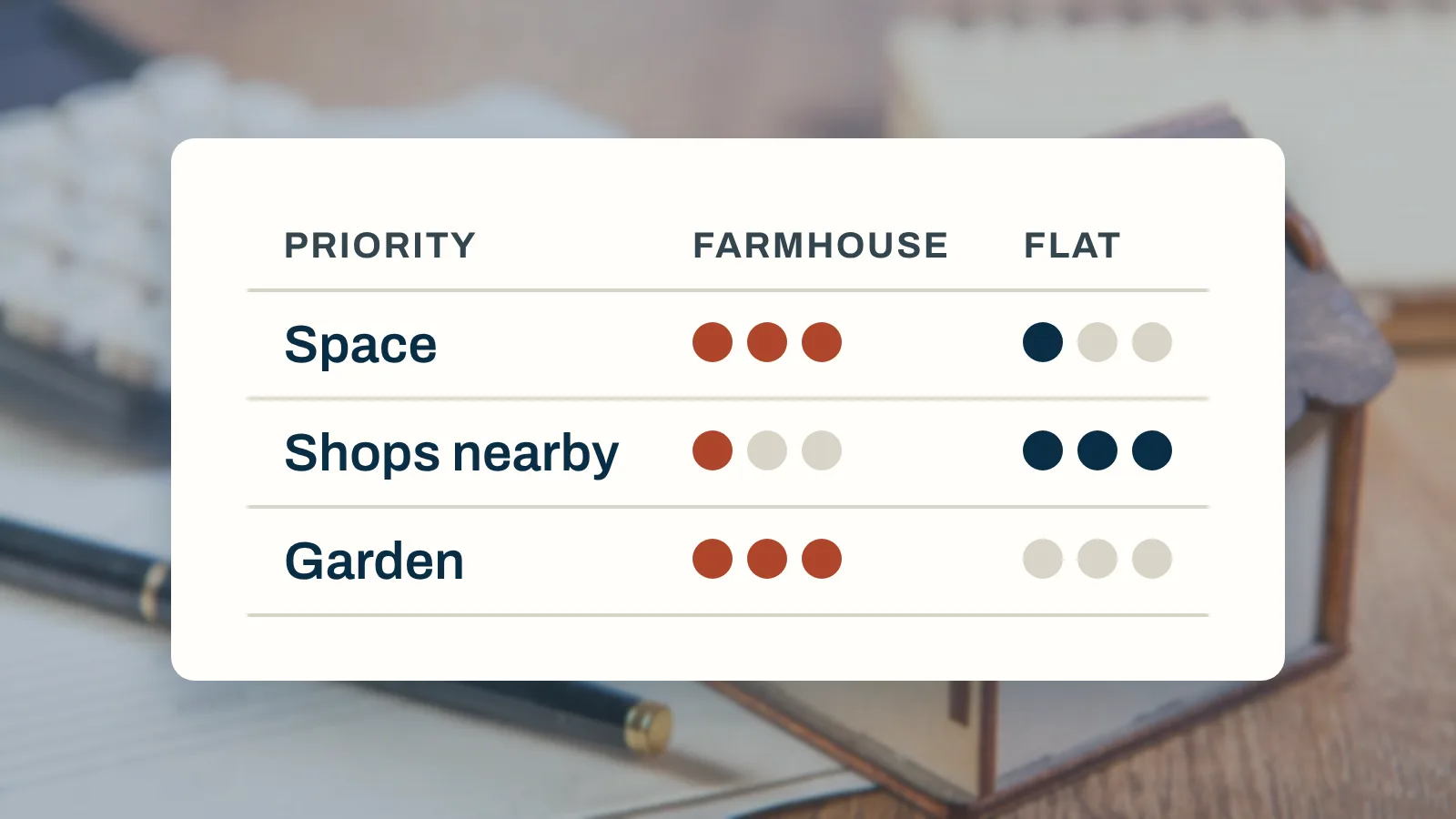
Score every house against the same wish list, put the full cost beside it, and make the trade-off visible before you offer.
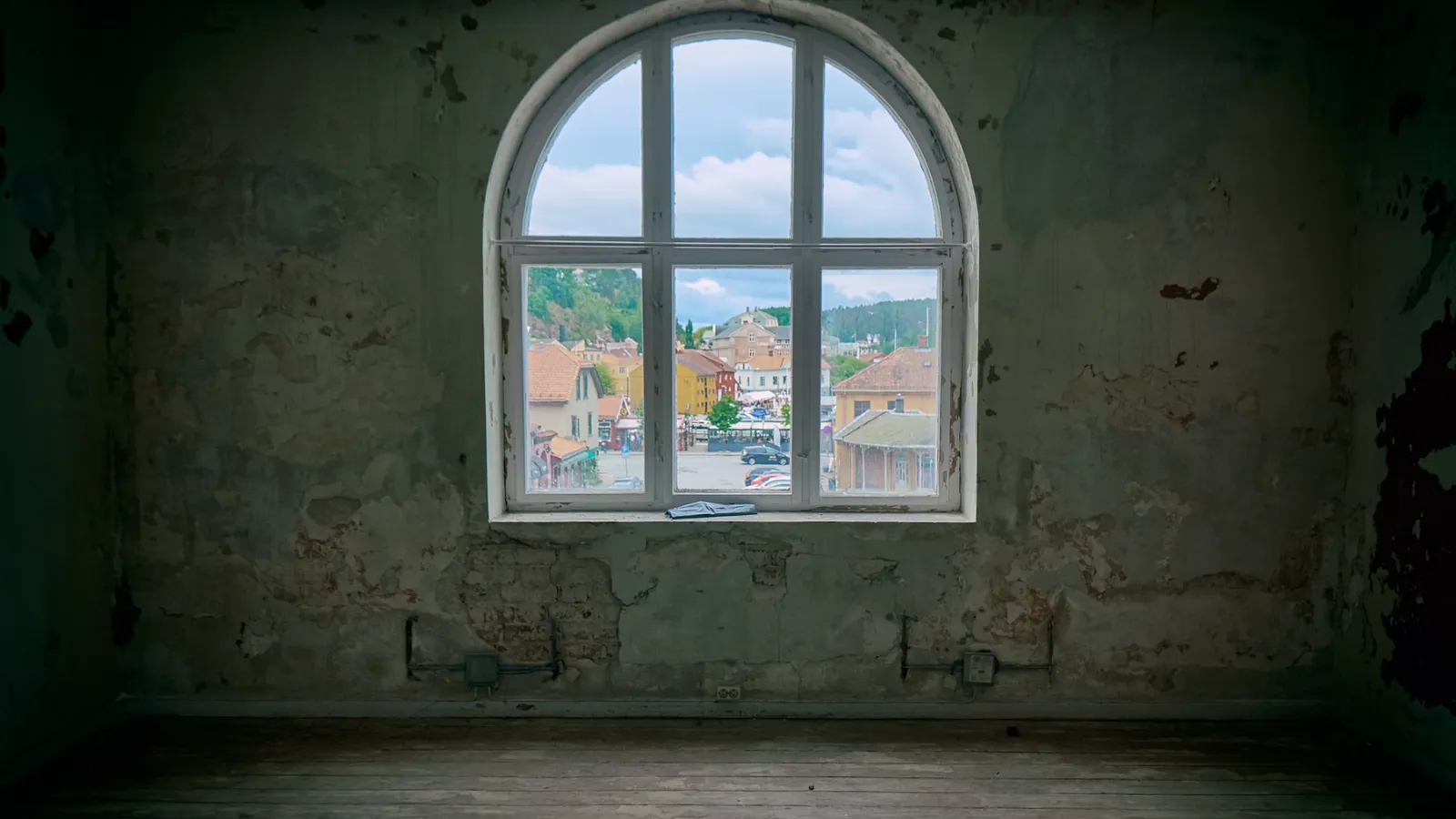
What to ask, what to look at and how to record every viewing the same way, so you can compare homes fairly afterwards.
Budgets, quotes, payments, documents and decisions in one place
30 days free. No card needed.
Monthly, with no annual plan. The Terms of membership set out the details.