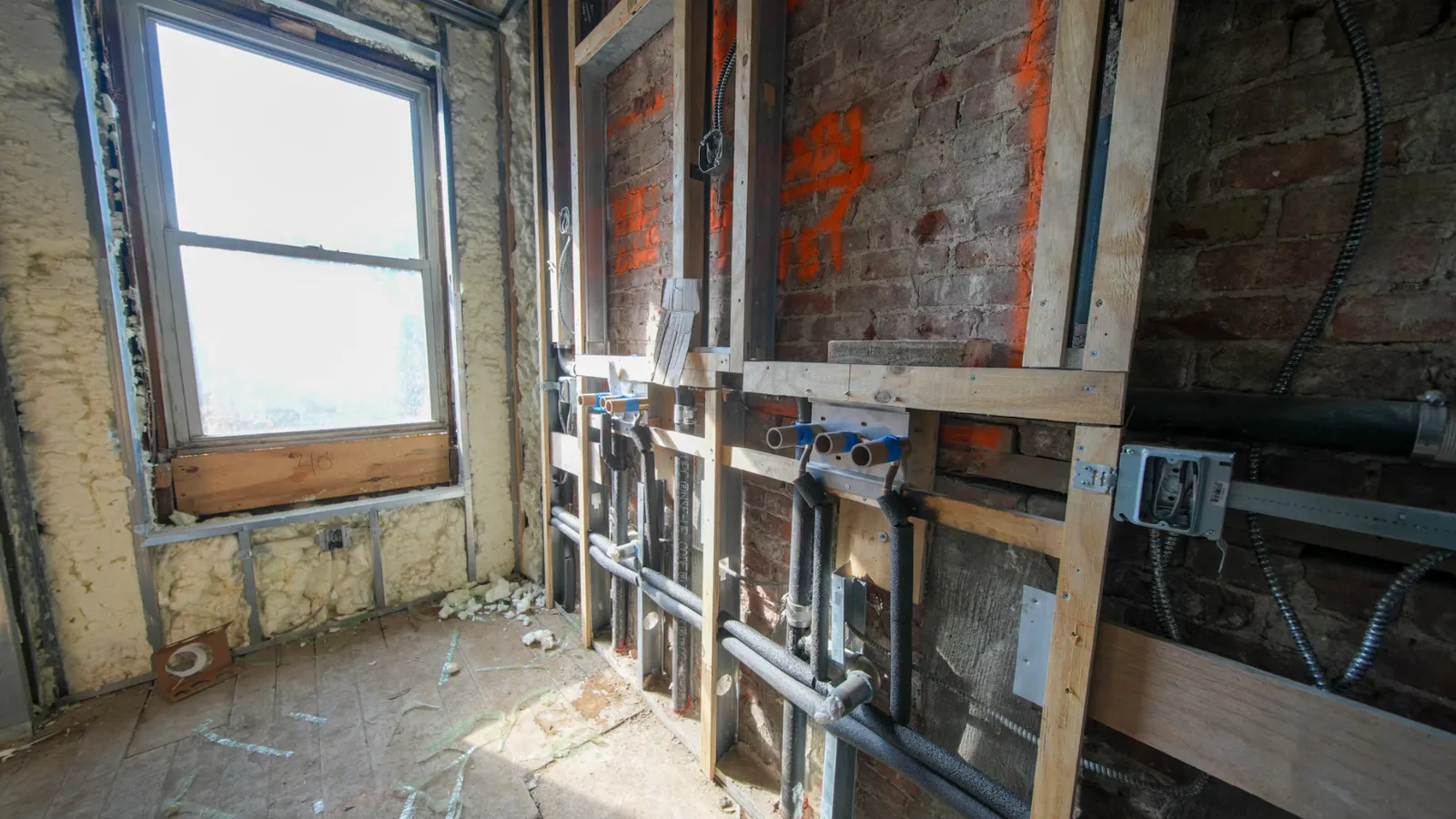
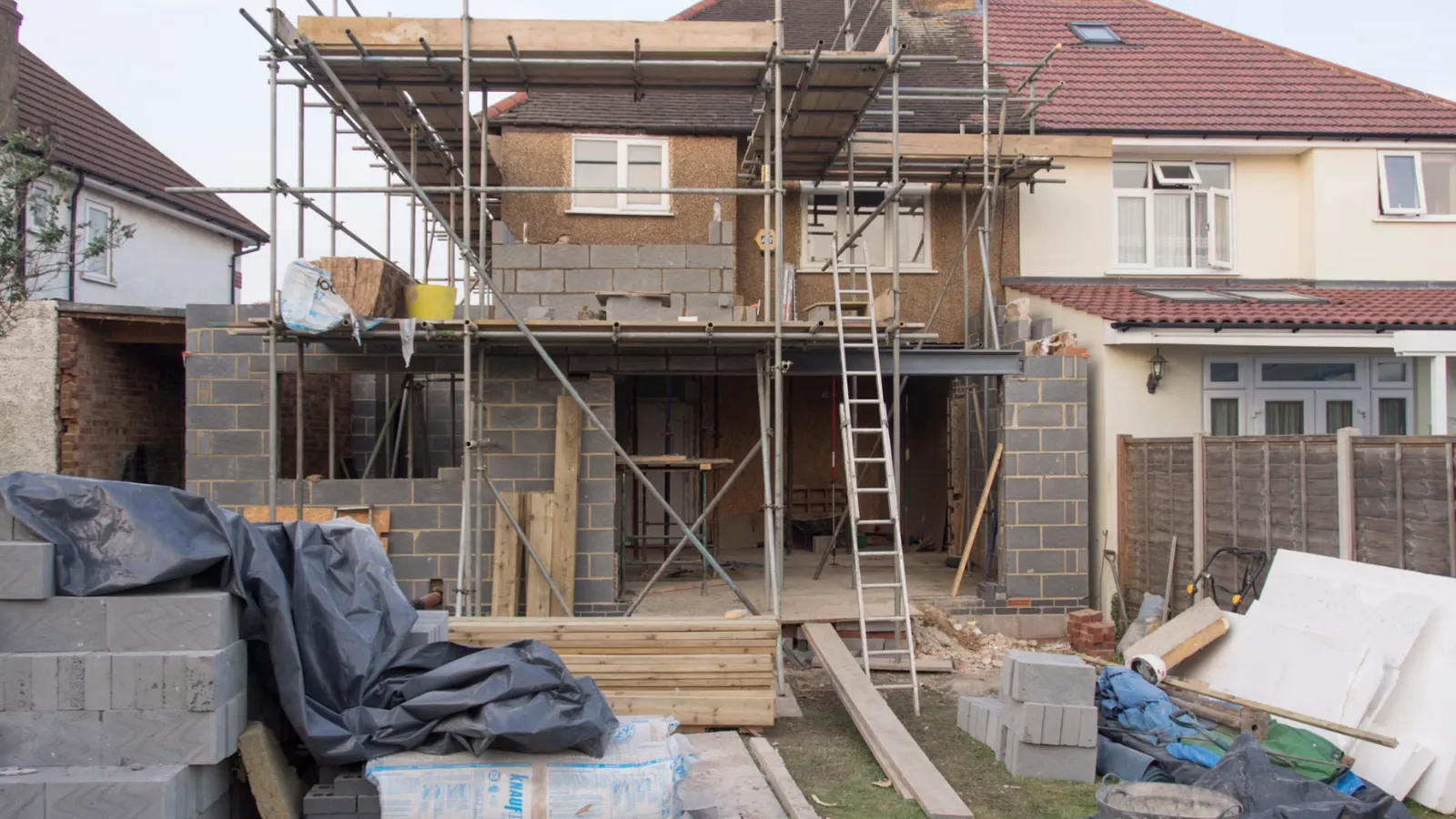
How much does it cost to rewire a house?
The cost to rewire a house depends on its size, access to the cable routes, whether it is empty and how much making good follows. A Which? survey of Trusted Traders in November 2025 priced a full rewire at £3,000 to £12,000 for a two-bedroom terrace and £4,000 to £18,000 for a three-bedroom semi, excluding VAT.
Those ranges are wide because two houses of the same size can need very different jobs. This guide shows what the published figures cover, what moves the price, the lines quotes often leave out, and how to budget the rewire with the plastering and decorating that come after it.
Published rewiring costs
These are the most useful published figures, each from a named source with its date. Use them to sense-check quotes, not as your budget.
| Job | Price (excl. VAT) | Time | Source |
|---|
| Full rewire, average two-bedroom terrace (six rooms) | £3,000 to £12,000 | 5 to 8 days | Which?, November 2025 |
|---|
| Full rewire, average three-bedroom semi (eight rooms) | £4,000 to £18,000 | 6 to 10 days | Which?, November 2025 |
|---|
| Full rewire, average four-bedroom detached (ten rooms, two bathrooms) | £5,000 to £25,000 | 10 to 15 days | Which?, November 2025 |
|---|
| Replace fuse box, three-bedroom semi | £500 to £1,500 | Half a day to a day | Which?, November 2025 |
|---|
| Electrical inspection report (EICR), three-bedroom semi | £100 to £330 | 4 to 8 hours | Which?, November 2025 |
|---|
Source: Which?, How much do electricians cost? (updated 30 April 2026), based on a survey of 19 Which? Trusted Traders gathered in November 2025. Prices include labour and materials but exclude VAT, and Which? says they are likely to be at the upper end of the scale in London and the South East. Each rewire covers removing the old wires and fittings and installing new wiring and fittings, kitchen and bathrooms included.
Tip
Which? suggests getting at least three quotes and asking each electrician to break theirs down, so you know what you are being charged for. Three totals with no detail cannot be compared.
What drives the cost of a rewire
- Size and number of rooms. More rooms mean more circuits, cable, back boxes and accessories. The Which? figures scale from six rooms to ten.
- Whether the house is occupied. Which? says rewiring an occupied house takes longer than an empty one, which can affect the cost. Rooms have to be cleared, covered and put back each day.
- Chasing or surface wiring. Cables hidden in walls take longer and may need replastering; surface wiring is cheaper and quicker but less neat (Which?).
- Walls, floors and access. Solid stone or concrete is slower to chase than plasterboard. Fitted floors, high ceilings and a loft with no boards all add time.
- The number of points you want. Every extra socket, switch, light or data point adds labour and materials. A rewire is the cheapest moment to add them.
- Consumer unit and earthing. A new consumer unit is often part of a rewire. Which? prices a fuse box replacement on its own at £500 to £1,500.
- Location. Which? notes prices are likely to be higher in London and the South East.
Full rewire or partial rewire?
A full rewire replaces every circuit. A partial rewire replaces only some, such as the kitchen or the circuits an inspection has failed. Which? does not publish a partial rewire price, so ask for one alongside the full price. The inspection report is what tells you which is needed: Electrical Safety First says there are no set guidelines for when a home should be rewired, and that old wiring is not necessarily unsafe.
Does your house need rewiring?
The answer comes from an inspection, not from the age of the house. A registered electrician inspects and tests the installation and records the results in an Electrical Installation Condition Report (EICR). Electrical Safety First recommends an inspection at least every 10 years in an owner-occupied home, and every five years or at each change of occupancy in a rented one.
Signs to get the electrics checked straight away, from Electrical Safety First:
- Burn marks on plugs or sockets
- Buzzing or crackling sounds (arcing)
- Fuses blowing or circuit breakers tripping
- Damaged cables, switches, sockets or other accessories
The HomeOwners Alliance adds the signs of an out-of-date system that are visible at a viewing: old-fashioned fuse boxes, dated light switches and fabric-coated flex. If you are buying, our house survey checklist covers what to look at before you commit.
Watch out
A rewire is not a DIY job for most people. Even where you do some labour yourself, such as moving furniture or lifting floorboards, agree with the electrician who designs, installs, tests and certifies the work before anything starts.
Ask every electrician to confirm, line by line, what their price includes. These are the lines most often missing or priced differently:
| Line | What it covers |
|---|
| First fix | Cables, back boxes and conduit run while walls and floors are open |
|---|
| Second fix | Sockets, switches, light fittings and connections once plastering is done |
|---|
| Consumer unit | New unit, protective devices and labelling |
|---|
| Earthing and bonding | Main earth and bonding to gas and water pipes |
|---|
| Extra points | Sockets, outside sockets, USB points, data and TV points |
|---|
| Smoke and heat alarms | Number, type and position |
|---|
| Testing and certificate | Electrical Installation Certificate and building regulations compliance certificate |
|---|
| Making good | Filling chases, patch plastering, replacing lifted boards |
|---|
| Plastering and decorating | Skimming, drying time and repainting, often a separate trade |
|---|
| Waste and old fittings | Removing old cable, fittings and the old fuse box |
|---|
| VAT | Shown separately, so quotes compare like for like |
|---|
Making good is the line that most often turns a fair rewiring quote into an over-budget project. If the electrician only fills the chases roughly, plastering and decorating become their own work packages, priced by other trades. Our guide to comparing builders' quotes on the same scope shows how to line quotes up so the same lines are in each.
Country rules and prices
The method is the same everywhere: have the installation inspected, decide what the rewire includes, get itemised quotes on the same specification and budget for making good. The rules and published prices differ, so they sit in these boxes.
In the UK (England and Wales)
GOV.UK lists "replace fuse boxes and connected electrics" and "change electrics near a bath or shower" among alterations that might need building regulations approval, and adds that without approval you will not have the certificates of compliance you may need when you sell. Electrical Safety First says notifiable electrical work (all installation work and anything in a bathroom) must either be done by a registered electrician, who issues a certificate on completion, or be reported to Local Authority Building Control. You should receive an Electrical Installation Certificate and a Building Regulations Compliance Certificate, and without them you may find the property harder to sell. Scotland and Northern Ireland have their own building rules.
In Italy
The 2026 renovation cost breakdown by Jonathan Smith, Mekozo's founder, who films his villa renovation on Operation Sicily, gives €3,500 to €9,000 for a full electrical rewire on a typical 80 to 120 square metre property in western Sicily, with electricians' day rates of €130 to €180 in 2026, and a 100 metre reel of electrical cable at between 45 and 90 euros. It advises installing electrics, plumbing and drainage before plastering and floor laying, and asking for the VAT basis in writing. Ask your geometra whether the work needs a building notification, and keep the electrician's completion documents.
Elsewhere
Permits, who may do electrical work and the certificate you receive vary by country, region and city. Check with your local building department or the official guidance where the property is before you agree a price.
How long does it take to rewire a house?
Which? gives 5 to 8 days for an average two-bedroom terrace, 6 to 10 days for a three-bedroom semi and 10 to 15 days for a four-bedroom detached house. It adds that rewiring often takes at least two people, and that more staff may finish sooner but the total hours are likely to be the same.
Those days are the electrician's time on site. A rewire usually happens in two visits with other work in between:
- First fix. Cables, conduit and back boxes go in while floors are up and walls are open.
- Plastering and other trades. Chases are filled and walls are plastered or skimmed, then left to dry.
- Second fix. Sockets, switches and lights are fitted and connected.
- Testing and certification. The installation is tested and the certificates issued.
- Decorating. Walls are painted once everything is in.
Plan the rewire before the kitchen, bathroom, flooring and decorating, because once floors are tiled and walls plastered, adding cables becomes much harder. Our full house renovation guide shows how a rewire sits across the room-by-room plan.
How to budget for a rewire, step by step