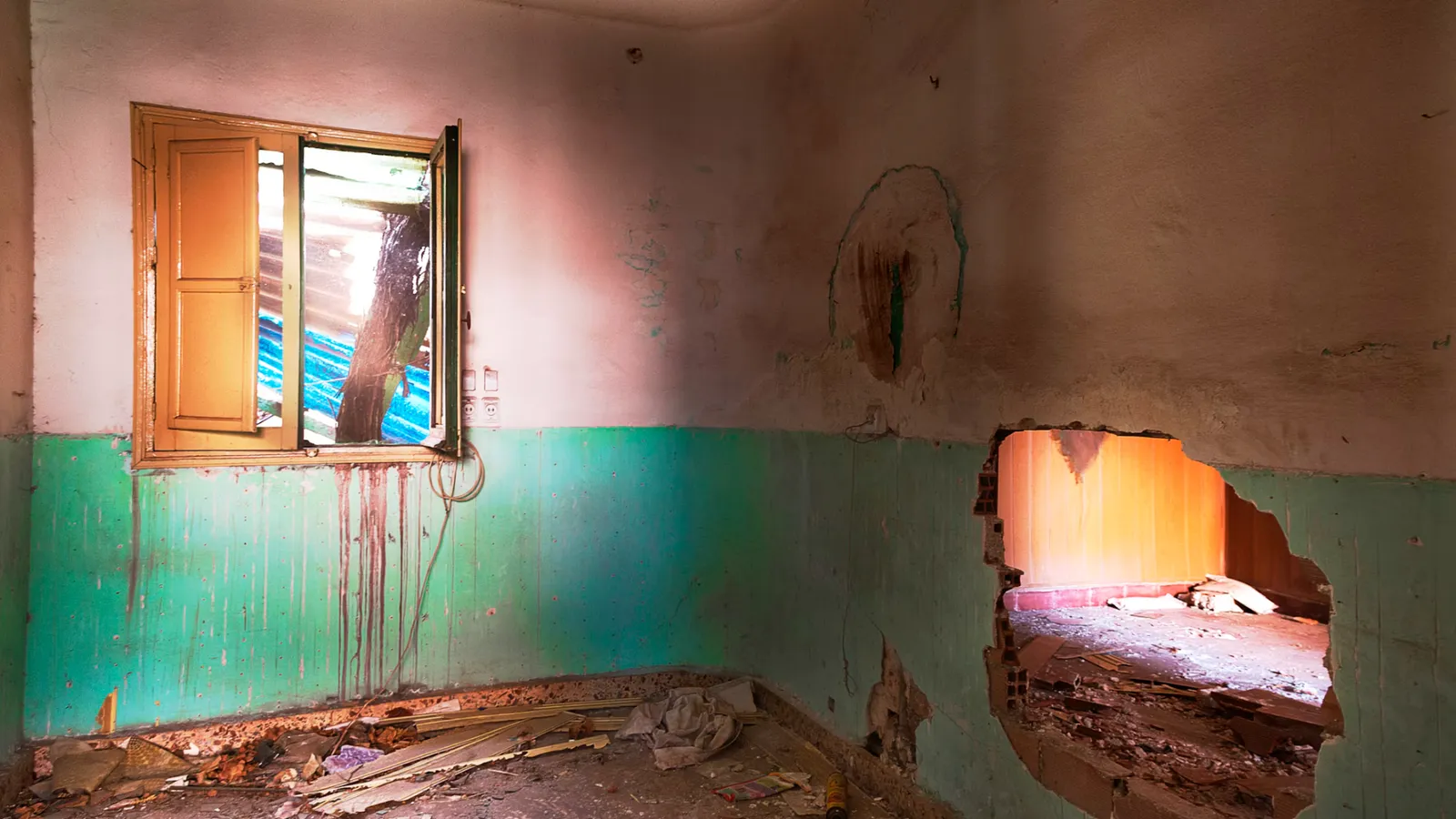
What should you look for when buying an old house?
When buying an old house, look hardest at the roof and chimneys, the walls and any damp, signs of structural movement, timber decay, the age of the wiring, plumbing and drainage, and the paperwork for past alterations. Then check whether it is listed or in a conservation area, and get a survey from someone who knows older buildings.
This guide goes through each of those, explains why old houses need a different kind of look, and shows how to turn what you find into a budget before you make an offer. It helps you know what to ask; it does not replace a survey.
Why an old house needs a different kind of look
Historic England puts it simply: buying and living in an older building can be extremely rewarding, but older buildings differ from modern ones.
Many were built with solid walls, lime mortars and plasters, and timber that was meant to stay dry by letting moisture move through the building and out again. A modern house relies more on barriers: cavities, membranes and sealed finishes. That difference matters when you look at an old house, for two reasons:
- Some things that look like faults are normal. Uneven floors, slightly out-of-true walls and old timbers can be centuries old and stable.
- Some modern "fixes" cause problems. Cement render, cement pointing or impermeable paint on a wall built to breathe can trap moisture and create the damp they were meant to cure.
Historic England also notes that old houses are often branded as draughty and energy inefficient, but that, properly repaired and maintained, they can perform well. The question is not whether the house is old, but whether it has been looked after in a way that suits how it was built.
What to look for, element by element
You will not diagnose an old house at a viewing, but you can spot the signs that tell you what to ask the surveyor. Take photos with something for scale, and note where each one was taken.
| Element | Warning signs to look for | Question to ask |
|---|
| Roof and chimneys | Slipped or missing tiles, a sagging ridge, leaning stacks, staining on top-floor ceilings | When was the roof last overhauled, and by whom? |
|---|
| Gutters and downpipes | Overflowing joints, staining below them, plants growing | Where does the rainwater go? |
|---|
| Walls | Cracks wider than a hairline, bulges, crumbling or cement pointing on old brick or stone | Has the wall been rendered or repointed, and with what? |
|---|
| Damp | Tide marks, musty smells, flaking plaster, mould behind furniture | What causes it, and has anything been "treated"? |
|---|
| Structure | Sloping floors, doors that will not close, diagonal cracks above openings | Has the house been monitored or underpinned? |
|---|
| Timbers and pests | Soft or powdery wood, holes, fungus, droppings | When was the roof space last inspected? |
|---|
| Windows and doors | Rotten frames, failed lintels, cracks at corners | Are the windows original, and what are they made of? |
|---|
| Electrics | Old fuse boxes, round-pin sockets, cloth-covered cable, too few sockets | When was the house last rewired, with a certificate? |
|---|
| Plumbing and heating | Old pipework, weak water pressure, an ageing boiler | What are the pipes made of, and when was the boiler serviced? |
|---|
| Drainage | Smells, slow drains, a private system such as a septic tank | Where do the drains go, and when were they last checked? |
|---|
Roof, chimneys and rainwater
The roof keeps an old house alive. Most serious decay in old buildings starts with water: a slipped slate, a blocked gutter or a leaking valley that has been running into a wall for years. Look at the roof from the street and the garden, look at the top-floor ceilings, and if you can see into the roof space, look for daylight, wet timbers and droppings.
Walls, damp and repairs
Look at what has been done to the walls as much as at the walls themselves. Hard cement pointing or render on soft brick or stone, plastic paint on lime plaster, and sealed floors laid over old earth or stone can all hold moisture where it does harm. A damp-proofing certificate is not proof that a damp problem is solved; ask what the cause was.
Watch out
Be wary of anyone offering a damp treatment before the cause is known. In an older building the answer is often a gutter, a raised ground level outside, or the wrong material on the wall, not a chemical injection. Ask a surveyor experienced in older buildings to find the cause first.
Structure and movement
Old houses often have historic movement that stopped long ago. What matters is whether it is still moving. Fresh, sharp-edged cracks, cracks that are wider at one end, doors and windows that have started to stick, and gaps opening between walls and ceilings are worth a specialist's opinion.
Services: wiring, plumbing and drainage
Services wear out long before walls do, and they are hidden in the fabric, so the cost to replace them includes making good the plaster and floors afterwards. Ask when each was last replaced and for the certificate. A private drainage system, such as a septic tank or cesspit, needs its own check: what it is, where it discharges and whether it still works.
Hazardous materials
Older houses can contain materials that need care during any work, such as asbestos in later 20th-century additions or lead in old paint and pipes. They do not stop a purchase, but they affect how work is done and what it costs.
In France
The seller must provide a lead report if the home was built before 1 January 1949, and an asbestos report if the building permit was issued before 1 July 1997, according to Service-Public.fr. Other countries have their own rules, so ask your legal adviser what reports the seller must give you where you are buying.
Permissions: listing, conservation areas and past work
An old house has usually been altered many times. Two questions matter: what are you allowed to change now, and was everything done before you allowed?
In the UK
Check whether the property is listed or in a conservation area, and whether any trees are protected. Historic England says you can find out from the local authority, and recommends contacting it as soon as possible if you want to make alterations. GOV.UK's how to buy guide suggests checking the National Heritage List, because listing may affect your ability to make changes inside and outside the property. Your conveyancer's local authority searches will also show listed and conservation area status.
For past work, ask for the permissions and certificates for every extension, conversion, new window and rewiring. Work done without them can need regularising before you can sell, or before you can do your own work. Abroad, this can be a bigger question still: in Italy, many older houses have unrecorded changes, which is why our guide to buying a house in Italy puts a check of the building against the plans before any signature.
If you want to know more about the house's past, our guides to when your house was built and finding the history of your house show where to look. A house's history often explains its alterations.
The survey an old house needs
A viewing tells you what to ask; a survey tells you the answer.
- Choose the right level. For older buildings, Historic England says RICS recommends a Level 3 survey. RICS describes it as its most comprehensive Home Survey, suited to larger, older or run-down properties and to buyers planning major works.
- Choose the right surveyor. GOV.UK notes that properties built before 1919 are constructed differently, so make sure your surveyor is qualified to assess them.
- A valuation is not a survey. If you are borrowing, any valuation is for the lender: Historic England explains that it advises the lender on the property's value as security, involves a brief inspection and is not a survey.
- Ask for repair options and priorities. Historic England says a Level 3 survey can describe visible defects and potential hidden problems, outline repair options and the consequences of doing nothing, and comment on whether the energy improvements suggested in the EPC are appropriate.
- Follow up the specialists. If the surveyor recommends a drains survey, an electrical test or a timber specialist, book them before you commit.
Our house survey checklist covers the survey process in more detail, and our guide to questions to ask when buying a house lists what to ask the surveyor afterwards.
Turn what you find into a budget before you offer