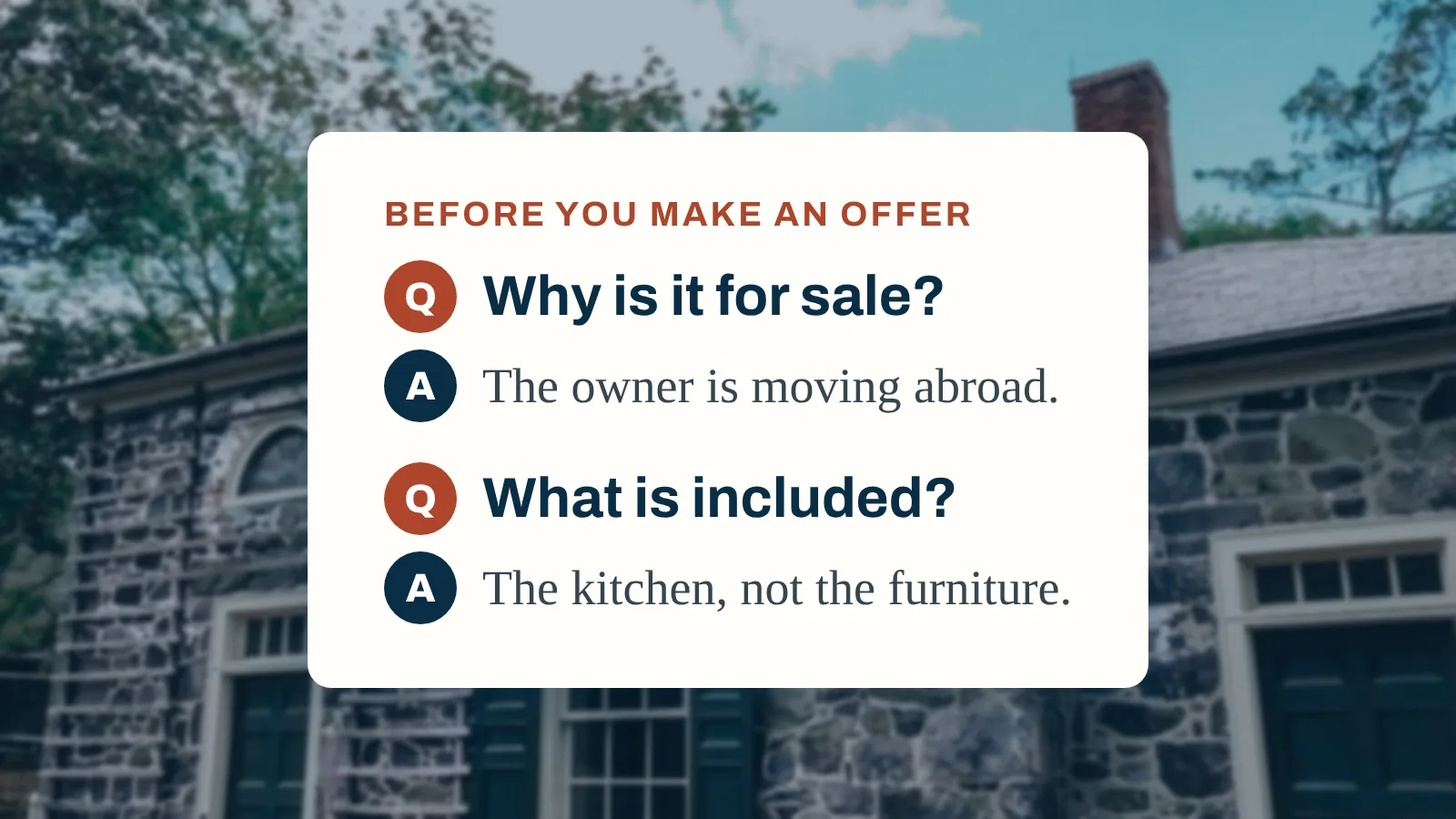
Ask why the seller is moving, how long the house has been on the market, what is included, what work has been done with what paperwork, and what it costs to run.
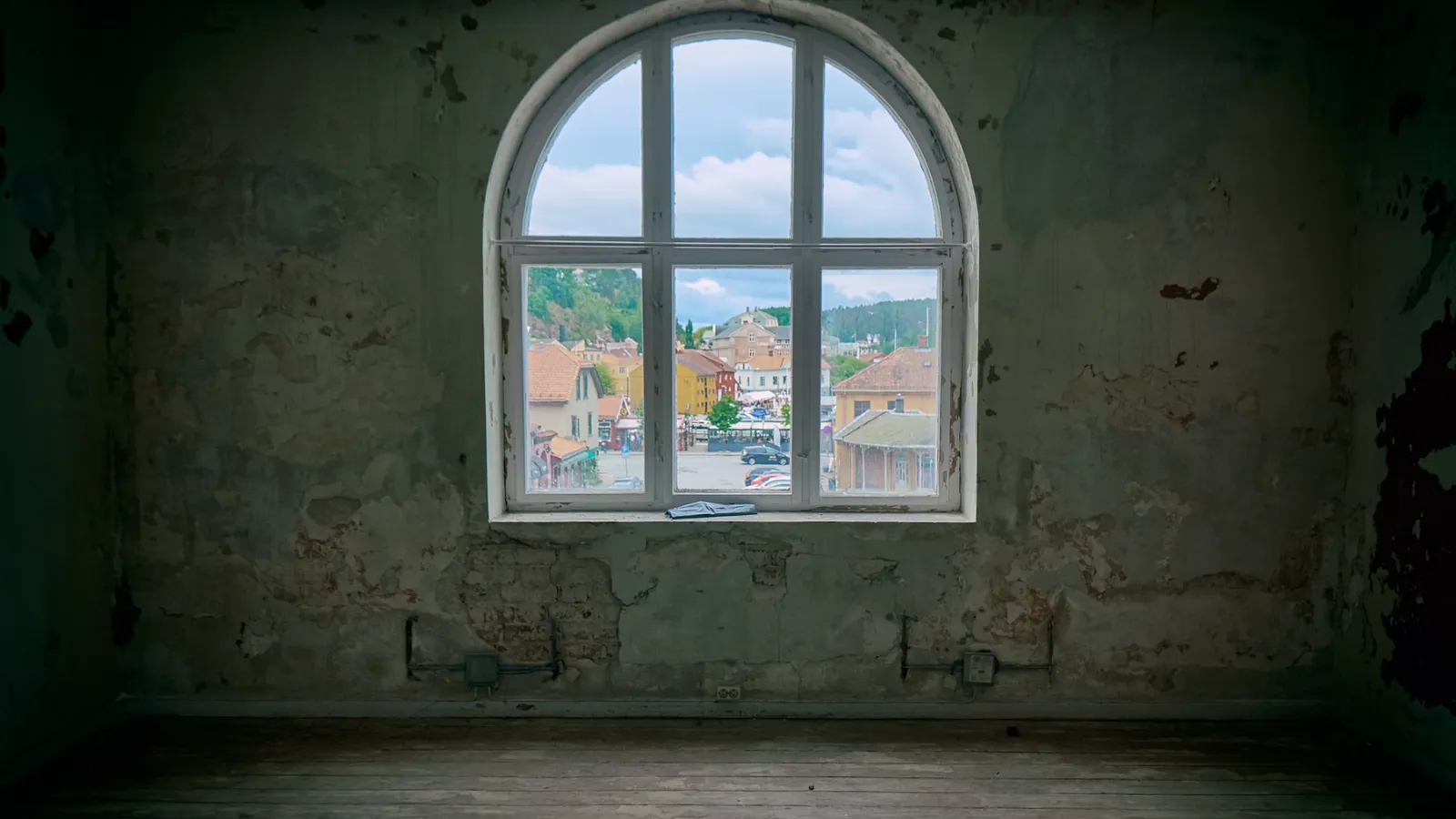
Look past the furniture at the roof, windows, damp, electrics, heating and water.
On a second viewing, go at a different time of day, such as rush hour, a weekend or after dark.
Record every viewing the same way, with notes and photos, so you can compare houses fairly later.
A viewing is not a survey; anything you cannot see belongs in your questions and your survey.
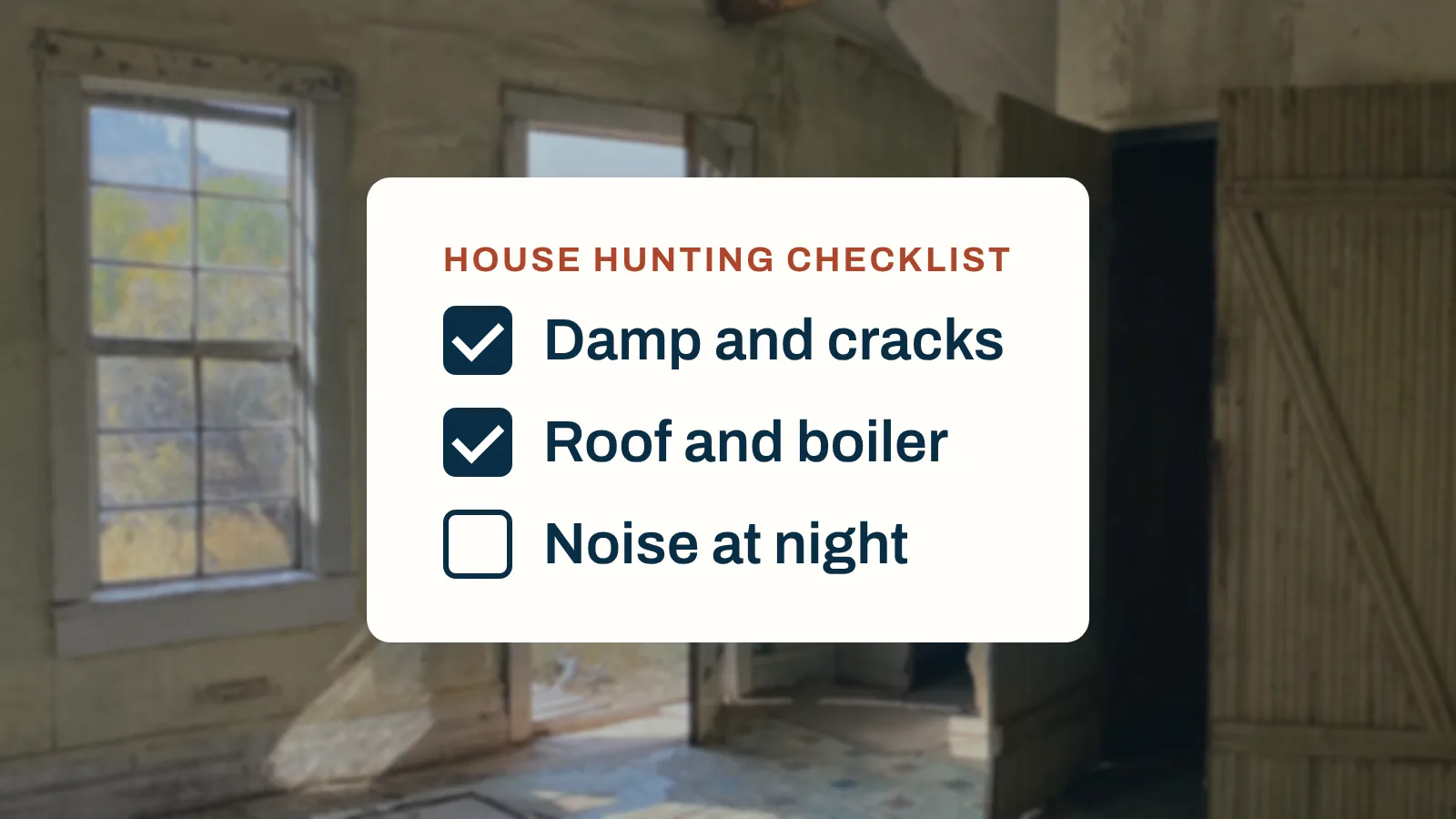
The most useful questions to ask when viewing a house are why the seller is moving, how long it has been on the market, what is included, what work has been done and with what paperwork, and the running costs. Look past the furniture at the roof, windows, damp, electrics, heating and water, and record every house the same way.
This guide gives you the questions, a room-by-room list of what to look for, and a house viewing checklist you can reuse for every property you see.
Before the viewing: read the listing with your wish list beside it
A viewing goes further when you arrive with a short list of what you already know and what you need to find out. Spend ten minutes with the listing first.
Your wish list. Have your must-haves and nice-to-haves to hand. If you have not written them down yet, split them into must-haves you would walk away over and nice-to-haves you would trade, as our guide to building a house wish list explains.
The floor plan. Check room sizes against how you will use them. Note any room that looks smaller in real life than on paper.
What the photos leave out. No picture of the bathroom, the garden from one angle only, or the street never shown: these are the places to look first.
The energy certificate. Look up the rating and the recommendations before you go.
The area. Check flood risk, parking, the route to work or school, and the noise sources nearby, such as a main road, railway or pub.
Your three key questions. Write down the three answers that would change whether you want this house.
In the UK
Sellers must order an Energy Performance Certificate before the property is marketed. It rates energy efficiency from A (best) to G (worst) and is valid for 10 years, according to GOV.UK's guidance on EPCs. You can look up an existing certificate with GOV.UK's Find an energy certificate service. In England, GOV.UK's long term flood risk check shows the risk from rivers and the sea, surface water, reservoirs and, where data is available, groundwater.
Questions to ask the agent or seller
Ask the same questions at every viewing. The answers matter, but so does how readily they are given. Note who answered and whether you need it confirmed in writing.
Questions about the sale
Question
Why it matters
Why is the seller moving?
It can tell you how flexible they may be on price and timing.
How long has it been on the market?
A long time can mean the price is high or there is a problem buyers keep finding.
Have there been any offers, and did a sale fall through?
A failed sale can point to a survey or legal issue worth asking about.
Is the seller in a chain?
A chain affects how quickly, and how reliably, you can complete.
What is included in the sale?
Carpets, curtains, appliances, sheds and garden items are often assumed, not agreed.
Is it freehold or leasehold?
Leasehold brings ground rent, service charges and lease length to check.
Questions about the house and its history
How old are the roof, the boiler, the windows and the wiring?
What work has been done, when, and by whom? Is there paperwork for it?
Has there ever been damp, subsidence, flooding or a pest problem?
Are there any disputes with neighbours, or shared access or boundaries?
Is there planning permission or building regulations sign-off for any extension, loft or conversion?
Are there any planning applications nearby that could change the view or the traffic?
Tip
When someone says "it was all done a few years ago", ask for the invoice, certificate or guarantee. Work without paperwork is a question for your survey and your conveyancer, not a fact.
Questions about running costs
What are the yearly gas, electricity and water bills?
What is the council tax band (or local property tax where you are)?
For a flat: what are the service charge, ground rent and any planned major works?
Is there anything that needs regular servicing, such as a septic tank, a heat pump or a lift?
Running costs belong in the whole cost of the house, not just the asking price. Our guide to the costs of buying a house shows how to put them all in one list.
What to look for when viewing a house, room by room
You are not there to survey the house, but you can spot the signs that tell you what to ask a surveyor about. Look up, look down and open things.
Outside
Roof: missing or slipped tiles, a sagging ridge, moss build-up, flashing around the chimney.
Walls: cracks wider than a hairline, especially diagonal ones near windows and doors; crumbling pointing; damp patches.
Gutters and downpipes: leaks, staining below joints, plants growing in them.
Windows and doors: rotten frames, condensation between double-glazed panes, doors that stick.
Drains and ground: smells, standing water, ground sloping towards the house.
Boundaries: which fences are yours, and what state are they in?
Inside
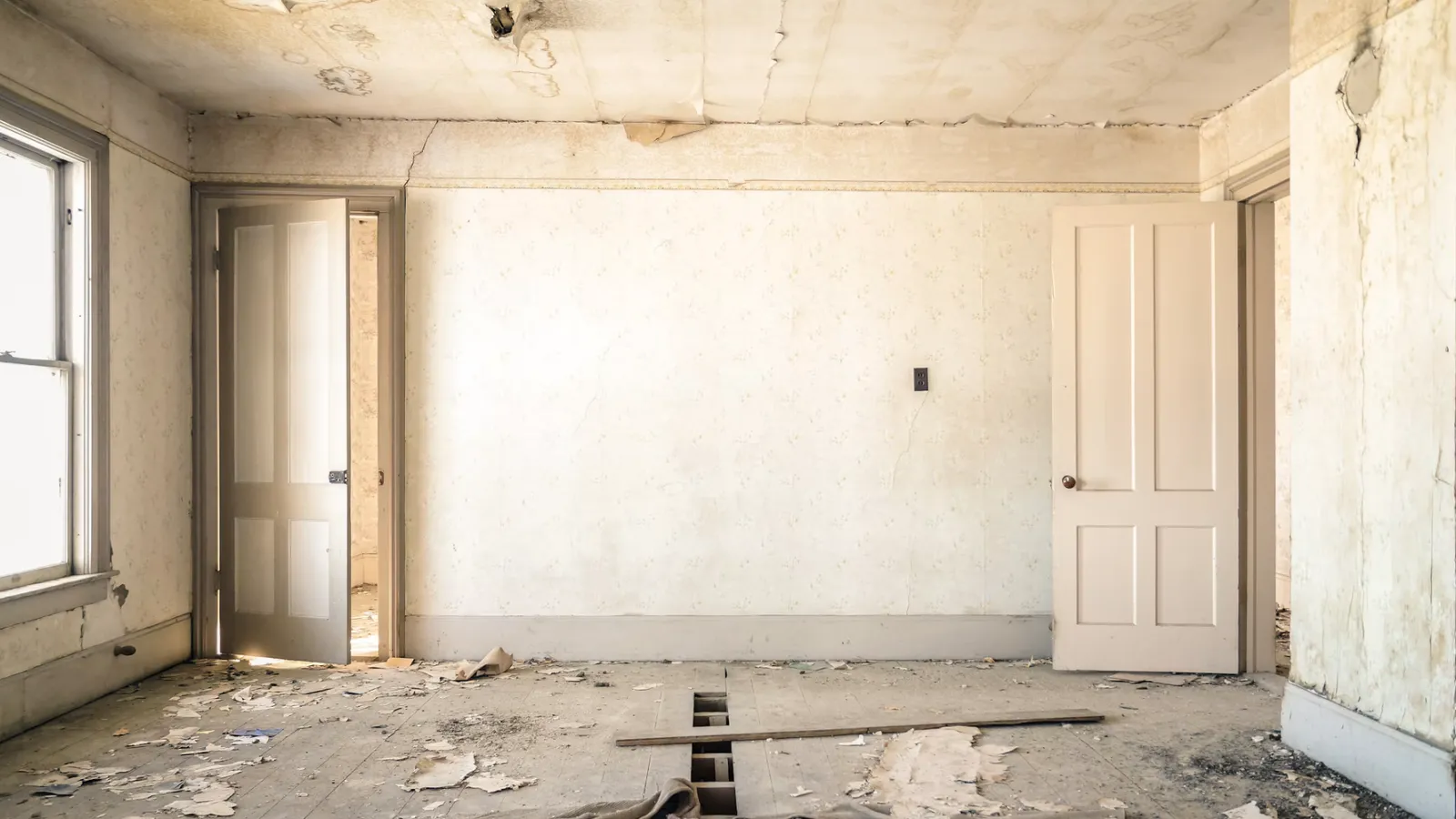
Damp: a musty smell, tide marks low on walls, peeling paint, black mould in corners and behind furniture. Fresh paint on one patch of wall is worth asking about.
Cracks: note where they are and how wide. Take a photo with something for scale.
Floors: bounce, slopes or creaks that suggest joist problems.
Electrics: an old fuse box, too few sockets, scorch marks, loose fittings.
Heating: the age of the boiler, when it was last serviced, whether every radiator gets warm.
Water: run the taps and shower to check pressure and how long hot water takes.
Loft: if you can see in, look for daylight through the roof, damp timbers and insulation.
Kitchen and bathroom
These are the most expensive rooms to change, so look harder here. Open cupboards and look under the sink for leaks. Check the age of appliances that come with the sale. In the bathroom, look at the sealant, the grout, the extractor fan and any staining on the ceiling below.
The street and neighbourhood
Noise from roads, flight paths, schools, pubs or neighbours.
Parking at the times you will come home.
Phone signal and broadband in every room you will work in.
Light: which way the garden and main rooms face.
Watch out
A viewing is not a survey. RICS describes three levels of Home Survey, and recommends Level 3, the most comprehensive, for large, older or run-down properties and for buyers planning major works. What you notice at a viewing tells you what to ask the surveyor to look at closely.
Your house viewing checklist
Use the same list for every house. Tick, cross or add a note.
Before you go
Wish list, floor plan and listing printed or on your phone
Energy certificate and flood risk checked
Three questions that would change your mind written down
Ask
Reason for selling, time on the market, previous offers
Chain, tenure, what is included
Age of roof, boiler, windows and wiring
Work done, and paperwork for it
Running costs and council tax band
Look
Roof, walls, gutters, windows outside
Damp, cracks, floors, electrics, heating, water pressure inside
Kitchen and bathroom in detail
Street, parking, noise, light and signal
Before you leave
The three most important questions still unanswered, and who can answer each
Your first impression in one sentence
How to record a viewing so you can compare it later
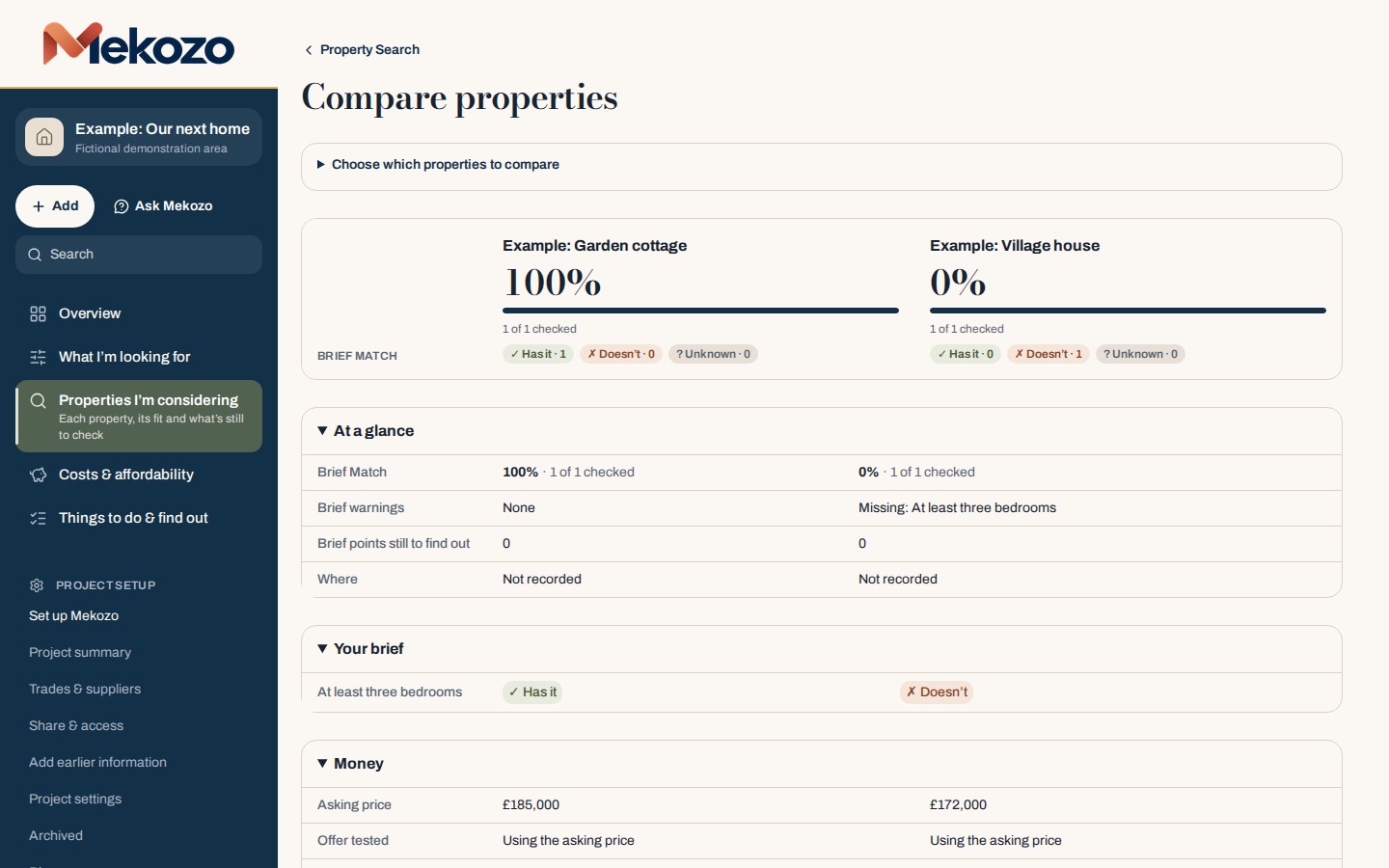
Mekozo compares every house you view against the same Property Brief, showing which points each one meets, which it misses and which are still unknown.
By the third or fourth viewing, the details start to merge. The house with the good kitchen becomes the house with the damp bedroom in your memory, and the decision tilts towards whichever one you saw last. A simple habit stops that.
Write notes straight after, not that evening. Sit in the car or a café and spend five minutes on the checklist while it is fresh.
Keep notes with the property, not in your camera roll. A photo of a crack means little in a week unless it says which wall and which house.
Score against your wish list, not against the last house. Mark each must-have as met, not met or unknown.
Separate what you saw from what you were told. "The boiler is new" is a claim until you see the paperwork.
List the open questions and who answers them. The agent, the seller, the surveyor, the conveyancer or the council.
A second viewing is where you test the house against your real life rather than your first impression.
Go at a different time of day: rush hour, a weekend or after dark.
Measure the spaces that matter: the alcove for the sofa, the kitchen for your table.
Look again at every item on your "unknown" list.
Ask the questions you thought of afterwards.
Picture the first year: what would you need to repair, replace or change before it works for you?
If the answers raise the cost of making the house work, that belongs in your offer. Price the work, add a contingency and compare the total with homes that need nothing doing, as our guide on how much to offer on a house explains.
When the viewing does not show everything
Some of the most important facts about a house are not in the rooms at all. They are in the documents, the history and the parts you cannot see. That is why the questions you leave with matter as much as the impression you leave with.
On the Operation Sicily villa
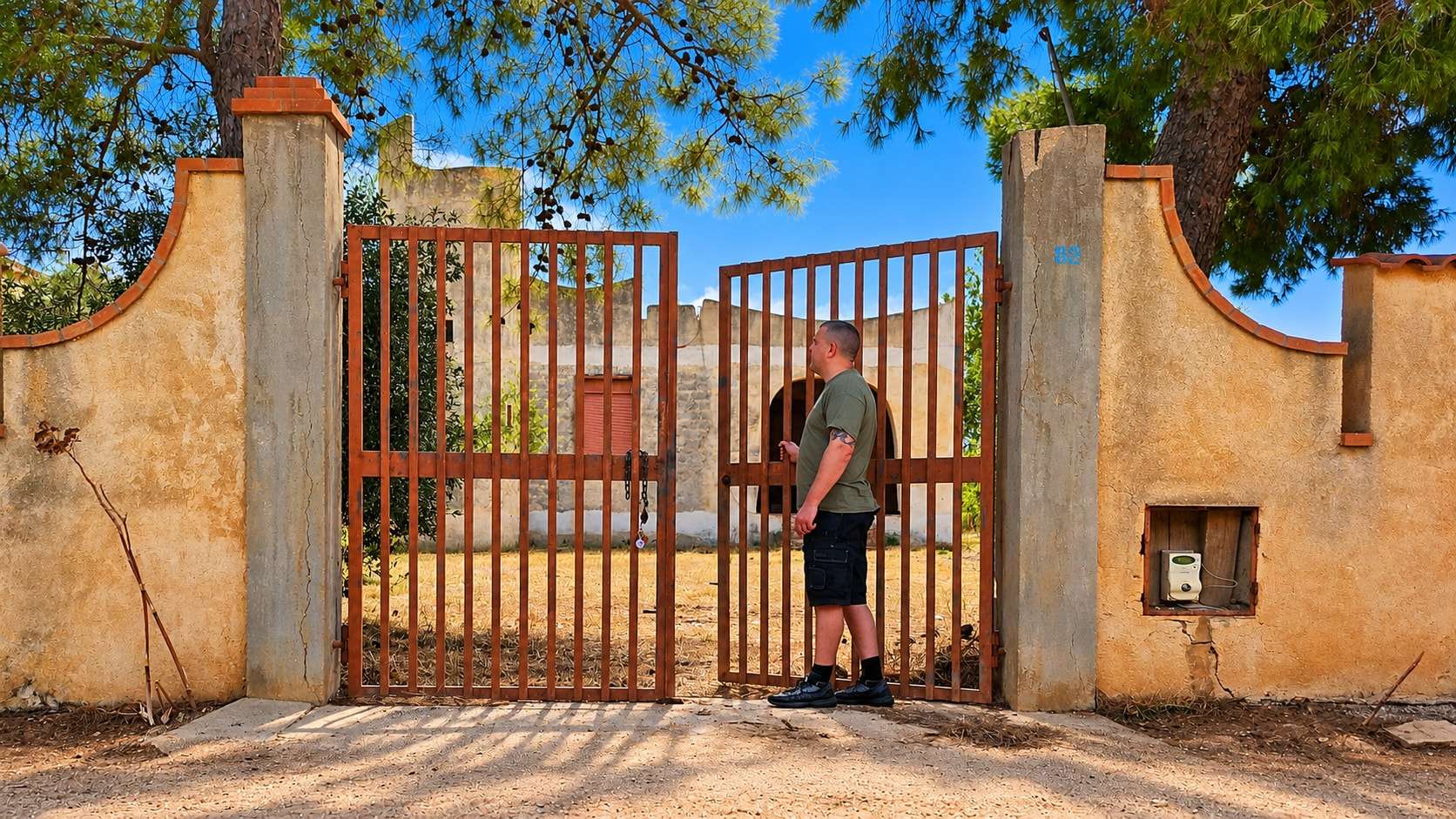
From the villa in Sicily. Mekozo's founder, Jonathan Smith, viewed around 50 properties over three months before buying the villa he films for Operation Sicily, as he describes in Episode 8. He walked away from two deals for reasons no viewing could show: one villa had been built over a forgotten archaeological site that was left out of the documents, and a farmhouse had a hidden room missing from every official plan. Even at the villa he bought, he writes that the scale of the rat infestation was not visible in the photographs or the viewing. Clearing it meant every table, chair, mattress and bed frame going out (Episode 3). The lesson for any viewing: record what you see, then ask which answers only the paperwork or a professional can give.
This guide explains what to ask and look for at a viewing. It is not survey or legal advice; use a qualified surveyor and conveyancer before you commit.
Questions people ask
What questions should I ask when viewing a house?
Ask why the seller is moving, how long the house has been on the market, whether any offers have been made and what is included in the sale. Then ask about the age of the roof, boiler and wiring, any work done and its paperwork, and the yearly running costs. Ask for the answers in writing where they matter to your offer.
What should I look for when viewing a house?
Look for signs of damp, cracks, roof and gutter problems, the age of windows, the condition of the boiler and electrics, and water pressure. Check the light, noise, parking and phone signal too. Record what you see room by room so you can compare it with other houses later.
How many times should you view a house before making an offer?
A second viewing before you offer is worth booking, ideally at a different time of day. Use it to check the things you could not judge the first time, such as traffic, noise, light and the questions left open from the first visit.
Is a viewing enough, or do I still need a survey?
A viewing is not a survey. You can spot warning signs, but hidden defects, structure and services need a qualified surveyor or specialist. In the UK, RICS describes three levels of Home Survey, and recommends the most thorough one for older, larger or run-down properties.
Can I take photos when viewing a house?
Ask the agent or seller first; most are happy for buyers to take photos for their own notes. Photos are most useful with a short note saying where they were taken and what you noticed, so they still make sense when you compare houses later.
Jonathan Smith is the founder of Mekozo and Operation Sicily. Jonathan bought an abandoned villa in Sicily and is rebuilding it on camera, every week. Mekozo is the app Jonathan built to keep that renovation's money in one picture.
The questions that matter across the whole purchase, from the first viewing to the binding contract, grouped by who can answer them, with a checklist you can reuse for every house.
Every step of a house hunt in order, from setting the whole-project budget and writing a wish list to viewings, comparisons and the checks to make before you offer, as one checklist you can work through.
Old houses are built differently from modern ones. What to check element by element, which permissions to confirm, the survey to ask for and how to turn what you find into a budget before you offer.