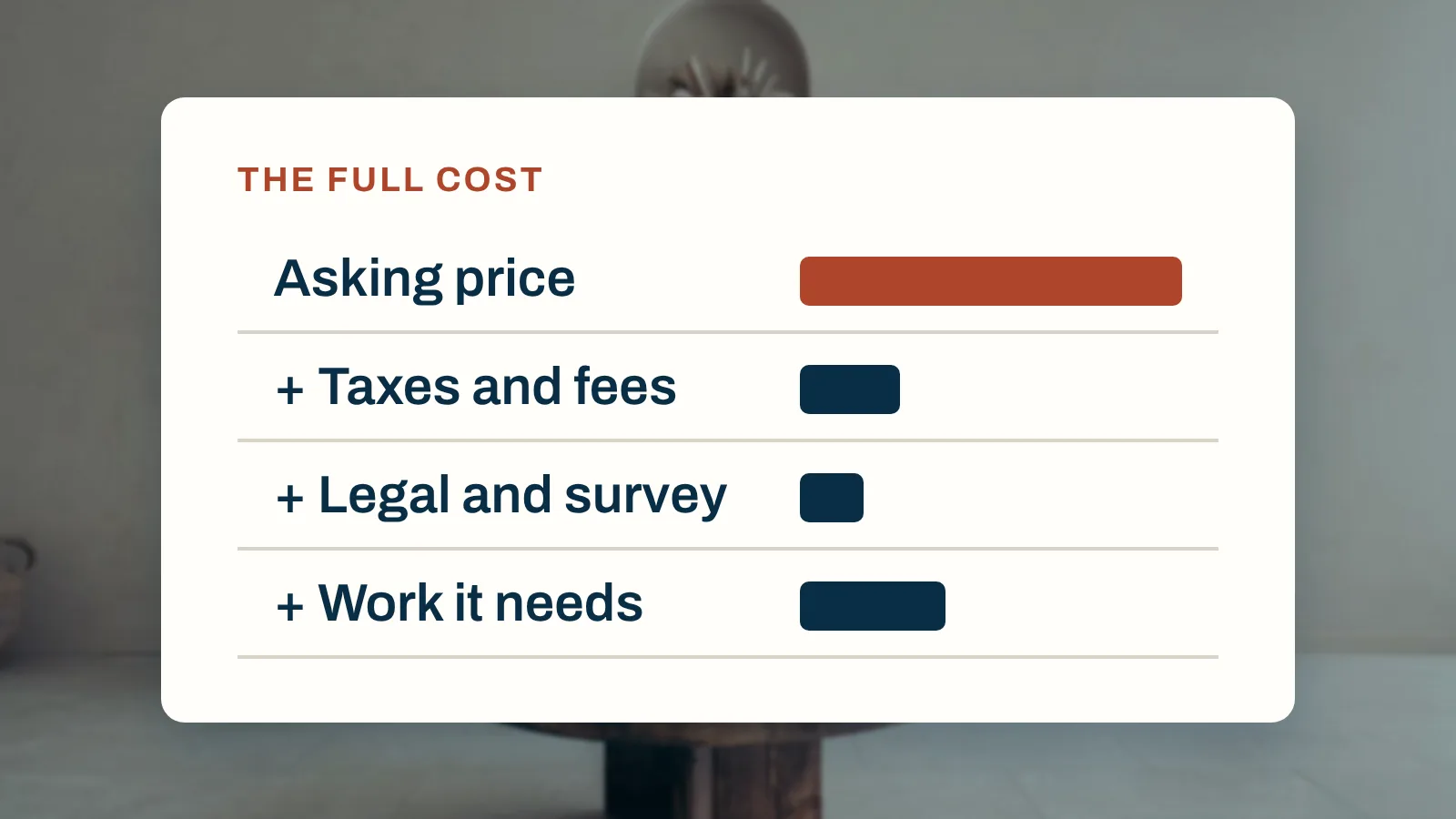
Buying a property
Costs of buying a house: the full list, hidden ones too
Every cost of buying a house, from tax and legal fees to the hidden ones after you move in, and how to keep them in one list.


The asking price is where the seller starts, not what the house is worth. How to research sold prices, set your maximum before you negotiate, work out an offer on a house that needs work from the cost of the work, and put your offer in writing.
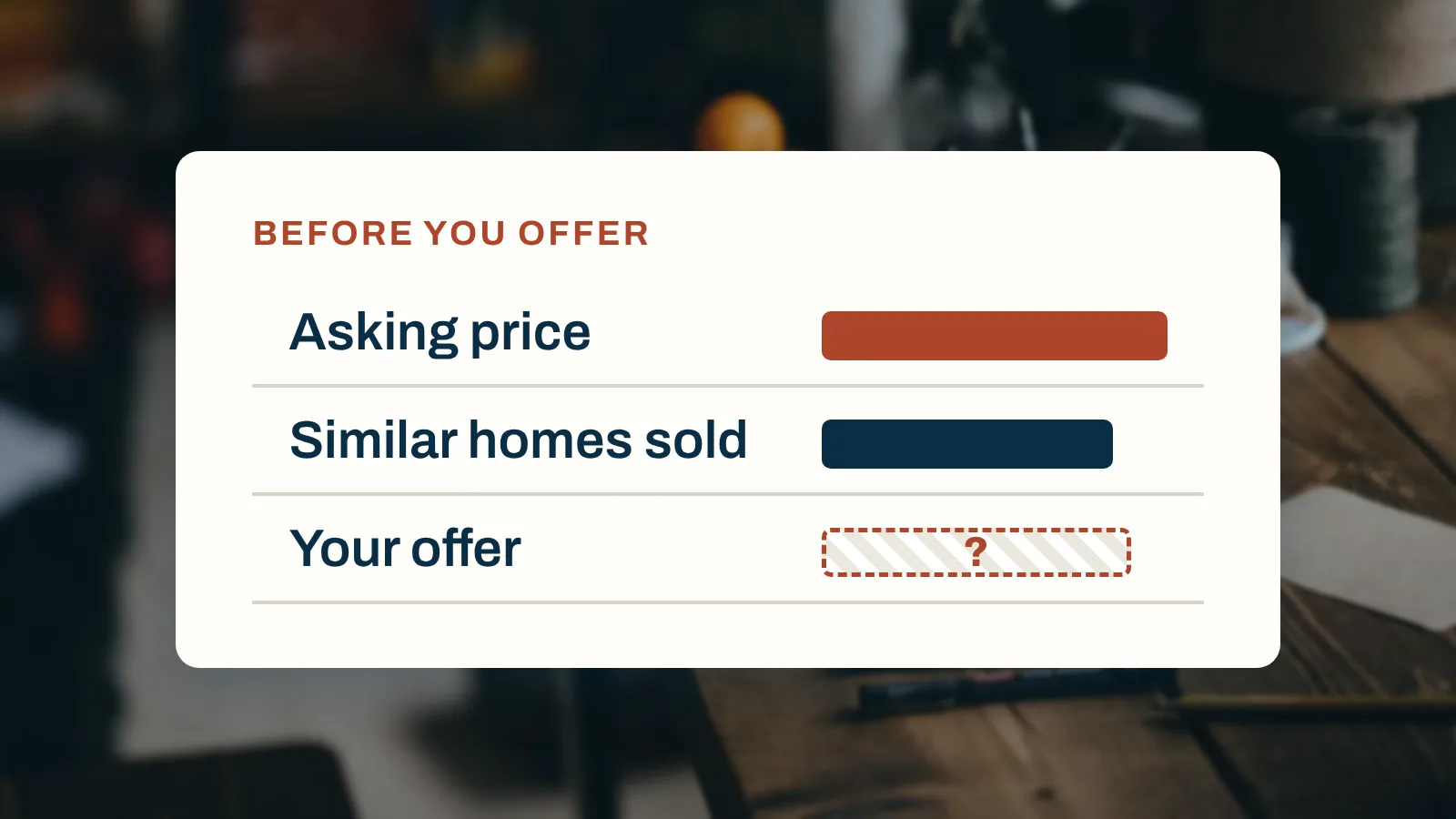
How much to offer on a house depends on evidence, not a fixed percentage: sold prices of similar homes, the property's condition, its time on the market and local demand. The HomeOwners Alliance says an opening offer 5% to 10% below the asking price may be reasonable in a buyer-friendly market, while some homes justify offering close to it.
Before you pick a number, decide the most you will pay, based on the full cost of buying and any work the house needs. This guide covers the research, how to set that maximum, how to work out an offer on a house that needs work, and how to make the offer so it is taken seriously.
The asking price tells you what the seller hopes for. It is not a valuation. The HomeOwners Alliance (updated 12 November 2026) quotes Jeremy Leaf, a former RICS Residential Chair, calling it "an aspirational starting price" that "doesn't necessarily reflect what the property is worth."
Gather this evidence before you decide:
| Evidence | Where to find it | What it tells you |
|---|---|---|
| Sold prices of similar homes nearby | HM Land Registry price data on GOV.UK (England and Wales) | What buyers actually paid, not what sellers asked |
| Asking prices of similar homes for sale | Property listings | The competition the seller faces |
| Time on the market and price reductions | Listing history, the agent | How keen the seller may be to agree |
| Condition and work needed | Your viewings, a survey, quotes | What the house will cost you on top of the price |
| Demand for this type of home | The agent, how fast similar homes sell | How much competition you may face |
| Your own position | Your budget and timescale | What makes your offer attractive |
Tip
Compare like with like. A sold price is only useful if the home was similar in size, condition, outside space and location, and sold recently. Note the differences, because they are what you will use to explain your offer.
Our guide to comparing the houses you have viewed shows how to line properties up against the same priorities, and our questions to ask when viewing a house include the ones that tell you why it is for sale and for how long.
There is no rule. The HomeOwners Alliance gives 5% to 10% below the asking price as a reasonable opening offer in a buyer-friendly market, and says you may have more room if the property has been for sale a long time, needs work or competes with many similar homes. It also warns that the asking price may already reflect those things.
Two broad approaches, both described by the HomeOwners Alliance:
Watch out
A very low offer with nothing behind it can backfire. The HomeOwners Alliance quotes Jeremy Leaf warning that it can alienate the seller, so that even a better second offer is ignored. Explain how you reached your figure.
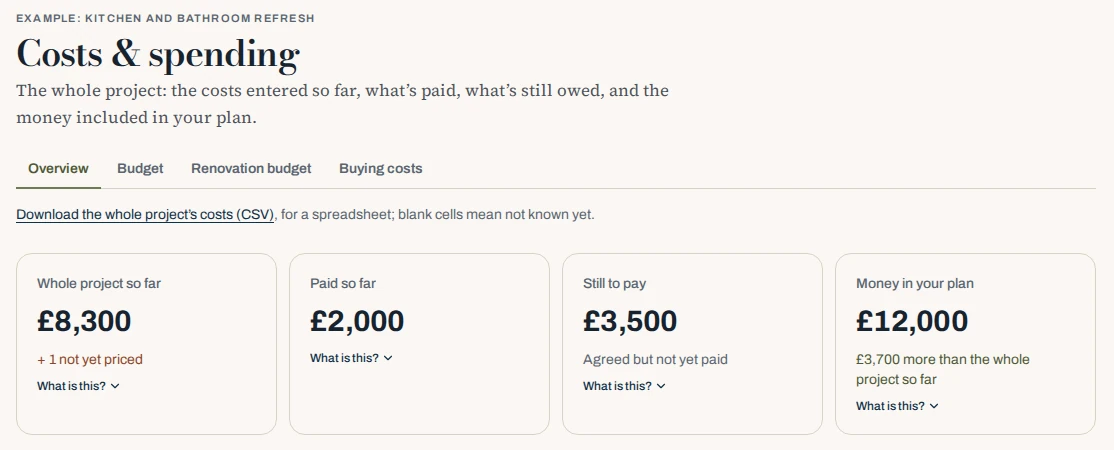
Mekozo's Costs & spending view adds the buying costs and the work the house needs to one total, with what is not yet priced flagged, so you can see your real total before you make an offer.
Try it free for 30 days, no card neededYour maximum is the most you will pay before walking away. Set it before you speak to the agent, from your total budget rather than the asking price:
| Line | What goes in it |
|---|---|
| Total budget | All the money available for buying, moving and the work |
| Less: buying costs | Tax, legal fees, survey, agent fees where the buyer pays, registration |
| Less: moving costs | Removals, overlap of bills, storage |
| Less: essential work | Work the house needs to be safe, dry and usable, from quotes where possible |
| Less: contingency | A separate allowance for what the survey and opening up reveal |
| Equals: the most you can pay for the house | Your walk-away figure |
Then compare that figure with the evidence. If sold prices suggest the house is worth less than your maximum, that is your ceiling. If it is worth more, your maximum still stands: paying more means less for the work, or borrowing from the contingency.
Our list of the costs of buying a house covers every buying cost, including the hidden ones. Keep those costs separate from the price, so a higher offer shows its real effect on the total.
A house that needs work is worth what it is worth in its current condition, not once it is finished. The offer has to leave room for the work, the risk and the time it takes.
With an older house, price the roof, structure, damp and services before anything cosmetic, as our guide to renovating an old house explains, and be sure you want a house that needs this much work before you offer; our guide to buying a fixer-upper sets out the questions to ask.
Tip
The work you would like to do and the work the house needs are different lists. Base your offer on the work it needs. The extension, the new kitchen and the garden room are your choices, not the seller's problem.
The HomeOwners Alliance suggests telling the estate agent and confirming in writing. Include:
Ask the agent to confirm the offer has been passed to the seller. If your offer is accepted, ask for that in writing and ask whether the property will be taken off the market. Our buying a house checklist takes you through every step from offer to keys.
How offers work, and when they become binding, differs between countries. These are the main differences; check the official guidance where you are buying.
In England and Wales
Citizens Advice says a written offer is always made subject to contract. Either side can still withdraw until contracts are exchanged, which is also why a buyer can ask to renegotiate after the survey. Sold prices can be searched on GOV.UK.
In Scotland
Citizens Advice Scotland says an offer should include a brief description of the home, the price and your preferred date of entry, and it is made through a solicitor. Once a binding contract (the missives) is agreed between the solicitors, neither side can withdraw or change the terms without the other's agreement.
Elsewhere
In some countries an early offer, a reservation or a deposit can bind you sooner than in England. Before you sign or pay anything, ask an independent local professional what you are committing to. Our guide to buying a house in Spain covers one example.
On the Operation Sicily villa
From the villa in Sicily. Before buying his villa in western Sicily, Jonathan Smith, Mekozo's founder, viewed about 50 properties over three months and walked away from two deals when the documents and plans revealed problems (Episode 8). The villa he bought had been advertised at €100,000 and had been on the market for five years. He paid €21,500, as he explains on Operation Sicily, where he films the renovation, with €1,500 for the notary, €1,500 for the estate agent and €4,500 in taxes on top: €29,000 in all (Episode 9). The gap between the asking price and the price paid shows how little an asking price can tell you about a house that has sat unsold and needs everything doing. His cost breakdown is clear that the purchase price was the starting point, not the project budget, which is why the cost of the work belongs in the offer from the start.
Playing loads YouTube’s external player.
Watch directly on YouTube ↗For the wider journey, see our guide to buying a home, step by step and how long it takes to buy a house. Mekozo lets you compare properties against the full cost before you test a price; see how to build a whole-project budget that includes every buying cost and the work.
This guide explains a method for deciding an offer. It is not legal, financial or valuation advice; check the rules where you are buying and take independent advice before you commit.
There is no fixed percentage. Base your offer on sold prices for similar homes nearby, the property's condition, how long it has been for sale and how much demand there is. The HomeOwners Alliance says an opening offer 5% to 10% below the asking price may be reasonable in a buyer-friendly market, but some homes justify an offer close to the asking price.
Work out what the house is worth in its current condition, not what it will be worth once finished. Price the work from a survey and written quotes, add a contingency and the costs of buying, and compare the total with sold prices of similar finished homes. Check whether the asking price already reflects the work before you deduct it.
No. The HomeOwners Alliance quotes a former RICS Residential Chair who calls the asking price an aspirational starting price that does not necessarily reflect what a property is worth. A low offer works better when you explain it with evidence, such as recent sales or the cost of work; a very low offer without evidence can put the seller off.
Tell the estate agent, then confirm it in writing by email with the amount, your buying position, your timescale and any conditions. Ask the agent to confirm the offer has been passed to the seller. Keep a copy, and note any conditions such as a satisfactory survey.
In England and Wales an accepted offer is not binding until contracts are exchanged, so you can ask to renegotiate if the survey finds something you did not know about. Back the request with the survey findings and quotes for the work. The seller can refuse, so decide in advance what you will do if they do.
Not in England and Wales: Citizens Advice says a written offer is always made subject to contract, and the sale becomes binding at exchange. In Scotland the offer is made through a solicitor and becomes binding once missives are concluded. Other countries differ, and in some an early offer or deposit can be binding, so check before you sign anything.
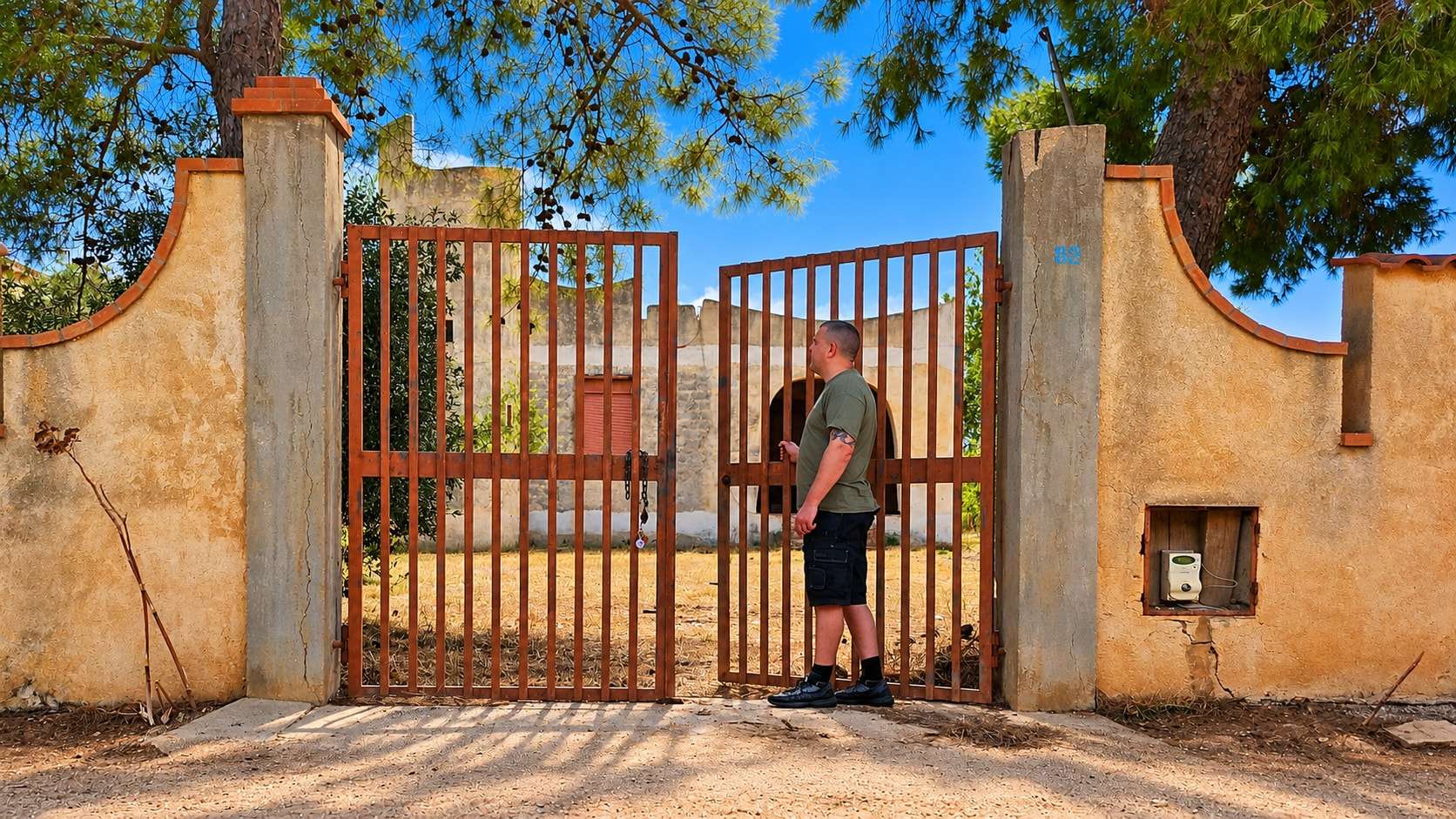
Jonathan Smith is the founder of Mekozo and Operation Sicily. Jonathan bought an abandoned villa in Sicily and is rebuilding it on camera, every week. Mekozo is the app Jonathan built to keep that renovation's money in one picture.
Real renovation experience and regional guidance from Operation Sicily.
Every cost of buying a house, from tax and legal fees to the hidden ones after you move in, and how to keep them in one list.
The steps to buying a house, in order, with a checklist for each: getting ready, the offer, the legal work, the survey, exchange, completion and the first weeks after you get the keys.
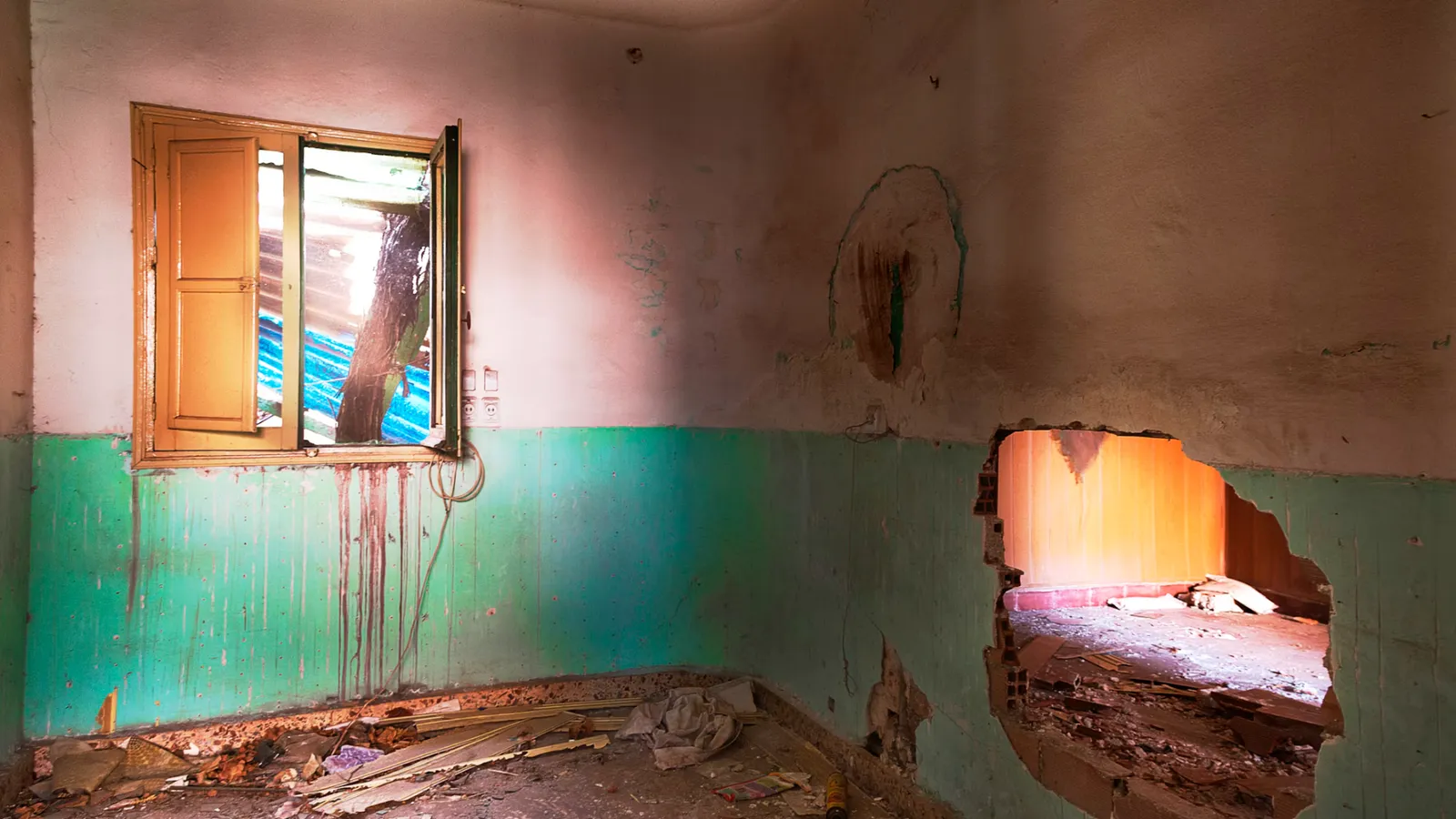
A house that needs work is only a bargain if the price reflects the work. A step-by-step method to price a fixer-upper before you offer, what to check first and how to decide whether to buy, renovate or walk away.
Budgets, quotes, payments, documents and decisions in one place
30 days free. No card needed.
Monthly, with no annual plan. The Terms of membership set out the details.