Snagging list: what to check before the final payment
A snagging list (a punch list) records every defect left at the end of a job. How to write one room by room, agree it with your builder and close it before the last payment.
A snagging list (a punch list in the US and Canada) is a written list of every defect and unfinished item left at the end of building work.
Inspect when the builder says the job is finished, in daylight, with the rooms empty, and before the final payment.
Write one problem per line: the room and exact spot, the problem, a photo, the trade responsible, a fix-by date and a status.
A snag is the builder's to fix at no cost; a change you ask for is an extra with its own price.
Tie the final payment to the agreed snagging list being closed, and collect certificates, guarantees and manuals as part of finishing.
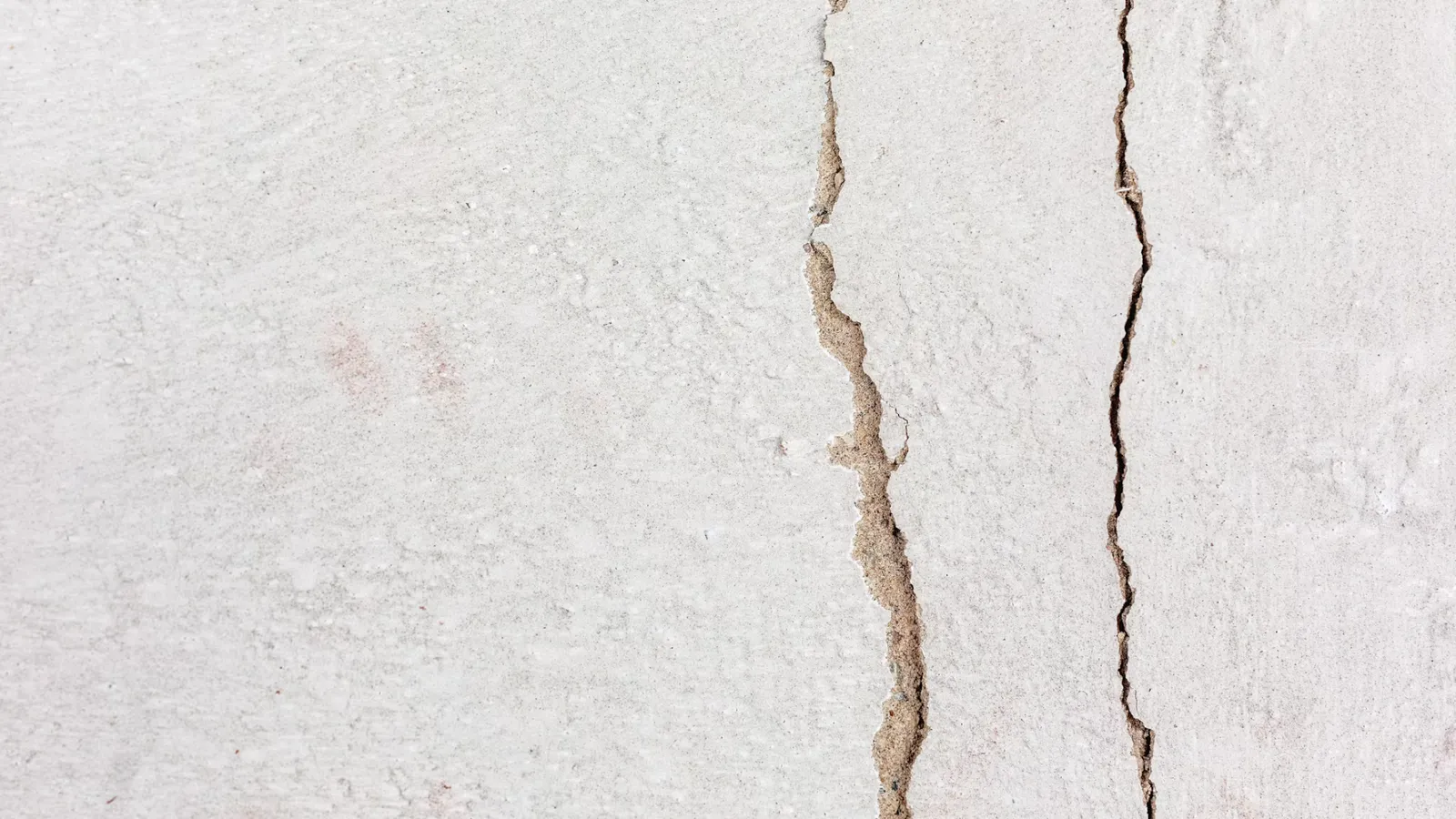
A snagging list is a written list of every defect and unfinished item left when building work is "finished": a chipped tile, a door that sticks, a gap in the sealant. Walk the job room by room, write each problem as one line with a photo, agree it with your builder, and pay the final amount once it is closed.
In the US and Canada the same document is called a punch list.
This guide shows you what to check, how to write each item so it actually gets fixed, and how to tie the list to your last payment.
What a snagging list is for
A snagging list does three jobs:
It turns "not quite right" into specific items. "The bathroom is a bit rough" cannot be fixed. "Bathroom: grout missing behind the basin tap, left side" can.
It gives you and the builder one shared list. Everyone works from the same items, with the same photos.
It sets the finish line for payment. When every agreed item is ticked, the job is done and the last payment is due.
It is not a list of new ideas. If you decide you now want an extra socket or a different tile, that is a change, not a snag, and it needs its own price, as our guide to variations and extras explains.
Snag (builder fixes it)
Change (you agree a new price)
Tile cracked during fitting
Swapping to a different tile
Door rubs on the new floor
Adding a door that was not in the scope
Sealant missing round the bath
Upgrading the bath
Socket not working
An extra socket added after the job was priced
When to do your snagging inspection
Do it when the builder tells you the work is complete, before you make the final payment, and ideally before you fill the rooms with furniture.
Choose daylight. Marks, shadows and uneven paint are easier to see.
Empty and clean the rooms. Dust hides scratches; boxes hide floors.
Allow time. Rushing round with the builder waiting is how items get missed.
Take a second pair of eyes. Someone who has not lived with the job notices different things.
In the UK (new-build homes in England)
The New Homes Quality Code gives buyers the opportunity of a pre-completion inspection, and the New Homes Quality Board publishes a standard checklist for it (Version 2, March 2026). It says internal walls, ceilings, paintwork and sealant should be inspected in daylight from at least 2 metres away without shining a light on the surface, and kitchen and bathroom units and fitted furniture from 0.5 metres. If you find problems in the first two years after moving in, Which? explains that you contact your builder to get them fixed, and that the New Homes Ombudsman Service can order remedial work or compensation if a registered developer does not resolve them.
Tip
Inspecting from a fixed distance is fairer to both sides. Almost any wall shows something with a torch held flat against it; the question is whether it looks right at normal viewing distance.
Snagging list: what to check, room by room
Work in the same order in every room: ceiling, walls, windows, doors, floor, fittings, services. Use this as the basis of your snagging list.
Every room
Ceilings and walls: cracks, bumps, visible joints, popped screw heads
Paint: even coverage, no runs or brush marks, no splashes on switches, sockets or glass
Windows: open, close and lock smoothly; glass free of obvious scratches; seals and trims complete
Doors: open and close without catching; even gaps; handles and locks work; no damage
Floors: flat, no creaks or lifting; tiles and boards square to the walls; thresholds fitted
Skirting and architrave: joints tight, nail holes filled, painted
Sockets and switches: straight, secure, all working
Lights: every fitting works on the right switch
Radiators and heating: secure, no leaks, heat up evenly
Tidy: rubbish, offcuts and protective film removed
Kitchen
Cupboard and drawer fronts aligned, opening fully, soft-close working
Worktop joints tight and sealed; no chips at edges or cut-outs
Sealant continuous along worktop and splashback
Taps run hot and cold; no drips under the sink after a few minutes of running
Every appliance switches on and does its job; extractor vents where it should
Plinths and end panels fitted
Bathroom
Grout complete and even; tiles level, with no cracks or sharp edges
Sealant continuous round bath, shower tray and basin
Shower: temperature and flow work; water drains away and does not pool
Toilet flushes and refills; no movement in the pan
Extractor fan works
No leaks: look under the basin and bath panel, and check the ceiling below
Outside
Gutters and downpipes fixed and connected
Paths, patios and steps finished and draining
Window and door frames sealed outside
Scaffolding marks, rubble and materials cleared
Watch out
Some items cannot be judged by looking. If work needed building regulations approval, such as a new bathroom involving plumbing, electrics near a bath or shower, or replacement windows (GOV.UK), ask for the completion certificate or the competent person scheme certificate as an item on the list. GOV.UK notes that without approval you will not have the certificates you may need when you sell.
How to write each snag so it gets fixed
A good snag line answers five questions: where, what, who, by when and done or not.
#
Room and exact spot
Problem
Photo
Trade
Fix by
Status
1
Bathroom, behind basin tap, left
Grout missing
Yes
Tiler
12 Dec
Open
2
Kitchen, drawer under hob
Front sits 3 mm proud of the next
Yes
Kitchen fitter
12 Dec
Open
3
Bedroom 2, door
Catches on new floor when closing
Yes
Carpenter
12 Dec
Fixed, checked
4
Landing
Paint splash on light switch
Yes
Decorator
12 Dec
Open
Rules that keep the list useful:
One problem per line. Two problems on one line means one gets forgotten.
Be exact about the spot. "Left of the window, about head height" saves a hunt.
Photograph every item. Take it wide enough to show where it is, then close up.
Name the trade. On a job with several trades, unclear ownership is how snags linger.
Close items only when you have checked them. "Fixed" from the builder becomes "fixed, checked" from you.
What a snagging app should do
Paper and a camera are enough for a one-room job. On a bigger job, with several trades and dozens of items, a snagging app or a shared spreadsheet keeps the list in one place. Whatever you use, it should do these jobs:
Record each item against a room and a spot, so nobody has to hunt for it.
Attach photos to the item, a wide one and a close-up, taken on your phone as you walk round.
Name the trade responsible, so each item has one owner.
Hold a fix-by date and a status: open, fixed by the builder, then checked and closed by you.
Separate snags from changes, because a change carries its own price.
Share the list with the builder, so both sides work from the same items and photos.
Sit next to the money: the agreed price, the changes, what has been paid and what is left.
Keep the handover paperwork with the job: certificates, guarantees and manuals.
Tip
Test whatever you choose on one room before the real inspection. If adding an item with a photo takes more than a few seconds, you will stop doing it halfway round the house.
Mekozo is not a dedicated snagging app, but it covers the jobs around the list: photos by room, contractors and their quotes, progress tracking, expenses and payments, and handover records, all in one project.
How to agree the list with your builder
Mekozo's Property Record keeps each finished job with its room, what it cost, what is paid and the documents connected to it, so the handover paperwork is in one place.
Walk the list with the builder or site manager, item by item. Expect some discussion: a few items may turn out to be normal for the material, and a few may be changes rather than snags. Settle each one there and then.
Agree each item. Mark it as a snag, a change, or not an issue.
Agree dates. One date for the whole list is fine for a small job; a date per trade works better on a large one.
Put it in writing. Send the agreed list by email the same day, with photos, and ask for confirmation.
Re-inspect. Walk the list again when the builder says it is done, and tick only what you have checked.
Keep a second list for later. Some snags only show up with use, such as a slow drain or a crack as plaster dries. Note them as they appear.
In the UK (England)
If a trader does not fix a problem, Citizens Advice says they should fix it within a reasonable amount of time without causing you too much inconvenience. The law does not say what reasonable means, so you agree it between you. If they cannot or will not fix it, you can ask for a partial or full refund depending on how serious the problem is, and once you have agreed an amount, the refund should come within 14 days. Rules differ in Scotland, Wales and Northern Ireland, and in other countries.
Snagging and the final payment
The snagging list is what makes the last payment fair to both sides. The builder knows exactly what stands between them and being paid; you know exactly what you are paying for.
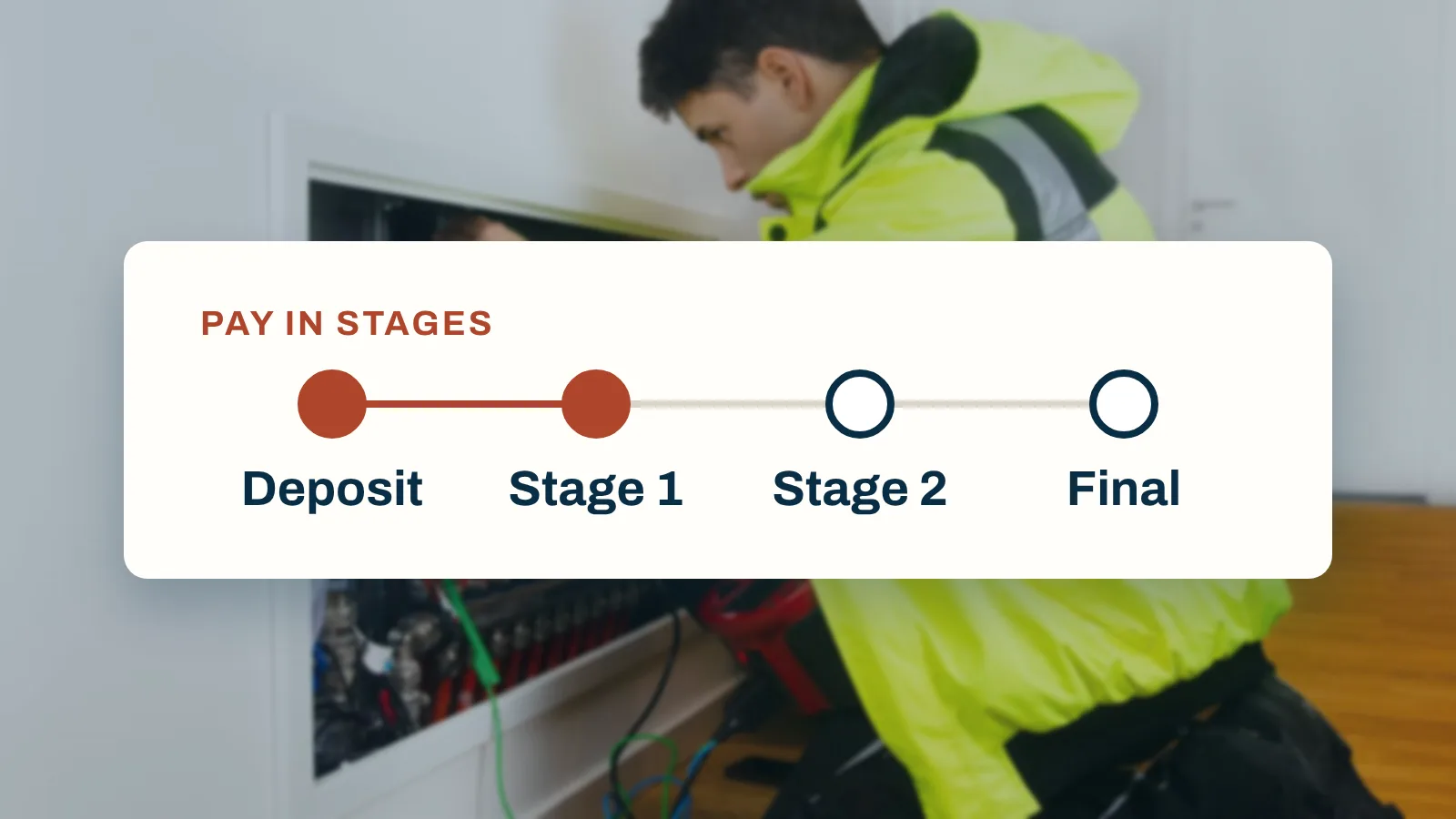
Set it up at the start.Citizens Advice suggests paying in stages and being clear about the points in the work when payments are due. Write "on completion of the agreed snagging list" against the final payment in the contract.
Keep the amount proportionate. The final payment should be large enough to matter and small enough to be fair for what is left.
Separate snags from changes. Extras you asked for are owed when they are done; they are not a reason to hold back money for snags, and snags are not a reason to dispute extras.
Check the paperwork is in. Certificates, guarantees and manuals are part of finishing, so list them, then keep them in one home file with your other house documents for when you sell.
Tip
Before you pay, set the totals side by side: the agreed price plus agreed changes, what you have already paid, and what is left. If those three do not add up, find out why before any more money goes.
From the villa in Sicily. When the kitchen was fitted at the villa Mekozo's founder, Jonathan Smith, is renovating, the reveal was not quite the end: the tap still needed fitting and the trap under the sink had to go on, as he shows in Episode 92 of Operation Sicily. Two small jobs, but exactly the kind of items that belong on a written list so they do not drift. The window installation worked the same way: every window and door went in except the bathroom window, which had to wait for the wall tiles, with the installers coming back in a few weeks to fit it (Episode 88). Some checks also have to happen before the finish hides them. Jonathan flushed the new bathroom pipework and held it under pressure before filling the chases with mortar (Episode 79). His practical guide to renovating a house in Sicily covers how each stage is approached.
This guide explains a practical method. It is not legal advice; for a dispute, check the rules where you live and speak to an adviser.
Questions people ask
What is a snagging list?
A snagging list is a written list of defects and unfinished items found at the end of building work, such as cracked tiles, missing sealant or a door that sticks. In the US and Canada it is called a punch list. Each item names the room, the problem, who will fix it and by when, so you and the builder are working from the same list.
When should you do a snagging inspection?
Do it when the builder says the work is finished and before you make the final payment. Inspect in daylight, with the rooms empty and clean, so marks and gaps are easy to see. For a new-build home in England, the New Homes Quality Code gives buyers the opportunity of a pre-completion inspection.
What should be on a snagging list?
Check walls and ceilings, paintwork, floors, doors and windows, kitchen and bathroom fittings, sealant, taps and drains, electrics and heating, and the outside. Write each problem as one line with a photo, rather than a general complaint, so each one can be fixed and ticked off.
Should I pay the builder before snagging is finished?
Agree in your contract when each payment is due, and tie the last one to the snagging list being closed. Citizens Advice suggests paying in stages and being clear about the points in the work when payments are due. Keeping the final payment until the agreed snags are done gives both sides a clear finish line.
How long does a builder have to fix snags?
For work done under a consumer contract in England, Citizens Advice says the trader should fix a problem within a reasonable amount of time without causing too much inconvenience. The law does not define reasonable, so agree a date for each item in writing. For a new-build home, Which? says problems found in the first two years go back to the builder.
Is there an app for a snagging list?
Yes. A snagging app, or a shared spreadsheet on a small job, works as long as every item records the room and spot, the problem, a photo, the trade, a fix-by date and a status that only you can close. It should be easy to use on a phone while you walk the rooms, and easy to share with the builder.
Jonathan Smith is the founder of Mekozo and Operation Sicily. Jonathan bought an abandoned villa in Sicily and is rebuilding it on camera, every week. Mekozo is the app Jonathan built to keep that renovation's money in one picture.
A good payment schedule keeps your money roughly level with the work done. How to set the deposit, the stages and the final payment, how to pay safely, and what to record each time.
Before and after photos are more than a reveal. How to take matching shots room by room, what to record while the walls are open, and how the photos help with snags, neighbours, claims and a sale.
A written agreement with your builder does not need legal language. It needs the work, the price, the dates, the payments, how changes are handled and what happens at the end. Here is what to put in it.