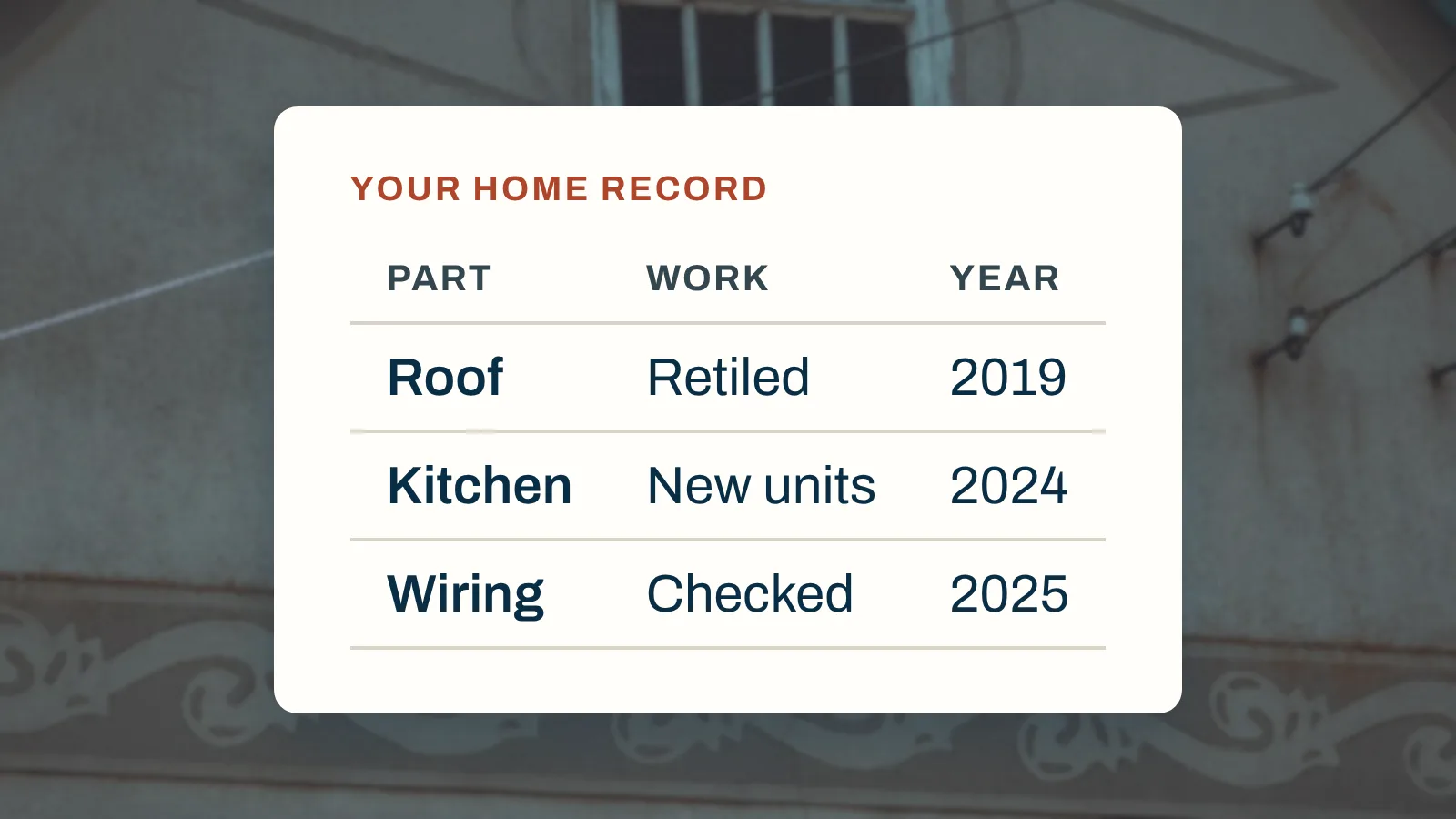
A home file is one organised place for a house's important papers: ownership documents, certificates, warranties, manuals, receipts and a record of work done.
Organise it by room and by system, such as heating, electrics, roof and plumbing, rather than by date.
For each piece of work, record what was done, by whom, when and for how much.
Start with expensive installed items and the documents a buyer's solicitor will ask for when you sell.
Spend five minutes updating it after every repair, service, new appliance or renewal.
A home file, sometimes called a home binder, is one organised place for your house's important papers: ownership documents, certificates, warranties, manuals, receipts and a record of work done, by whom, when and for how much. Organise it by room and by system rather than by date, so the boiler's warranty takes seconds to find. Then add to it whenever work is done.
You do not need to catalogue every object in the house. A useful home file answers the questions that come up in real life: who fitted this, is it still under guarantee, where is the manual, and do we have the certificate the buyer's solicitor is asking for?
Why a home file is worth an afternoon
The value shows up at three moments.
When something breaks. The model number, installer and warranty are already together. You make one call instead of searching emails from three years ago.
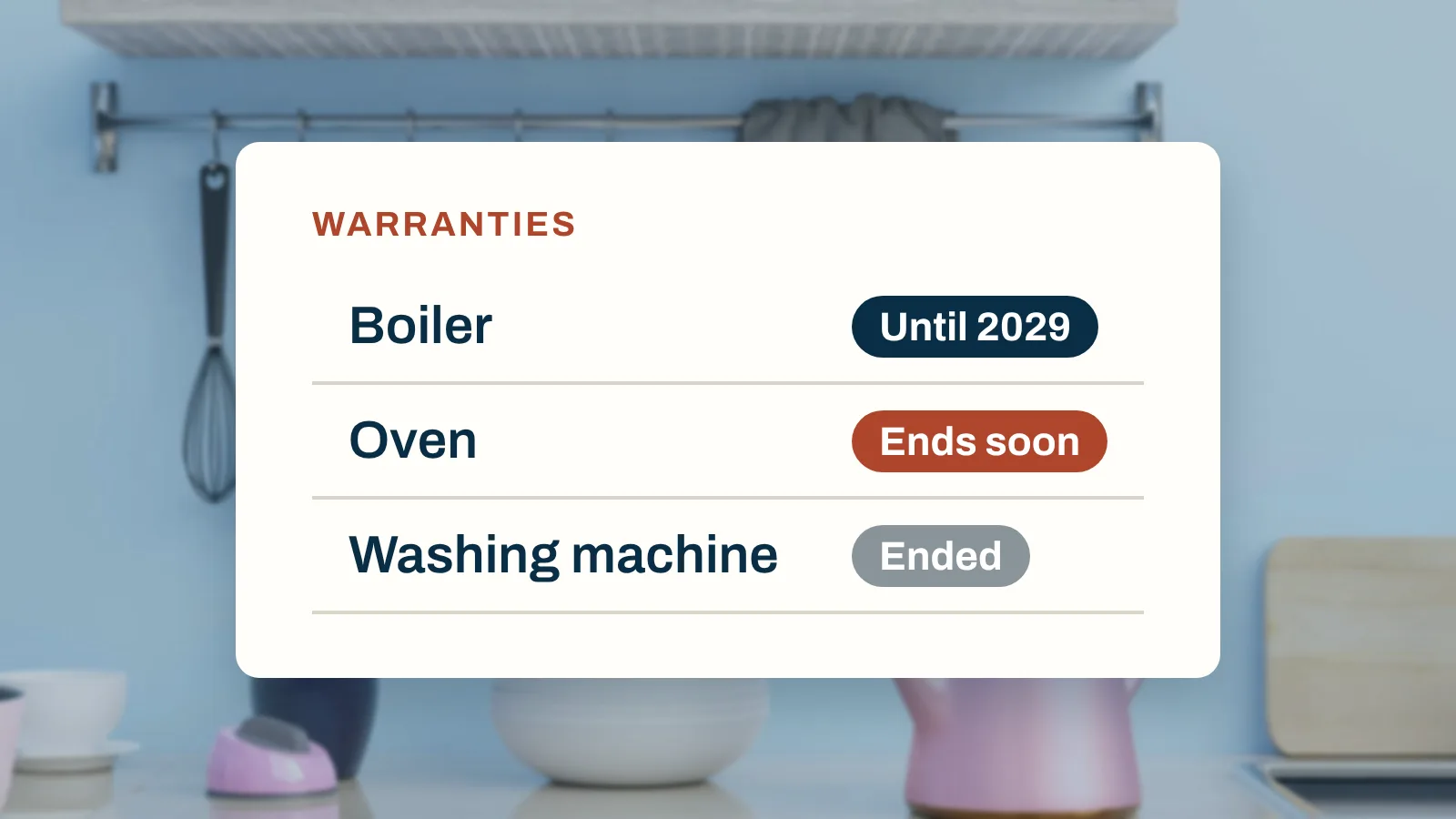
When you claim. Citizens Advice says that to claim on a warranty or guarantee you will usually need proof of purchase, details of the problem and a copy of the warranty. It also notes you have legal rights for up to 6 years (5 in Scotland) if goods are faulty.
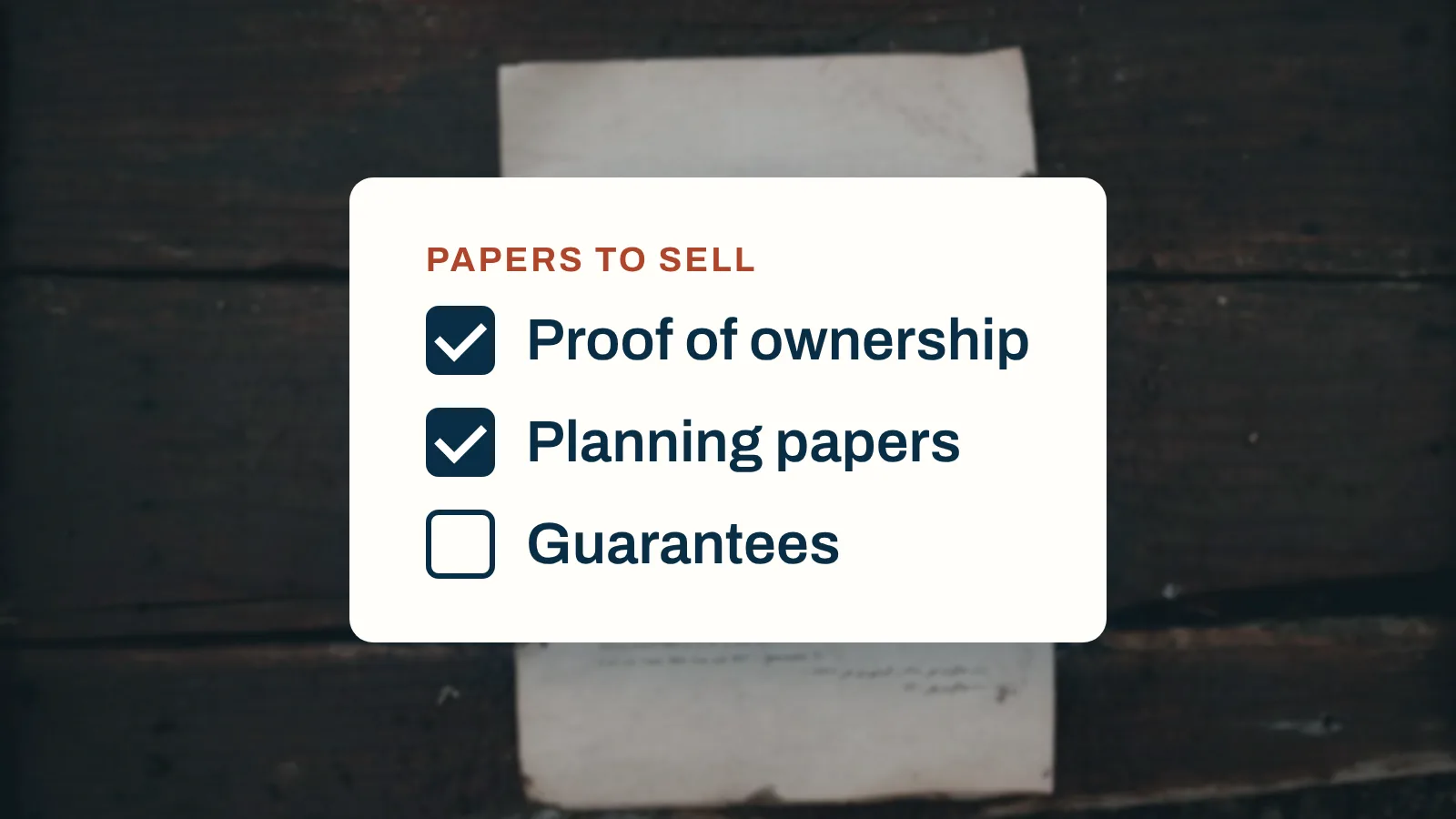
When you sell or remortgage. Buyers' conveyancers ask for certificates and guarantees for past work. GOV.UK warns that without building regulations approval you will not have the certificates of compliance you may need when you sell (Building regulations approval).
What to keep in a home file
Section
What goes in it
Ownership and purchase
Completion statement, contract and transfer papers from your conveyancer, survey, property information from the seller
Certificates and approvals
Building control completion certificates, competent person certificates, planning permissions, gas and electrical certificates
Energy
Energy Performance Certificate, meter details, supplier accounts
Manuals, model and serial numbers, warranties, receipts
Work done
What was done, by whom, when, for how much, with quotes, invoices and guarantees
Insurance
Buildings and contents policies, renewal dates, past claims
Contacts
Trades and suppliers you would use again, and any you would not
Plans and ideas
Future projects, rough estimates, questions to ask
In the UK
In England and Wales you can get copies of the title register and title plan from HM Land Registry by searching the register, so you do not need to worry if the paper deeds have gone missing. An Energy Performance Certificate is valid for 10 years, according to GOV.UK; note its expiry date in your home file.
Documents to keep when you buy a house
The weeks after completion are the easiest time to start, because the papers are all arriving at once. Keep:
The completion statement showing what you paid and to whom
Contract, transfer and any lease documents from your conveyancer
Your survey report
The Energy Performance Certificate
Property information and fixtures lists provided by the seller
Certificates, guarantees and approvals for past work, such as windows, extensions, rewiring or damp treatment
Manuals and warranties for the boiler and any appliances left behind
Meter readings on the day you moved in
Tip
If the seller's paperwork mentions work for which you did not receive a certificate or guarantee, note it in the home file as an open question. It is easier to chase while the sale is fresh than when you come to sell.
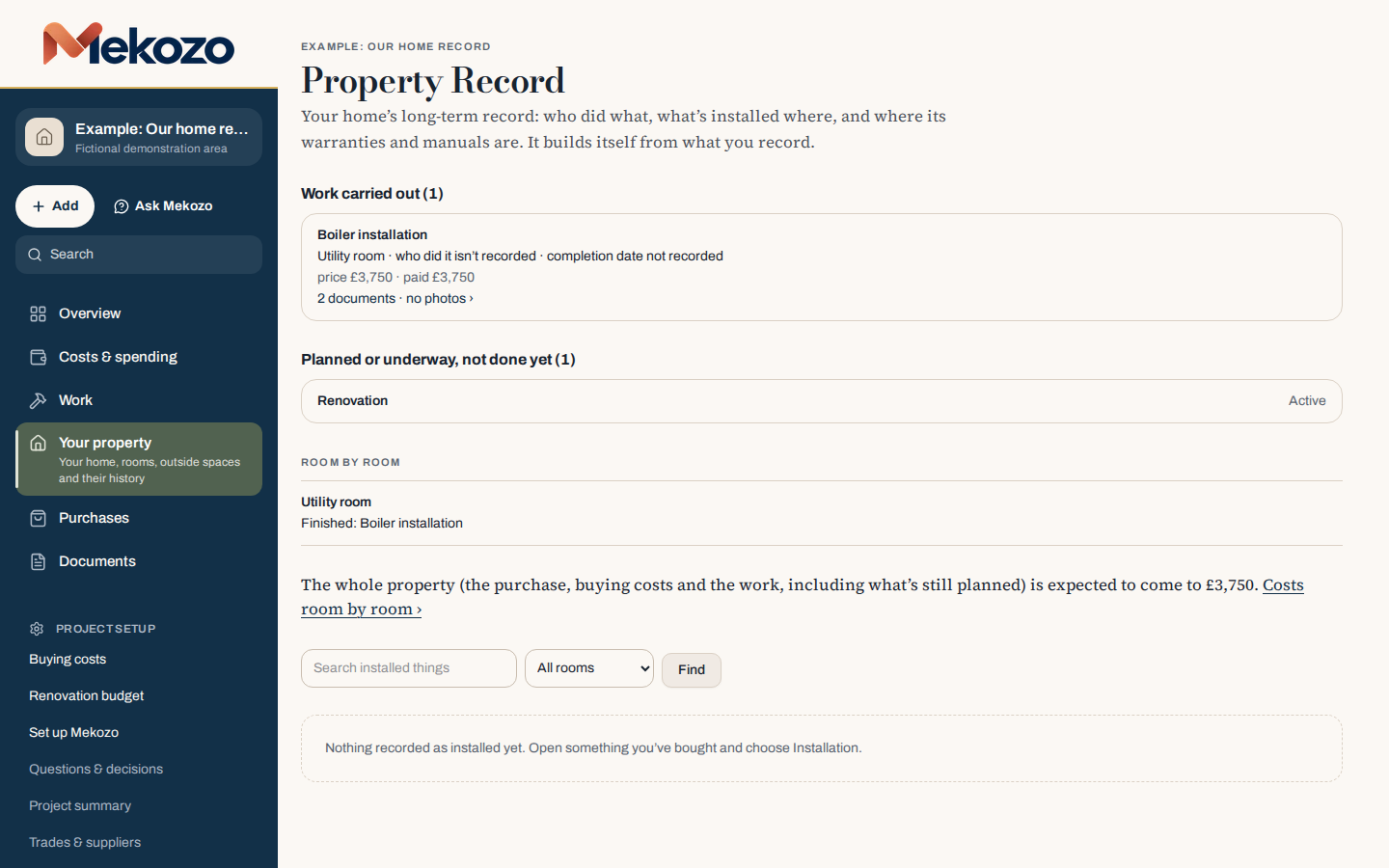
Mekozo's Property Record shows the work carried out in your home, with the room, what it cost and the documents connected to it, and lets you search what is installed where.
The best structure is the one that matches how you will look things up. Most people search by "what broke", not by date, so organise around the house itself.
By room. Kitchen, bathroom, bedrooms, loft, garden. Put appliances and fitted items with the room they are in.
By system. Heating, electrics, plumbing, drainage, roof. These run through the whole house, so give them their own sections.
Name files for what they are. "Boiler warranty, fitted March 2026" is easier to find than "Scan 0412".
Keep the job together. For each piece of work, keep the quote, the agreed price, invoices, receipts, guarantee and photos as one record. An invoice is the bill for agreed work; record it, then the payment against it.
Record the essentials for every item. What it is, where it is, who installed it, when, what it cost, how long the guarantee runs, and when it needs servicing.
Start small
Do not try to do it all in one go. Begin with the items that would be most expensive or disruptive to replace:
the boiler or heat pump
the roof
the windows
the kitchen
the electrics
For each, gather the manual, warranty and installer details. The next time something needs attention, the first step is already done.
Paper or digital?
Both work if you keep them up to date. A practical mix:
Scan everything so it can be searched, shared with a partner and kept safe if the originals are lost.
Keep a small folder of originals that you may need to show, such as certificates and guarantees.
Photograph labels. A photo of the boiler's data plate or an appliance's serial number is often all you need for a repair or a claim.
Share access. If you own the home with someone, make sure you can both find things without asking each other.
Keep it up to date: the five-minute habit
A home file is only useful if it reflects the house as it is now. Each time something happens, spend five minutes:
New work: add the record with the quote, invoice, guarantee and certificate. At the end of a building job, the snagging list is a good moment to collect them.
A repair: note the date, the problem, who fixed it and the cost.
A service: record the date and when the next one is due.
A new appliance: add the receipt, manual and warranty.
A renewal: update insurance and service contract dates.
Over a few years this becomes a full history of your home. It also feeds your maintenance plan: our home maintenance checklist and guide to budgeting for home maintenance both work better when you know the age of every major item.
What to hand over when you sell
When you sell, a well-kept home file saves time and questions. Buyers' conveyancers commonly ask about past work, certificates and guarantees, and a buyer's surveyor may raise questions about alterations. With a home file, you can answer from your records rather than from memory.
Before you put the house on the market, check you can find:
Certificates and approvals for every extension, loft conversion, window replacement and electrical or heating job
Guarantees that can be passed to a new owner, and the terms for doing so
A current Energy Performance Certificate
Manuals for the boiler and anything included in the sale
A short list of what was done to the house and when
Tip
Citizens Advice suggests checking whether a guarantee for building work is personal to you or can be passed to future owners. Note which is which in your home file; a transferable guarantee is worth telling a buyer about.
Keep future ideas apart from work underway
A home file is also a good place for ideas: the extension you might build, the bathroom you want to redo. Keep these as ideas, not commitments. When you are ready to investigate one, write a scope and estimate before it becomes active work. Our guide to writing a scope of works shows how.
On the Operation Sicily villa
From the villa in Sicily. The paperwork for the villa that Mekozo's founder, Jonathan Smith, films for Operation Sicily shows why the documents matter as much as the rooms. He explains that the villa was originally built without permits and is about 110 square metres, while in rural Trapani typically only 3% of a plot can be developed, which limits most builds to around 30 square metres. It became legal through a series of Sicilian building amnesties, the first major law coming in 1985, and that was all sorted long before he bought it (Episode 11). His renovation then began with more paperwork: one SCIA, filed through a geometra, covering an outbuilding for the well pumps, a staircase to the roof terrace, a patio, new windows and all the electrical work. Every one of those approvals, and the manuals for the new kitchen's built-in oven, microwave, fridge-freezer, washing machine and gas hob (Episode 92), belongs in the villa's record. For buyers in Italy, his buying a house in Sicily checklist lists the documents he asked for.
This guide explains a way to organise household paperwork. It is not legal advice; your solicitor or conveyancer will tell you which documents your own purchase or sale needs.
Questions people ask
What is a home file?
A home file is one organised place, on paper or digital, for your house's important documents: ownership papers, certificates, warranties, manuals, receipts and a record of work done. It means the next repair, claim or sale starts with the information already to hand.
What should be in a home file?
Keep ownership and purchase papers, certificates for building work, gas and electrical work, the energy certificate, warranties and guarantees, manuals for installed items, receipts for work and big purchases, insurance details, and a log of what was done, by whom, when and for how much. Add contacts for the trades you would call again.
What documents should I keep after buying a house?
Keep the completion statement, the contract and transfer documents your conveyancer sends, your survey, the energy certificate, any certificates, guarantees and planning or building control documents for past work, and the property information the seller provided. These are often asked for again when you remortgage, claim or sell.
How long should I keep receipts for home improvements?
Keep receipts for improvements for as long as you own the home. In the UK, Citizens Advice says you have legal rights for up to 6 years (5 in Scotland) if goods are faulty, and you usually need proof of purchase to claim.
Should a home file be digital or paper?
Either works if it is kept up to date. Digital is easier to search, share with a partner and keep safe if originals are lost; paper is handy for manuals and originals you may need to show. Many households scan everything and keep the few originals that matter in one folder.
Jonathan Smith is the founder of Mekozo and Operation Sicily. Jonathan bought an abandoned villa in Sicily and is rebuilding it on camera, every week. Mekozo is the app Jonathan built to keep that renovation's money in one picture.
How to find a lost appliance manual, what to keep for a warranty claim, and a simple way to file every manual and warranty with the item it covers, so the next breakdown starts with the paperwork to hand.
The documents you need to sell a house, from proof of ownership and the energy certificate to the certificates, guarantees and records of work that answer a buyer's questions, with country rules in labelled boxes.
A home maintenance log is the dated record of every check, service and repair your home has had. What to record for each job, a layout to copy, and why buyers, their solicitors and warranties all care about it.